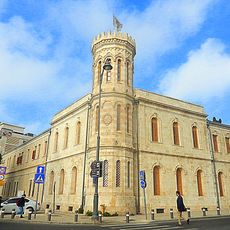
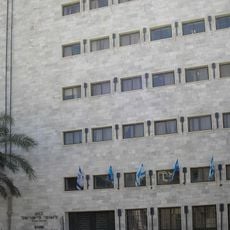
Russian Compound in Jerusalem, Orthodox compound in central Jerusalem, Israel
The Russian Compound is an Orthodox complex in central Jerusalem with several stone buildings spread across a wide area. The Holy Trinity Cathedral stands alongside former mission structures and administrative buildings that now serve different purposes.
Russian pilgrims began arriving in large numbers to Jerusalem in the 1860s, and the site was established to accommodate and support them. The complex lost its original function after World War I when the pilgrim movement stopped and British authorities took over parts of it.
The compound's name shifted from "New Jerusalem" to the Russian Compound (al-Muskubiya in Arabic) only around 1890, after building spread outside the walls. The Holy Trinity Cathedral's bells were among the first allowed to ring in Jerusalem after centuries of Ottoman restriction, and the Russians won a special permit keeping the city gates open at night for pilgrims staying here.
Access to the cathedral is possible, while other parts of the site function as government offices and are not always open to visitors. Those wishing to explore the religious section should wear respectful clothing and be mindful of ongoing services.
The hill was a military position long before the compound: the sources record an Assyrian garrison force there around 700 BC and Roman troops under Titus in 70 AD. In 1944 the Irgun blew up the men's hostel, then housing the British intelligence and police, in a coordinated attack that killed a British policeman and one Irgun fighter.
The community of curious travelers
AroundUs brings together thousands of curated places, local tips, and hidden gems, enriched daily by 92,791 contributors worldwide.