Museum of Underground Prisoners, Heritage site and museum in Jerusalem, Israel.
The Museum of Underground Prisoners is a memorial site in Jerusalem that documents the experiences of political detainees during the British Mandate period. The building preserves original prison cells alongside photographs, documents, and personal possessions that detail the lives of these resistance members.
The building served as a detention facility during British rule and was later transformed into a museum to preserve this chapter of resistance. The conversion into a memorial space formalized the documentation of those whose actions contributed to independence.
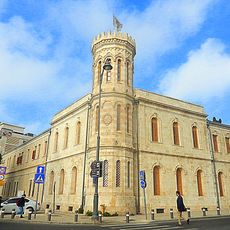
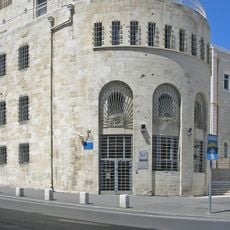
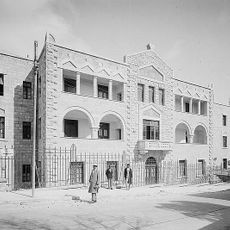
The Russian inscription "Marianskya women's hostel" above the entrance recalls the building's original use as a pilgrim hostel. In the cells, prisoners left carvings on floor tiles and window sills: names, Stars of David and symbols of political movements. Cell 23 in the northern wing is where 12 Irgun and Lehi members escaped in February 1948 through a tunnel they dug to the sewage system.
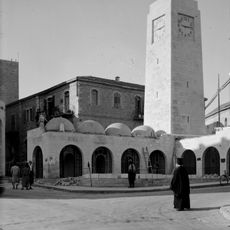
The museum occupies the former women's hostel of the Russian Compound, outside the Old City, on Mish'ol HaGvura Street near the Ben-Yehuda and King George streets. Visitors move through long corridors into reconstructed cells, workshops and the clinic, so allow time for several rooms. The building is a preserved structure under the Council for Conservation of Heritage Sites.
Cell 23 in the northern wing was the scene of a February 1948 escape: twelve Irgun and Lehi prisoners dug a tunnel that connected to the sewer system outside the building. Visitors can still see inscriptions scratched into the floor tiles and window sills, including prisoners' names, Stars of David and symbols of political movements.
The community of curious travelers
AroundUs brings together thousands of curated places, local tips, and hidden gems, enriched daily by 93,144 contributors worldwide.