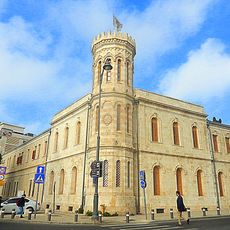
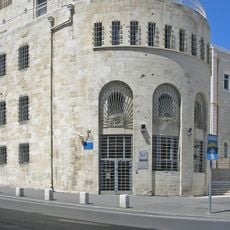
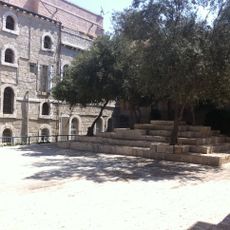
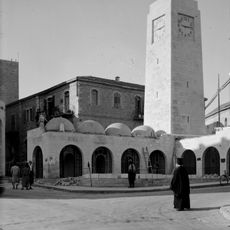
The Third Wall, Ancient defensive fortification in north Jerusalem, Israel.
The Third Wall was the northernmost and latest of the walls that encircled Jerusalem in the Second Temple period. Agrippa I began it in the 40s CE with ashlar blocks in a wall at least 5 meters wide, but work stopped after the foundations were laid. It was completed hastily by the city's leaders and rebels only at the outbreak of the Great Revolt in 66 CE. Remains are visible on HaHoma HaShlishit Street in Musrara and near the Sheikh Jarrah gas station.
Built around 40 CE under King Agrippa I, the wall expanded the city's defensive perimeter during a time of growing tension. It later played a role in the conflicts between Jewish defenders and Roman forces.
The wall represents Jerusalem's determination to defend itself from outside threats. It shows how the city tried to protect its independence and grow beyond its earlier boundaries.
Sections of the wall remain visible in East Jerusalem near modern buildings where you can see the ancient construction clearly. The site spreads across uneven terrain, so wear sturdy shoes and plan time to explore different preserved sections.
The wall's 90 planned towers included some called the "Women's Towers"; the northwest corner held the Psephinos Tower, and the Hippicus Tower stood where the First and Third Walls met. Most towers were never finished before Titus breached the line in 70 CE.
The community of curious travelers
AroundUs brings together thousands of curated places, local tips, and hidden gems, enriched daily by 92,639 contributors worldwide.