Kiryat Seffer Garden, Public garden in Tel Aviv, Israel.
Kiryat Seffer Garden is a 12-dunam public garden in central Tel Aviv, designed by landscape architect Ram Eisenberg and opened in 2013. It has two separate biological water systems: a raised circular water table at the main entrance on Yehuda Halevi Street, and a biological pool system on the eastern side near Saadia Gaon Street. The eastern pool is fed through gravel beds and small waterfalls built from concrete debris collected on site.
The site was part of the Templer colony Sarona's "Klenk lands", bought by the British, who built the Survey Department building there on 1 January 1931. From the 1980s Tel Aviv residents pressed for a park and pool; in 1990 Michal Barzel-Cohen, inspired by London and New York community gardens, joined the campaign. After the police repair workshops left in 2005 the land became a temporary parking lot until a 2011 court ruling cleared the way; the garden, designed by Ram Eisenberg, opened in March 2013.
The garden's name comes from the adjacent Kiryat Sefer street, not from a biblical reference. Weekly protest gatherings during the 2000s campaign featured performances by neighbourhood residents such as Alon Oleartchik, Dovaleh Glickman, Yuval Dor and Tzipi Mor, alongside tree plantings and community picnics.
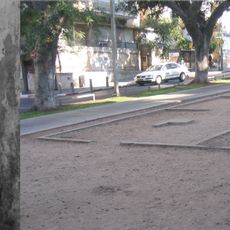
The garden is easy to walk through, with flat and well-laid paths that connect all areas without difficulty. On hot summer days, the shaded spots under the older trees are the most comfortable places to stop.
A water system runs daily from an elevated fountain through designed channels into biological pools, ending in a pond built with recycled materials. This flow is easy to follow on foot and shows how the garden handles water in a way rarely seen in city parks.
The community of curious travelers
AroundUs brings together thousands of curated places, local tips, and hidden gems, enriched daily by 92,641 contributors worldwide.