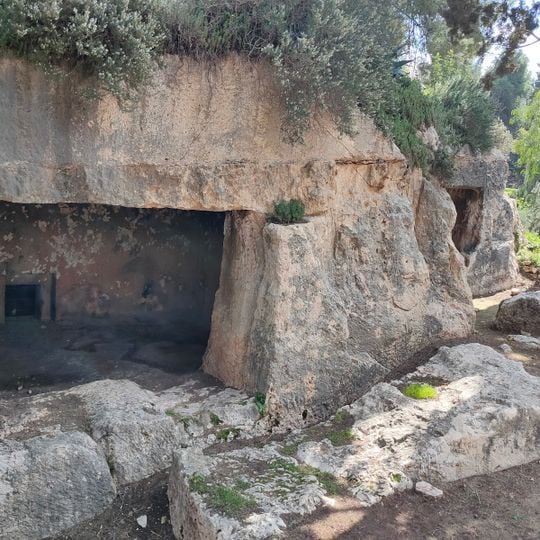
HaSanhedrin Garden, Garden with ancient tombs in Jerusalem, Israel.
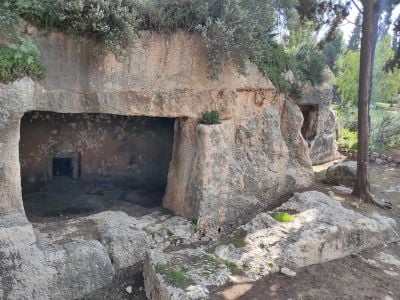
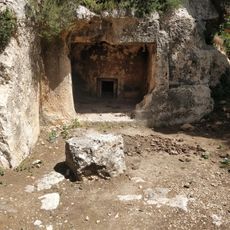
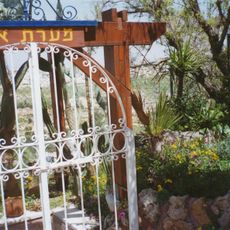
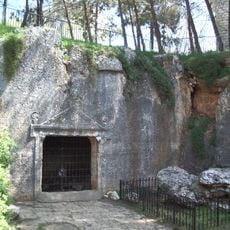
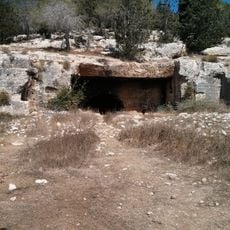
HaSanhedrin Garden is a planted grove of 28 dunams in the Sanhedria neighbourhood of northern Jerusalem, south of Nahal Tzofim. It is dominated by pine and cypress together with large woodland trees such as Judas tree and Mount Tabor oak, and its rocky slopes and rock outcrops carry typical wall vegetation. Dozens of rock-cut burial systems from the Roman period in Palestine are cut into the outcrops; they were mistakenly called the Sanhedrin Tombs and gave the garden its name.
Jerusalem's municipality began laying out the garden in 1949 around the rock-cut tombs known as the Sanhedrin Tombs. In 1958 the Ministry of Religious Affairs bought the tomb cave, then argued with the municipality over its management after it started charging entry. From 1966 the garden hosted Israel's first mass Mimouna celebrations, drawing Moroccan Jews from across the country; by 1971 the event moved to the larger Sacher Park. The garden and tomb complex were renovated in 2017 by the municipality and the Israel Antiquities Authority.
The garden's name comes from the dozens of Roman-period burial systems cut into the rock, long called the Tombs of the Sanhedrin even though the identification is mistaken. From 1966 the garden hosted Israel's first large public Mimouna celebrations, organised for Moroccan Jews; by 1969 some 20,000 people attended, and in 1970 around 30,000, with El Al flying Jews in from France. The festivities moved to Gan Sacher in 1971.
The garden lies in the Sanhedria neighbourhood of northern Jerusalem, south of Nahal Tzofim, and covers 28 dunams. It was renovated in 2017 by the Jerusalem municipality together with the Israel Antiquities Authority, which also refurbished the tomb complex. Parts of the burial caves once sat in the no-man's land of the 1949–1967 border line, so the grounds are smaller than the original forest.
The tombs are called "Sanhedrin Tombs" by mistake: they are Roman-period burial complexes, not the seat of the Jewish council. The garden's 28 dunams also hold dozens of rock-cut chambers, some of which lay in no-man's land on the Jordanian border until 1967.
The community of curious travelers
AroundUs brings together thousands of curated places, local tips, and hidden gems, enriched daily by 92,640 contributors worldwide.