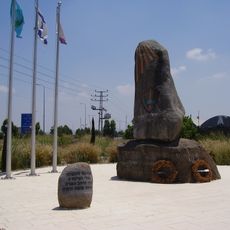
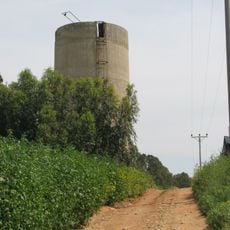
Какун, Medieval fortress near Netanya, Israel
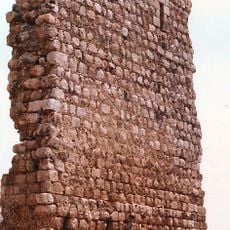
Qaqun fortress sits on a hilltop with thick stone walls forming a compact rectangular structure. The defensive design emphasizes strength and control over the surrounding landscape from this elevated position.
The fortress was built in the 1100s as a fortified post on a major trade route connecting coastal and inland regions. It changed hands several times and was eventually destroyed, leaving behind the ruins visible today.
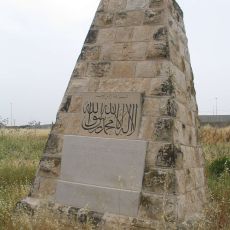
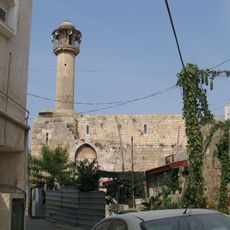
The Arabic name Qaqun derives from the Crusader form Caco or Kakoona, and the Mamluk sultan Baybars turned the Templar church into a mosque after 1260. Under Mamluk rule the village became a postal and commercial stop on the Damascus–Egypt road, and a khan was built there in the early 14th century by order of the governor of Gaza.
The site is reachable by car and sits in open terrain that is straightforward to explore on foot. Wear sturdy shoes since you will walk on uneven ground among the stone remains.
In 1271 Prince Edward, later King Edward I of England, tried and failed to retake Qaqun from the Mamluks. The site later became one of the main Mamluk postal stations, and Napoleon's army fought and defeated Ottoman forces here before marching on the siege of Acre.
The community of curious travelers
AroundUs brings together thousands of curated places, local tips, and hidden gems, enriched daily by 92,640 contributors worldwide.