Gush Etzion Well's Aqueduct, Ancient water infrastructure in Gush Etzion, Israel.
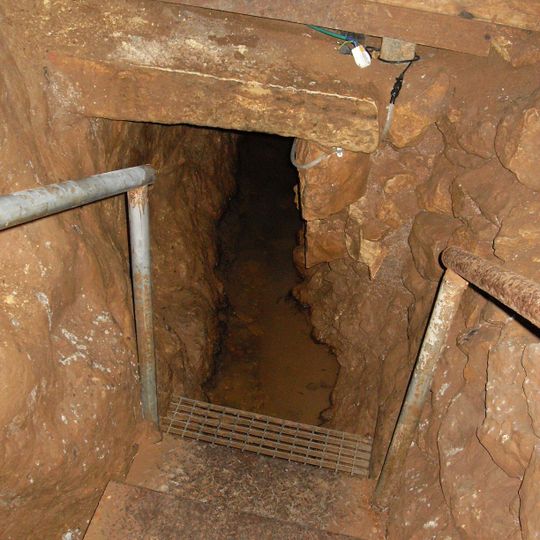
Gush Etzion Well's Aqueduct is an ancient water conveyance system consisting of hand-carved tunnels and stone channels cutting through the hillside. The infrastructure served to move water from mountain springs down to the communities settled in the valleys below.
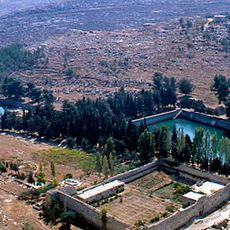
Built in the Second Temple period to ease Jerusalem's water shortage, the aqueduct drew on springs at Ein Bikura (Ein al-Biar), the Aruv and Kuziba springs and those around Solomon's Pools. The Mishnah (Shekalim 4) records that the water channel was funded from the surplus of the half-shekel tax. A 2022 study attributed its construction to Pontius Pilate. It was repaired under the Turks and British and operated until 1967.
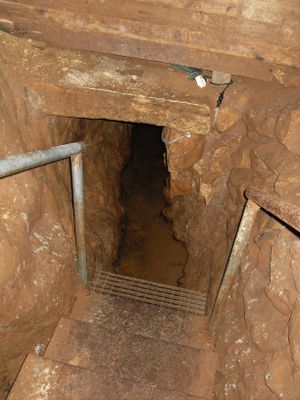
The name Emet HaBiar means "the truth of the well," after the spring of Ein HaBiar that feeds the channel. The aqueduct was paid for from the shekels left over in the Temple treasury, as the Mishnah in Tractate Shekalim states that the water channel, the city wall and its towers came from the surplus of the chamber. Visitors today enter the rock-cut tunnel at Ein HaMa'ayan, where the water runs about 30 cm deep.
Visitors can walk through select sections of the aqueduct, including passages where you wade through shallow water channels. Wear sturdy shoes and watch your footing, as the terrain is uneven and can be slippery in places.
In certain sections, visitors walk through the exact same water passages that have carried water for centuries. This direct contact with the infrastructure creates an unexpected connection between present-day travelers and the daily lives of people from antiquity.
The community of curious travelers
AroundUs brings together thousands of curated places, local tips, and hidden gems, enriched daily by 93,015 contributors worldwide.