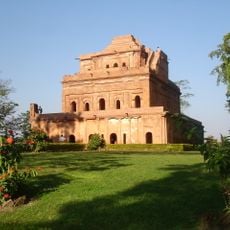
Dibrugarh district, Administrative district in Upper Assam division, India
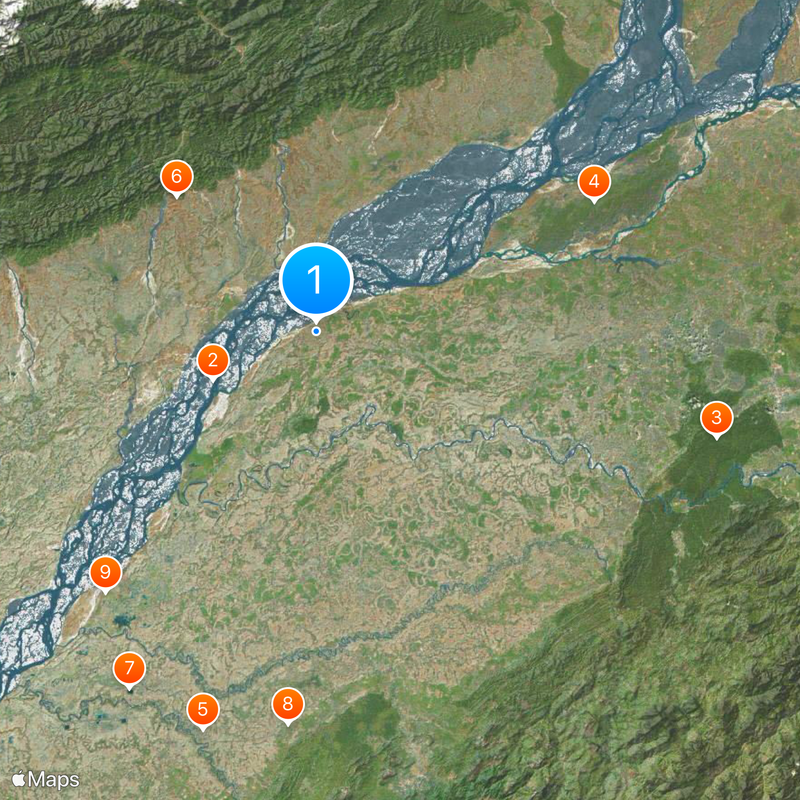
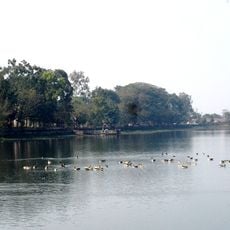
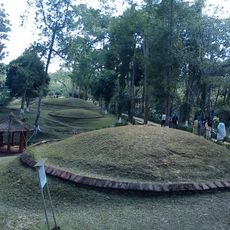
Dibrugarh district spreads across land along the Brahmaputra River with dense tropical rainforest and tea gardens covering much of the terrain. Rolling hills and river valleys shape the landscape, creating a varied geography throughout the region.
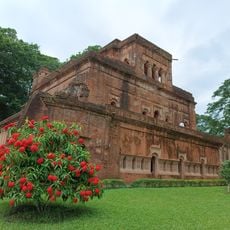
The region came under Ahom rule after their conquest from the Chutia Kingdom in 1523, reshaping political control in the area. Later administrative reorganization created the separate district as we know it today.
Local communities celebrate traditional festivals like Bihu and Durga Puja with characteristic music and dances that fill streets and gathering spaces. The languages you hear daily are Assamese, Bengali, and Hindi spoken across neighborhoods and markets.
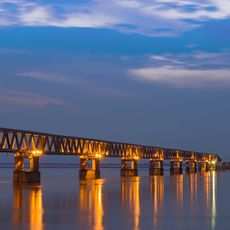
The district has an airport connecting to major Indian cities and maintains an extensive network of roads and railways. Moving between different areas is straightforward thanks to these transportation links.
The area holds one of the world's largest concentrations of tea gardens while also being a major hub for oil and natural gas extraction. This industrial mix makes the district economically important in ways visitors often don't immediately notice.
The community of curious travelers
AroundUs brings together thousands of curated places, local tips, and hidden gems, enriched daily by 91,249 contributors worldwide.