Kangra Valley Railway, Narrow gauge railway in Kangra Valley, India
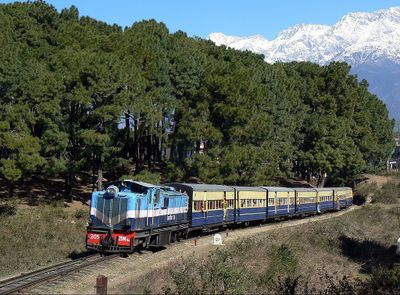
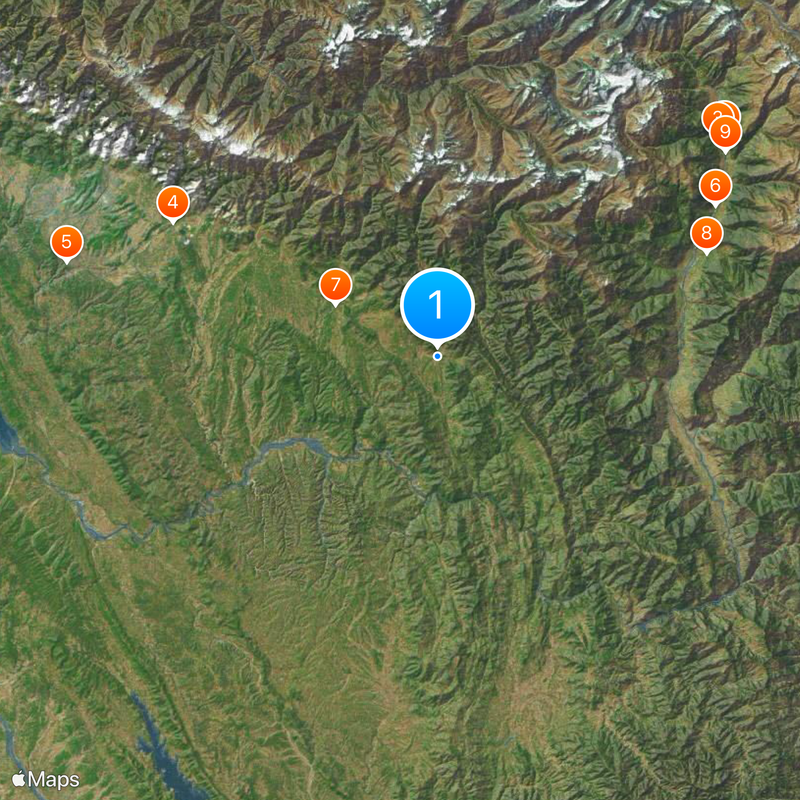
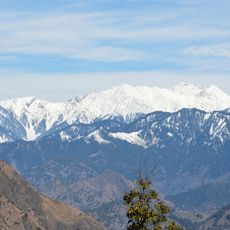
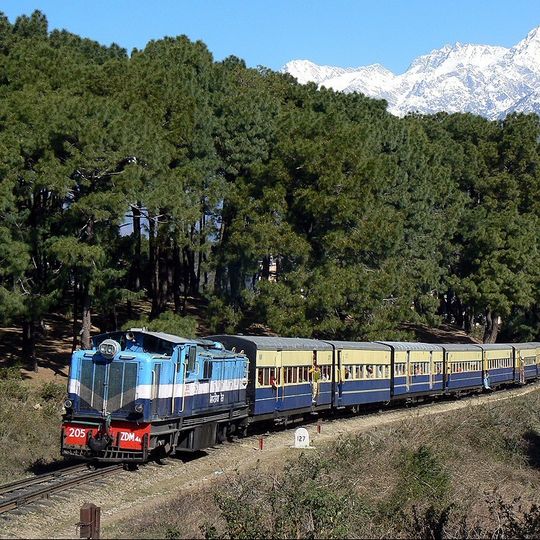
The Kangra Valley Railway is a narrow gauge line that runs 164 kilometers from Pathankot in Punjab to Jogindernagar in Himachal Pradesh. The route crosses roughly 950 bridges as it winds through the mountainous terrain of the region.
Construction began in 1900 and was completed in 1929, though portions were dismantled during World War II for military purposes. The line was restored in 1954 after the war disrupted operations in the region.
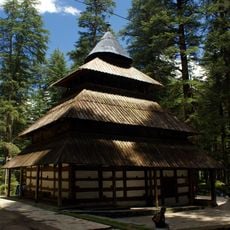
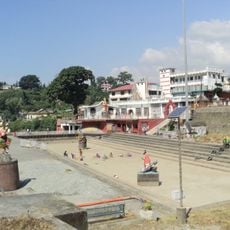
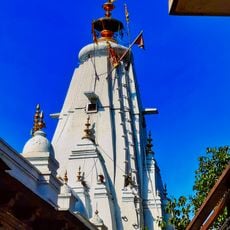
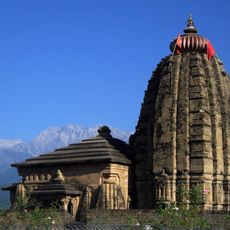
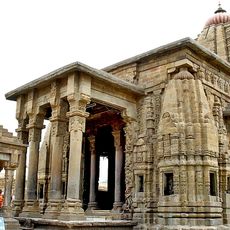
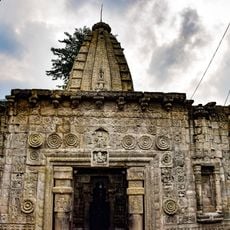
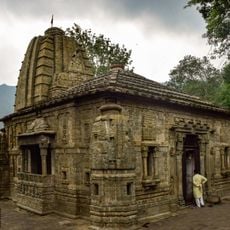
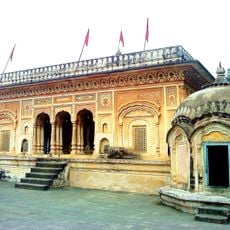
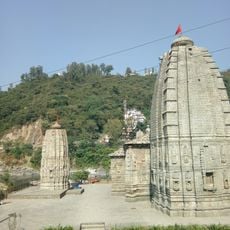
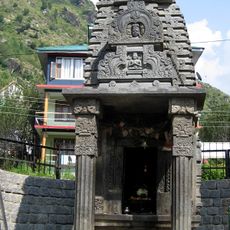
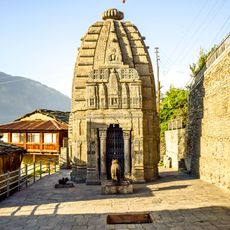
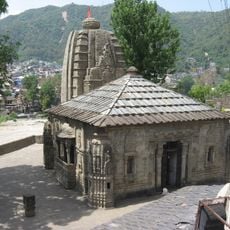
The stations serve as gateways to pilgrimage sites and temples scattered across the valley, particularly the ancient Baijnath Temple dedicated to Lord Shiva. This role as a spiritual connector demonstrates how the railway became woven into the region's religious practices and customs.
The line operates using the Neale's Ball Token signaling system, which allows only one train to occupy a specific track section at a time. This safety mechanism prevents collisions and maintains reliable operations on the mountainous route.
This holds the distinction of being the world's longest narrow gauge railway of its specific track width, with the highest point reached at Ahju station. The engineering feat of constructing and maintaining a working line through such challenging mountain terrain remains a testament to the builders' determination.
The community of curious travelers
AroundUs brings together thousands of curated places, local tips, and hidden gems, enriched daily by 90,751 contributors worldwide.