Yerawada Central Jail, Prison and Gandhi Heritage Site in Yerawada, India
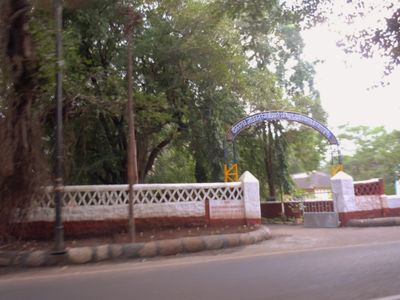
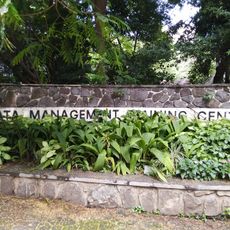
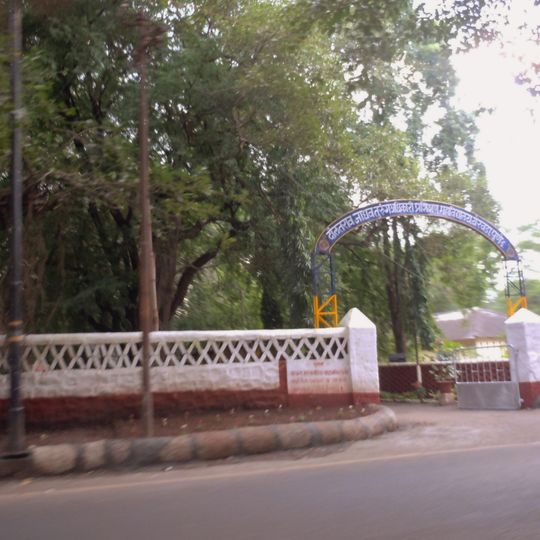
Yerawada Central Jail is a correctional facility in the city of Pune, Maharashtra, comprising multiple security zones, dormitories, and sections for different categories of prisoners. The compound consists of walled areas with administrative buildings, workshops, and living quarters separated by checkpoints.
Yerawada Central Jail was built by the British in 1871, when it stood outside Pune's city limits. Mahatma Gandhi was held here in 1932 and again from 1942 during the Quit India movement; in September 1932 he began an indefinite fast in the jail and ended it after signing the Poona Pact with Dr. Ambedkar on 24 September 1932. He was released in May 1933.
A Gandhian principles course introduced in 2002 by Asim Sarode of the Sahyog Trust runs for a year and ends with an optional examination for inmates. The prison's textile mill has about 150 inmates, women among them, stitching nearly 5,000 garments a day for jails across Maharashtra; uniforms for Madhur Bhandarkar's 2009 film Jail were made here.
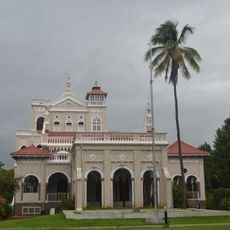
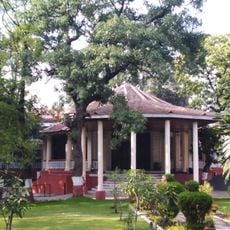
The grounds lie east of central Pune along a main highway and are not open to tourists. Those interested in Gandhi heritage can instead visit the Aga Khan Palace Museum, which has connections to independence movement history and sits nearby.
Part of the compound functions as an open prison where convicted offenders work in agricultural projects and grow food used in community kitchens. This arrangement lets long-term inmates gradually adjust to life beyond cells while remaining under supervision.
The community of curious travelers
AroundUs brings together thousands of curated places, local tips, and hidden gems, enriched daily by 93,365 contributors worldwide.