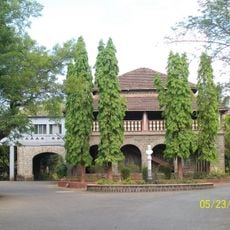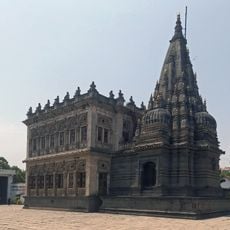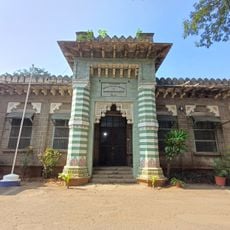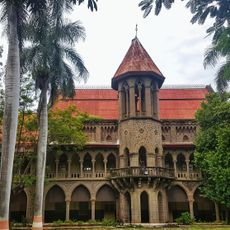
Pune, Educational and industrial metropolis in Maharashtra, India
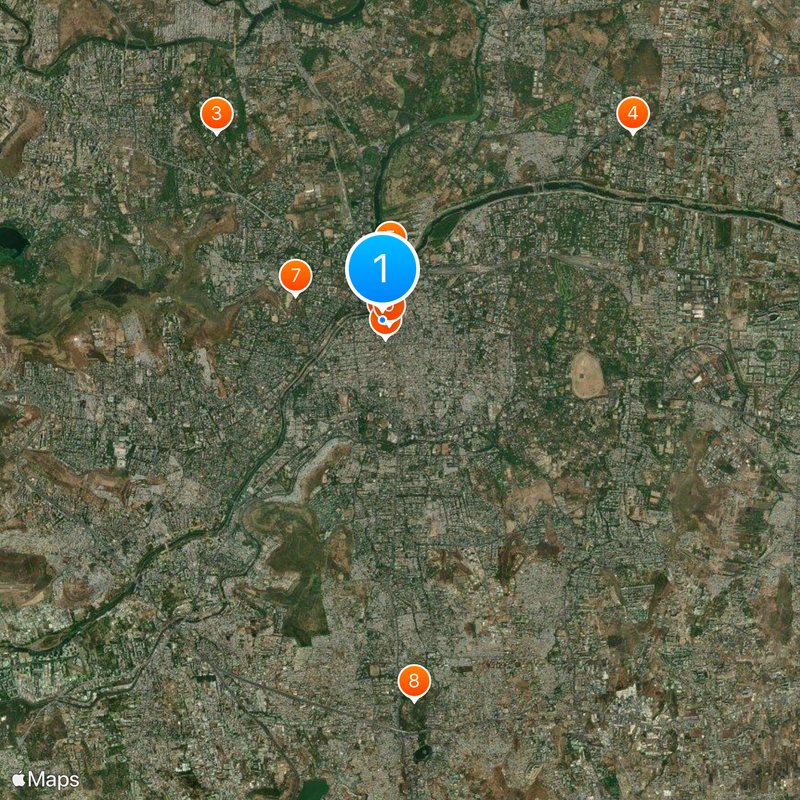
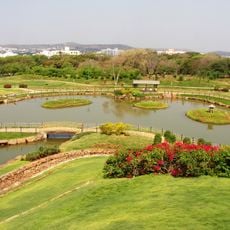
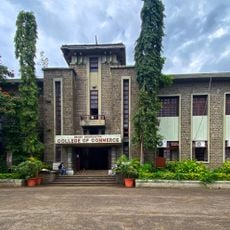
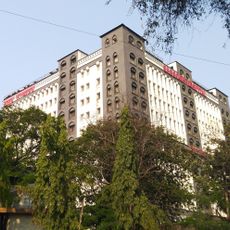
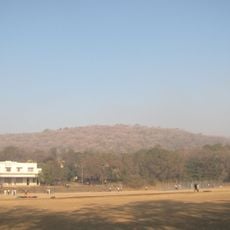
Pune is a city of several million in Maharashtra, sitting where the Mula and Mutha rivers meet, surrounded by hills and crossed by wide avenues leading to university campuses and technology parks. The cityscape shifts between dense residential neighborhoods, green campus areas, and industrial zones that stretch across a large area west of Mumbai.
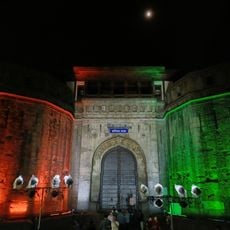
This place became the capital of the Maratha Empire in the 18th century before passing into British hands in 1817. Over the following decades, it grew into an education center and military base, expanding further after Indian independence into a major industrial hub.
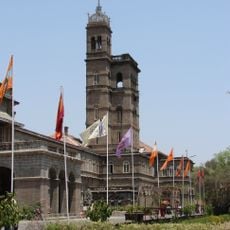
Students gather in small cafés and bookshops near the institutes, while neighborhoods around the academic centers host vendors selling Sanskrit texts and philosophical works. In the evenings, parks fill with families and joggers, and religious festivals and processions mark the rhythm of city life throughout the year.
The city connects to Mumbai, Ahmadnagar, and other towns through highways and rail links, with most attractions and institutes reachable by local buses and taxis. The best time to visit is between October and March, when the weather is more comfortable for exploring parks and outdoor areas around the city.
The Bhandarkar Oriental Research Institute holds thousands of old manuscripts and serves as a center for Sanskrit studies, drawing researchers from different countries. Visitors can enter the library and see how scholars work with texts that are sometimes over a thousand years old.
The community of curious travelers
AroundUs brings together thousands of curated places, local tips, and hidden gems, enriched daily by 90,754 contributors worldwide.