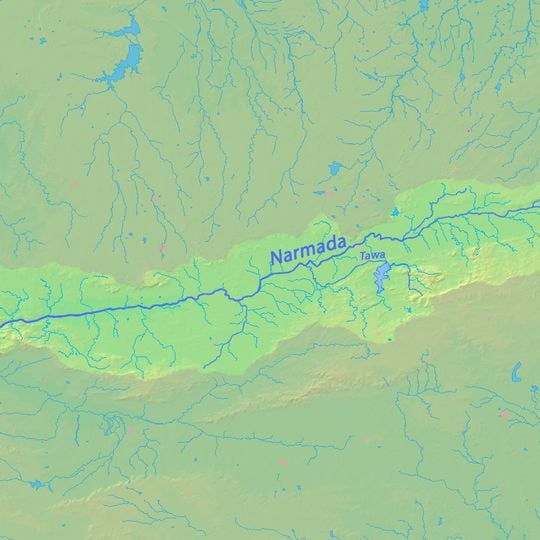
Narmada, Sacred river in Madhya Pradesh, Maharashtra and Gujarat, India
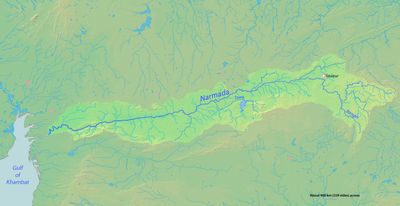
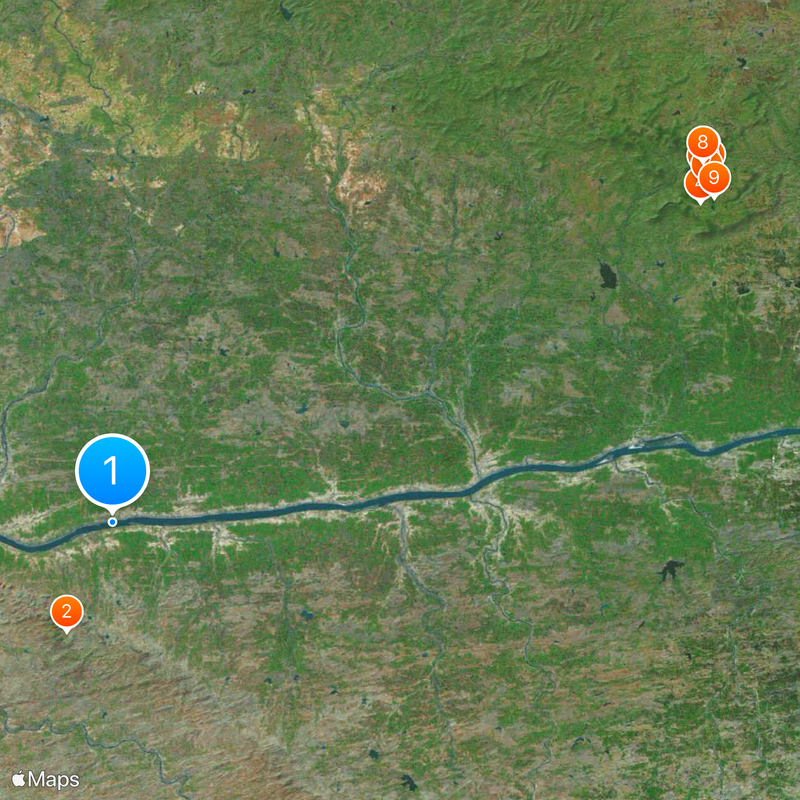
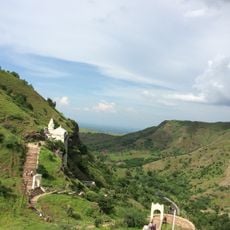
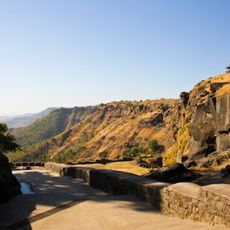
The Narmada is a river in Madhya Pradesh, Maharashtra and Gujarat that flows east to west across central India, covering 1312 kilometers. It originates at the Amarkantak Plateau and empties into the Gulf of Khambhat on the Arabian Sea, passing through deep valleys between mountain ranges.
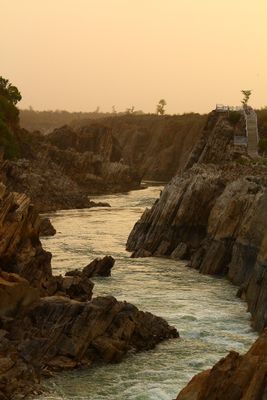
The river has flowed through a tectonic valley for millions of years, shaping the geology of central India. Near its banks, researchers discovered numerous fossils of prehistoric creatures in the late 19th century.
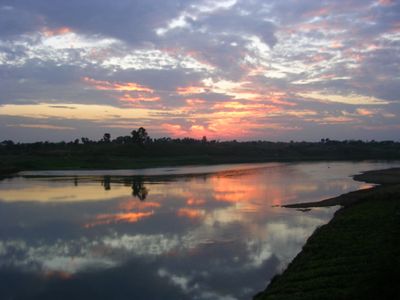
Along both banks, Hindu devotion shows in small temples, bathing steps and pilgrims performing ritual ablutions in the water. During the Parikrama, believers walk for months along the riverbank, experiencing community and daily life in countless villages.
Several large dams along the course have changed the face of the landscape and now irrigate farmland in several states. Visitors reach the banks at many points via unpaved paths or ghats leading down to the water.
Unlike most rivers in India, it flows not north to south but crosses the country from east to west through a geological rift. This feature created a natural dividing line between two large mountain ranges and shaped the landscape and climate of the region over millions of years.
The community of curious travelers
AroundUs brings together thousands of curated places, local tips, and hidden gems, enriched daily by 92,738 contributors worldwide.