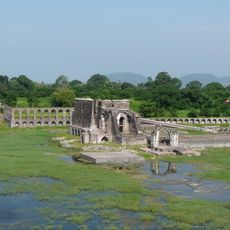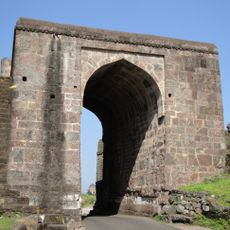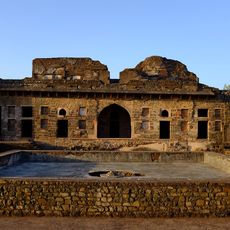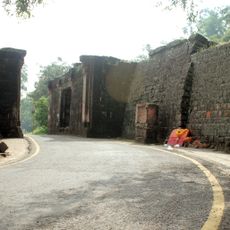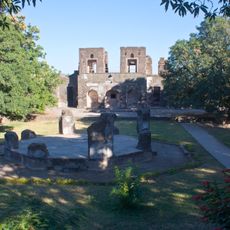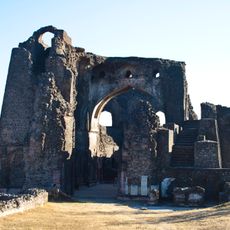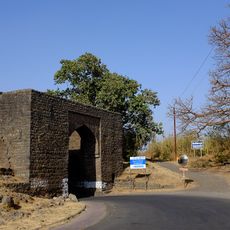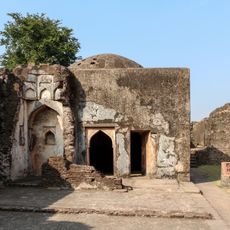
Jhabua, human settlement in Jhabua district, Indore division, Madhya Pradesh, India
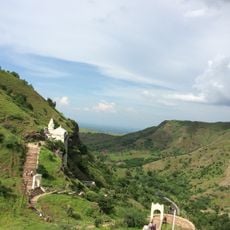
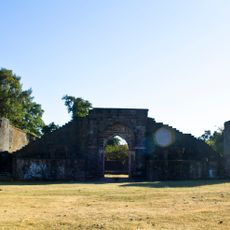
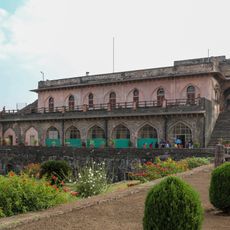
Jhabua is a town and the administrative seat of Jhabua district in the state of Madhya Pradesh, set among hills and farmland in central India. The town center is compact, with narrow market lanes, modest buildings, and open public spaces used for everyday commerce and gatherings.
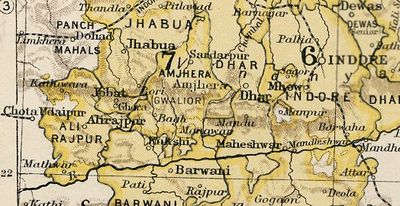
Jhabua was a princely state ruled by local dynasties for centuries before British colonial administration folded it into a wider regional structure. After Indian independence in 1947, the state formally joined the Indian Union in 1948.
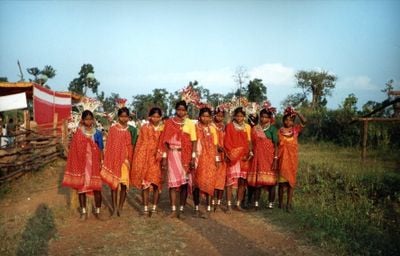
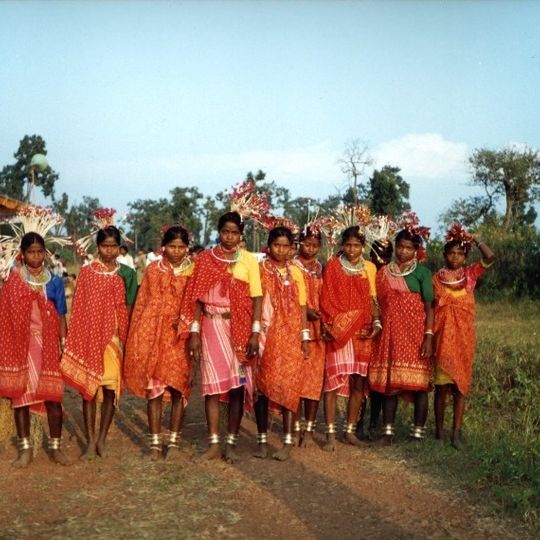
The Bhil and Barela communities make up most of the population around Jhabua, and their presence shapes everyday life in the town. On market days, handmade crafts and traditional clothing are visible throughout the main streets.
The cooler months between October and February make getting around town far more comfortable. The main market area and central streets are easy to walk, and shared transport connects the town to nearby villages.
The Bhil community in the Jhabua area has its own oral tradition of music, centered on a simple string instrument called the Bana, which is played at social gatherings and ceremonies. This tradition is specific to the tribal belt of western Madhya Pradesh and is rarely encountered outside the region.
The community of curious travelers
AroundUs brings together thousands of curated places, local tips, and hidden gems, enriched daily by 92,681 contributors worldwide.