Bijapur Fort, Fort in Bijapur, India
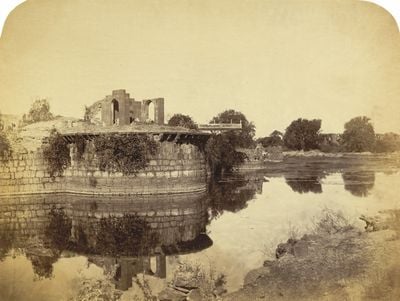
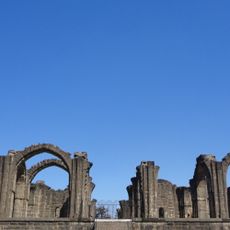
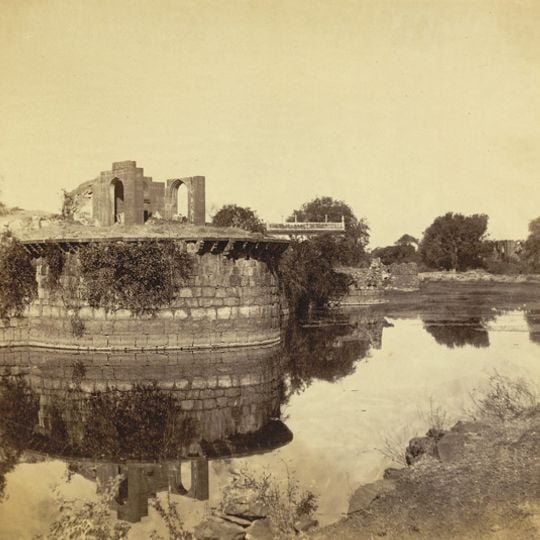
Bijapur Fort is a walled fortification in Bijapur District, Karnataka, spanning roughly 1.5 kilometers (about 1 mile) and enclosing defensive stone walls, watchtowers, and several entrance gates. The complex includes administrative buildings, religious sites, and burial monuments arranged within the enclosed perimeter.
Construction started in the 16th century when the Adil Shahi dynasty established its power base here. The rulers expanded the complex over several decades, adding mosques, palaces, and burial structures.
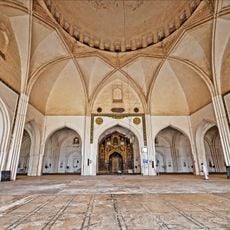
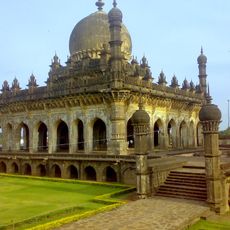
The city was called Vijayapura, "city of victory", before becoming Bijapur. Sultan Ibrahim II, titled "Jagadguru Badshah", composed verses to the Hindu goddesses Saraswati and Ganapati and built Hindu temples inside his palace precincts. The Jami Masjid, begun under Ibrahim Adil Shah, remains the largest mosque in Bijapur.
Seven main gates provide access, with the western entrance leading directly to the central administrative buildings. Visitors should plan several hours for a full walk, as the site is large and requires considerable walking.
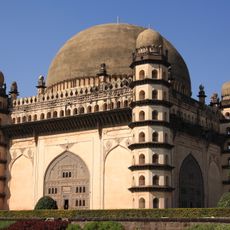
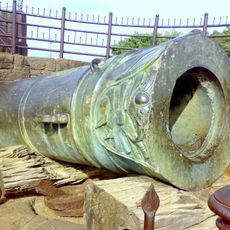
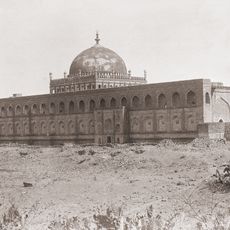
Gol Gumbaz, the mausoleum of Muhammad Adil Shah, stands outside the fort walls in Bijapur city, not within the fort precinct. Its dome, 126 feet across at the base, is the second largest in the world. The fort itself held the Mallik-e-Maidan, a 4.45-metre gun still at its original position.
The community of curious travelers
AroundUs brings together thousands of curated places, local tips, and hidden gems, enriched daily by 92,689 contributors worldwide.