Green Park Stadium, Cricket stadium in Kanpur, India
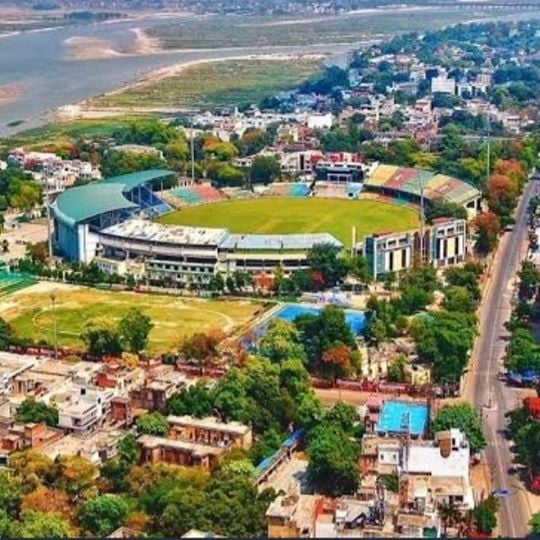
Green Park Stadium is a cricket ground in the heart of Kanpur that offers multiple covered and open stands overlooking the central playing field. The complex spreads over a large site with maintained grass areas, trees along the perimeter, and separate zones for players, media representatives, and technical staff.
Green Park Stadium is named after a British woman called Green, who practised horseback riding on the site. India's first Test victory over Australia in December 1959 was played here, and it was also the ground's first match on a turf wicket. In September 2016 it hosted India's 500th Test, a 197-run win over New Zealand. Since 1957 India has lost only two Tests at Kanpur, to the West Indies in 1958 and 1983.
The ground is named after a British woman called Green, who practised horseback riding on the site. It is nicknamed the 'Billiards Table', and 'Woolmer's turf' after Bob Woolmer, the cricketer and coach born in the McRobert Hospital opposite the stadium. It is the only stadium in India with a student gallery, and it holds the largest manually operated scoreboard in the world.
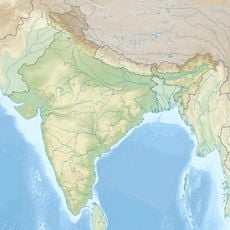
The ground sits in the Civil Lines area in the northeast of Kanpur, with the Ganga flowing just behind it. The two bowling ends are called the Mill Pavilion End and the Hostel End, after the nearby Elgin Mill and DAV College. A student gallery, the only one at an Indian stadium, and the world's largest manually operated scoreboard are inside; video screens are used during international matches.
The surface of the playing area changes noticeably during a multi-day match and often favors slow ball rotation in later phases, which experienced spin bowlers can use to great effect. This characteristic has led to many memorable matches being decided here by unexpected turns in the final session.
The community of curious travelers
AroundUs brings together thousands of curated places, local tips, and hidden gems, enriched daily by 92,683 contributors worldwide.