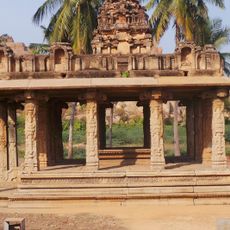
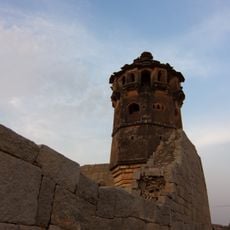
Kupgal petroglyphs, Archaeological site with rock art on Deccan Plateau, India.
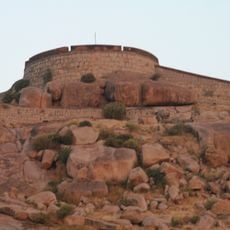
Kupgal is an archaeological site containing thousands of petroglyphs carved into granite rock formations spread across the Deccan Plateau. The carvings feature different figures and animals distributed across multiple sections of the site.
The site was first discovered in 1892 and dates to the Neolithic period roughly 4000 to 3300 years ago. It preserves evidence of ancient settlements and reveals how people used this location over centuries.
The carvings depict long-horned cattle and human figures that reflect how ancient pastoral communities lived and moved across these lands. These images tell stories about the daily practices and animals that mattered most to the people who created them.
The site requires guidance from local authorities or archaeologists for proper access, as many petroglyphs remain undocumented and scattered across rough ground. Visitors should prepare for uneven terrain and check local conditions before planning a visit.
Large granite formations at the site act as natural musical instruments, producing gong-like sounds when struck with stones. This acoustic quality makes these rock formations notable for anyone exploring the area.
The community of curious travelers
AroundUs brings together thousands of curated places, local tips, and hidden gems, enriched daily by 91,543 contributors worldwide.