Pashupatinath Temple, Hindu temple in Mandsaur, India
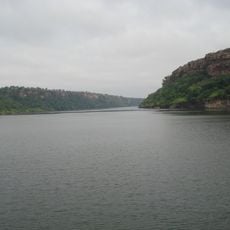
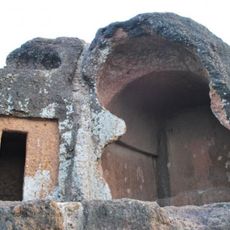
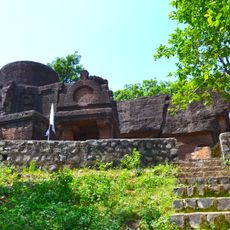
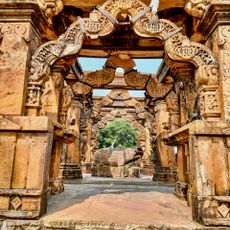
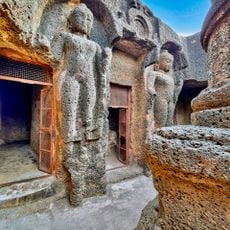
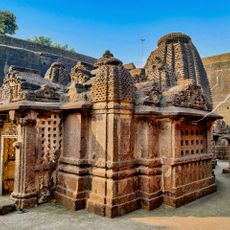
Pashupatinath Temple sits along the Shivna River and displays traditional Hindu architecture with intricately carved stonework and detailed sculptures across its facade. The structure combines classical religious design principles with local craftsmanship visible throughout its spaces and decorative elements.
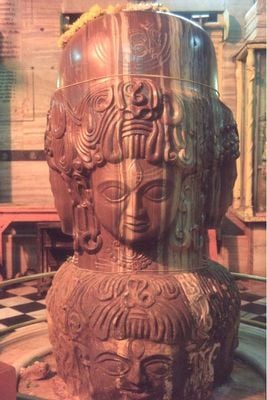
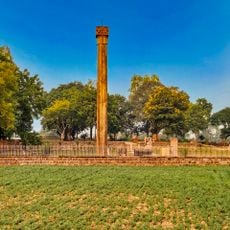
The site was already a Hindu pilgrimage centre by the 2nd century CE, and Kalidasa mentions Dashapura, as Mandsaur was then called. Nine Sanskrit inscriptions dated mostly between 404 and 487 CE record Gupta-era kings and temples, and excavations have yielded 6th-century brick Shiva temples. The eight-faced linga was later recovered from the Shivna river bed; the washerman's dream, the pair of 16 bullocks and the 18-year delay before installation come from local tradition. Vijayaraje Scindia of Gwalior had the present temple built.
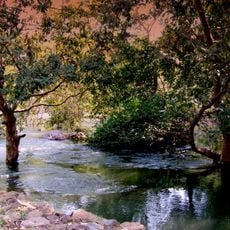
Local tradition tells that the eight-faced linga was found in the Shivna riverbed by a washerman named Uda, who used the stone for washing clothes until Shiva appeared to him in a dream. Devotees pulled it out with pairs of bulls. The image stayed about 18 years in the garden of Shivdarshan Agrawal before Bhagavata Acharya Swami Pratyakshanand consecrated it, and Vijayaraje Scindia of Gwalior built the temple and placed a golden kalasha on its shikhara.
The temple stands in Mandsaur town on the bank of the Shivna River, in the Malwa region near the Rajasthan border, roughly 200 km from Indore. The eight-faced linga is kept inside the reconstructed temple, so look for the sanctum rather than the riverbed where it was found. The sources give no opening hours or entry rules; confirm current visiting conditions locally before setting out.
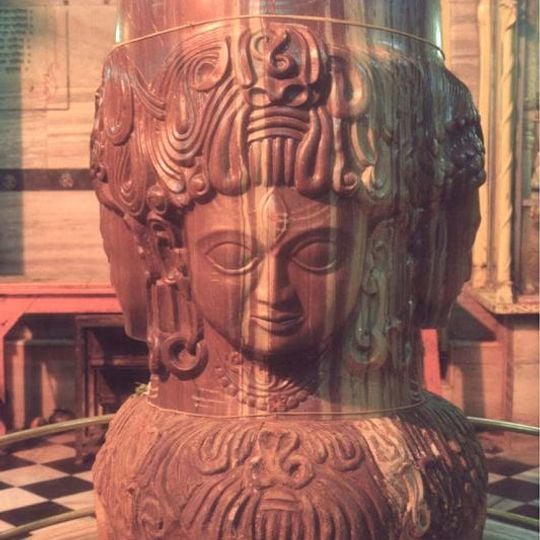
The eight-faced Shiva Linga is 4.5 metres tall and was found in the bed of the Shivna River before being reconsecrated in the temple. Four heads sit in a line on top, four below; each has open eyes with a visible third eye, and the eight represent aspects such as Bhava, Pashupati, Mahadeva and Rudra. Goyala dates it to the early 6th century.
The community of curious travelers
AroundUs brings together thousands of curated places, local tips, and hidden gems, enriched daily by 94,043 contributors worldwide.