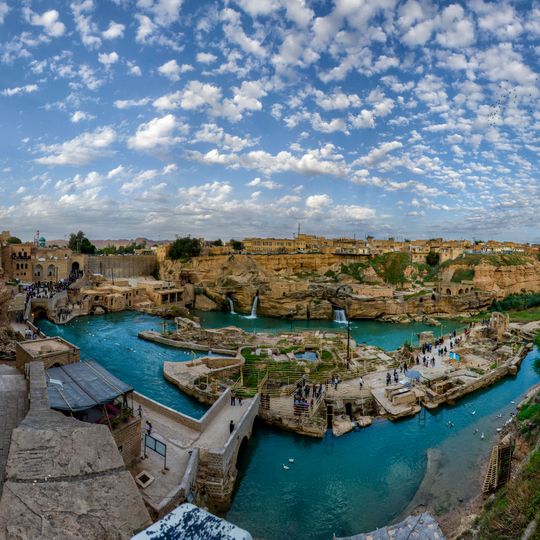
Shushtar, city in Khuzestan Province, Iran
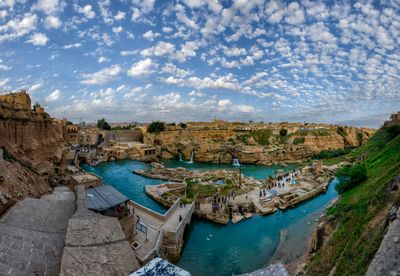
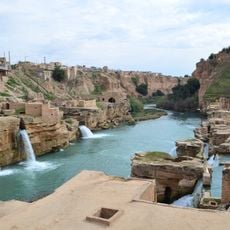
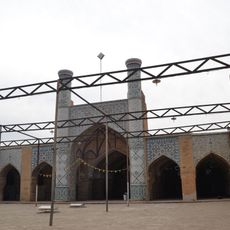
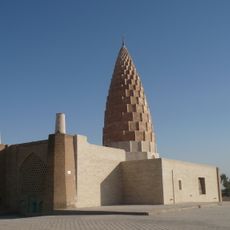
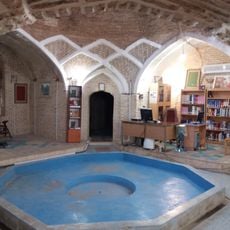
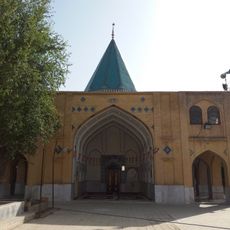
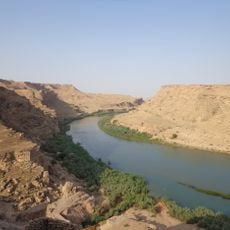
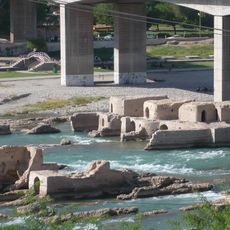
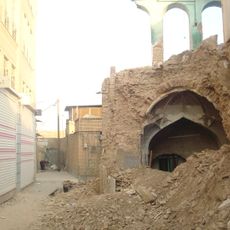
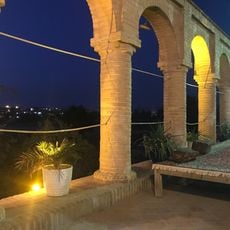
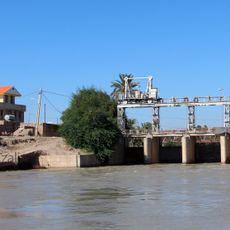
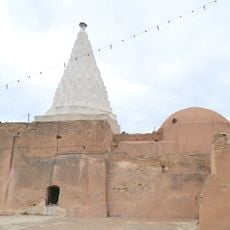
Shushtar is a city in Khuzestan built around an ancient hydraulic system of canals, dams, and mills that still functions and shapes how the place looks and feels. The city spreads across several districts with traditional mud-brick neighborhoods, narrow lanes, wind-catching towers for cooling, busy markets, and quiet spots along the rivers where waterfalls and old stone bridges stand.
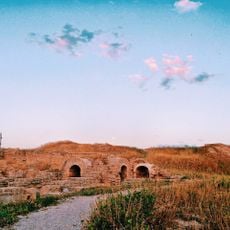
Shushtar was founded in ancient times and changed hands many times throughout history as different rulers and groups took control. Its water system was developed in antiquity and expanded over the centuries, especially during the Islamic period, though the city saw repeated conflicts over territory and power.
The name Shushtar reflects its deep connection to water and ancient engineering, which remains central to how locals experience the city today. Artisans still practice traditional weaving, fishermen work the rivers, and families gather in teahouses by the water, keeping alive customs that have shaped daily life for centuries.
Wear sturdy shoes since the old pathways and bridges are uneven and surfaces vary between stone, gravel, and damp riverbank areas. Spring and autumn offer the most comfortable weather for walking and exploring; summers are very hot and winters are mild, making the moderate seasons easier for visiting and sightseeing.
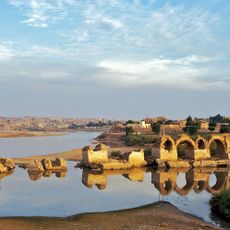
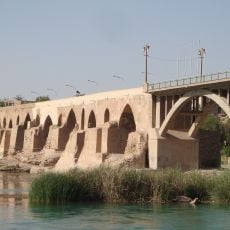
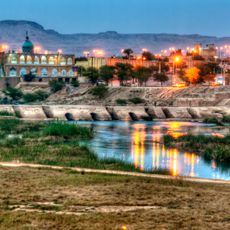
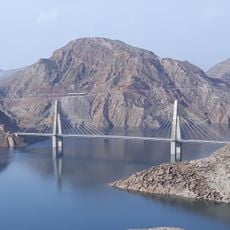
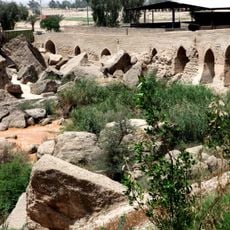
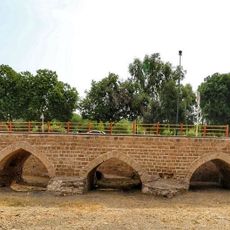
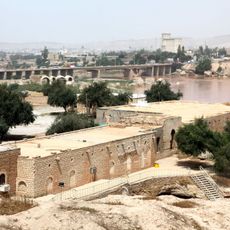
The Band-e Kaisar is an ancient stone bridge and dam across the Gargar River that still works today while also serving as a walking path where visitors can see the old water engineering up close. Another feature is Pol Sefid, Iran's first suspension bridge, which spans the river and remains a favorite spot for walks and watching the water flow.
The community of curious travelers
AroundUs brings together thousands of curated places, local tips, and hidden gems, enriched daily by 92,641 contributors worldwide.