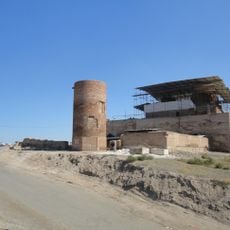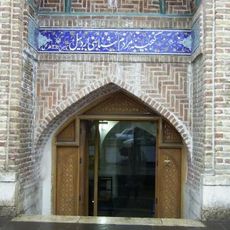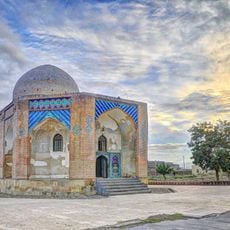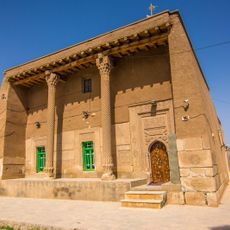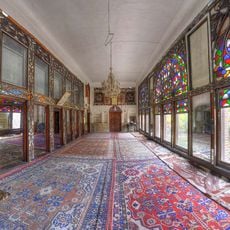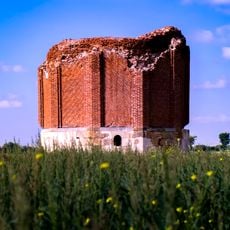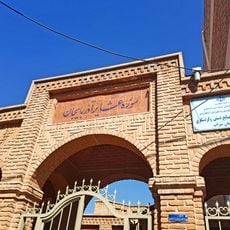
Sheikh Haydar Mausoleum, Islamic mausoleum and tower in Meshginshahr, Iran.
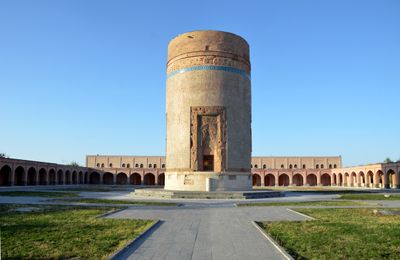
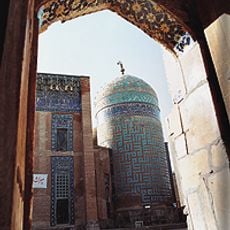
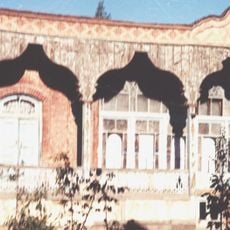
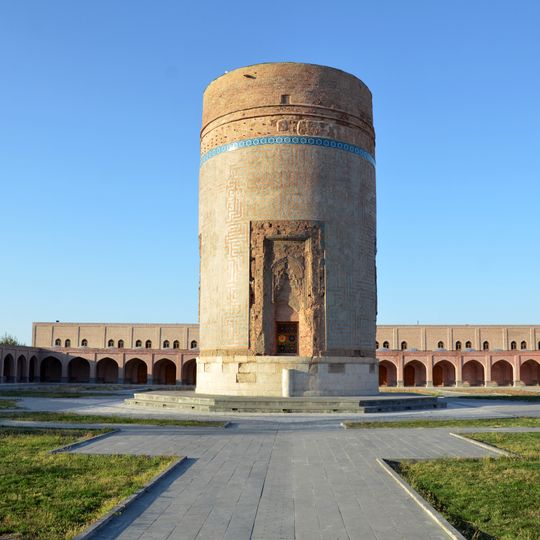
Sheikh Haydar Mausoleum is a cylindrical stone and brick tower standing approximately 18 meters tall with three window-like openings featuring traditional Persian patterns. Decorative tilework covers the surface, displaying the geometric and floral motifs characteristic of the period.
The structure was built in 1331 during the Ilkhanate period, establishing an early example of this architectural form. In the 16th century under Safavid rulers, it underwent extensive modifications that added new tilework.
The mausoleum honors the father of Shah Ismail I, representing the veneration of a prominent religious figure central to Iranian spiritual life. It reflects how sacred burial sites served as places where religious devotion and political authority intersected.
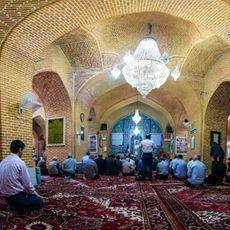
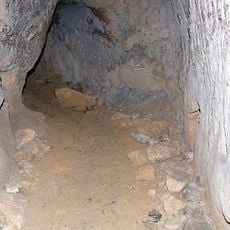
The interior is divided into two floors connected by a staircase on the northern side, allowing visitors to reach an underground burial chamber. Expect narrow passages when exploring the interior and allow time to observe the wall details throughout.
The original structure featured a golden dome that was destroyed in 1858 during conflicts involving Russian forces and the Quja Beyglu tribe. This event left lasting marks on the architecture and reflects the turbulent historical circumstances of the region.
The community of curious travelers
AroundUs brings together thousands of curated places, local tips, and hidden gems, enriched daily by 91,255 contributors worldwide.