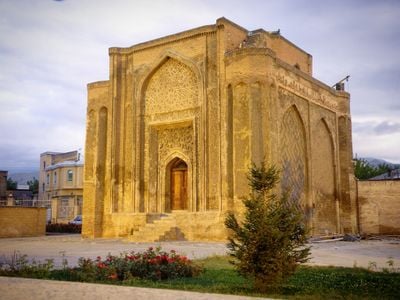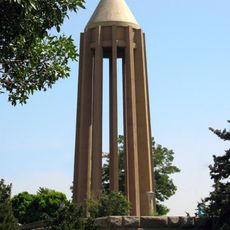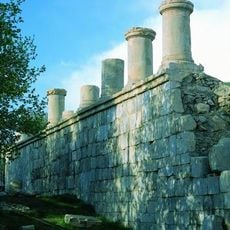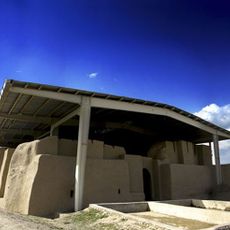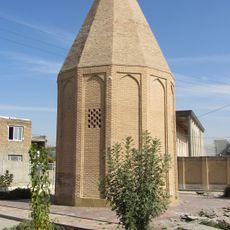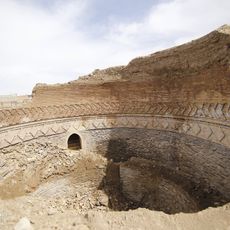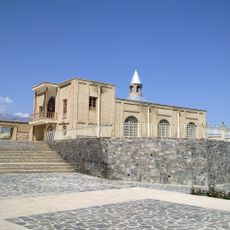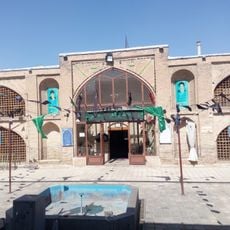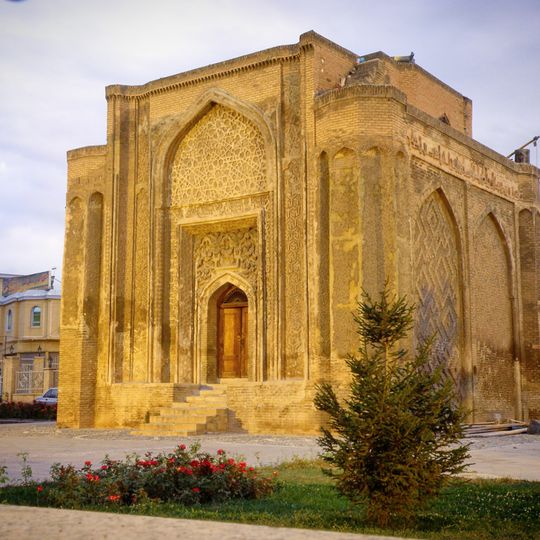
Alaviyan Dome, 12th century mausoleum in Hamadan, Iran
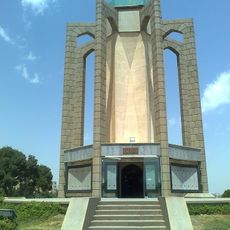
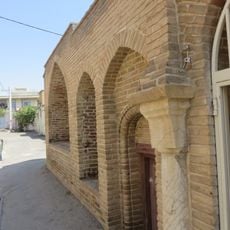
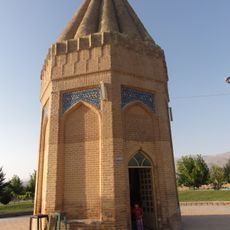
The Alaviyan Dome is a Seljuk-era structure in Hamadan built from brick and plaster, with four load-bearing pillars positioned at each corner to support the construction. The building rests above an underground chamber that extends beneath the main floor level.
The building began as a mosque with a green dome during the Seljuk period and later transformed into a family mausoleum. This conversion reflects how religious spaces in medieval Persia often shifted their purpose to honor important family lineages.
The interior walls display intricate stucco work featuring botanical patterns and Quranic verses in Kufic script, showing Persian artistic craftsmanship from centuries past.
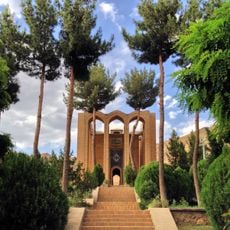
Visitors enter by climbing nine stone steps leading to the main entrance of the building. The interior spaces are compact, and lighting in certain areas like the underground chamber can be limited, so plan accordingly.
The building displays characteristics of both Seljuk and Ilkhanid architectural traditions, blending design elements from distinct periods. This stylistic combination reveals how Persian building techniques evolved as different dynasties gained influence in the region.
The community of curious travelers
AroundUs brings together thousands of curated places, local tips, and hidden gems, enriched daily by 92,605 contributors worldwide.