Ganj Dareh, Archaeological site in Harsin, Iran
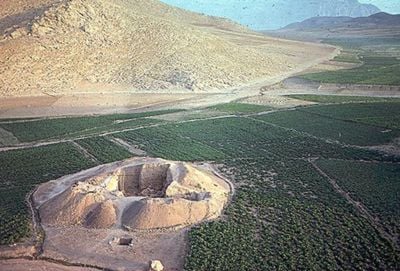
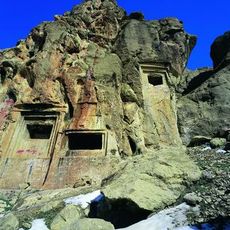
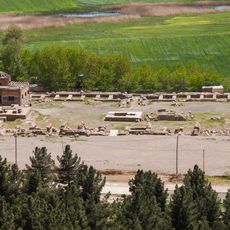
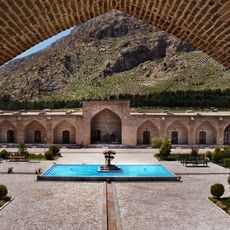
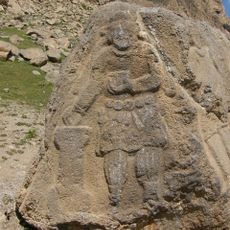
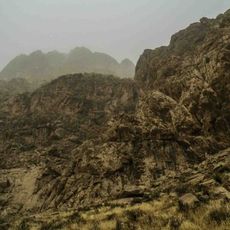
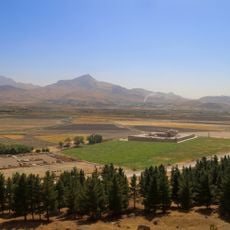
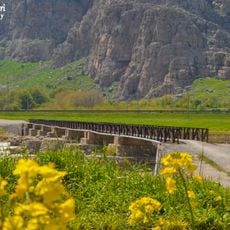
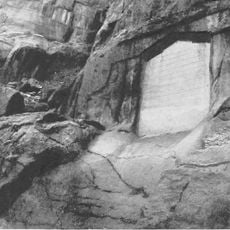
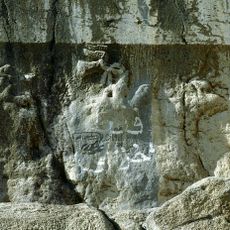
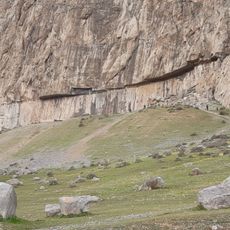
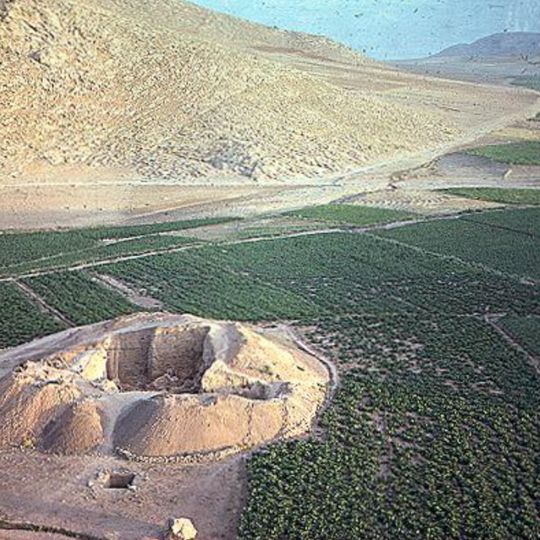
Ganj Dareh is an archaeological site in Harsin featuring a cone-shaped mound that contains layers of ancient settlements from the Neolithic period. The excavated remains include clay vessels, stone tools, bone items, and decorative objects left behind by its early inhabitants.
Excavations from 1965 to 1969 by Professor Philip Smith uncovered human settlements dating to around 8500 BCE at this location. This marks a pivotal moment when people first began farming and keeping animals in this region rather than relying solely on hunting.
The site reveals how early communities shaped their surroundings through farming and animal herding, with pottery and tools reflecting daily survival and craft skills. Objects found here show the gradual shift from hunting to settled agricultural life.
The mound can be explored from different angles to observe its layered structure and excavated areas clearly. Plan enough time to walk around the site and examine the exposed sections at your own pace without feeling rushed.
Among the discoveries are unusual bricks with central indentations never found anywhere else in the world. Additionally, goat footprints remain pressed into construction materials, providing direct evidence of how early animal domestication took place here.
The community of curious travelers
AroundUs brings together thousands of curated places, local tips, and hidden gems, enriched daily by 92,653 contributors worldwide.