Bābā Jān Tepe, Iranian national heritage site
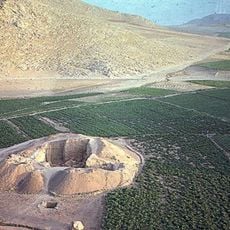
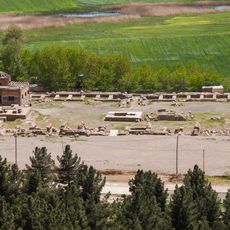
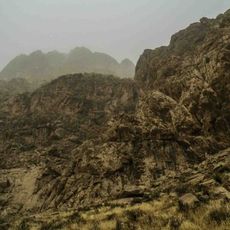
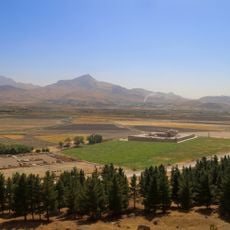
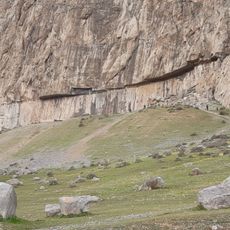
Bābā Jān Tepe is an archaeological mound in Delfan County featuring two connected peaks separated by a saddle formation. The larger central mound spans roughly 120 meters across and rises 15 meters high, while the smaller eastern mound measures about 85 meters in diameter and 9 meters in height.
The site shows continuous occupation from the late fourth millennium BC through approximately the eighth century BC, with evidence of Bronze Age and Iron Age settlements. Excavations reveal multiple destructions and rebuildings, with a major fire destroying structures around the end of the eighth century BC.
The hill holds deep meaning for local communities as a tangible link to their ancestors who inhabited this land for thousands of years. People occasionally visit to pray or reflect, demonstrating how the site remains woven into the fabric of local traditions and identity.
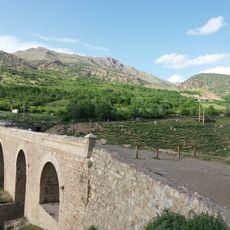
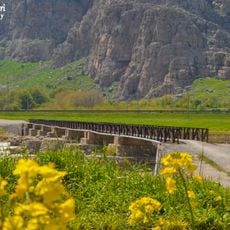
The mound is accessible by local roads from nearby villages and can be explored on foot during daylight hours. The terrain is uneven in places, so comfortable footwear is advisable, and visitors should take care not to disturb the ancient remains scattered across the site.
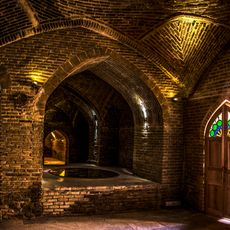
The Painted Chamber discovered at the site features elaborate wall paintings and intricate tile decorations, revealing the artistic sophistication of ancient Iran. This decorated chamber suggests the presence of rulers or important ritual activities centered at this location.
The community of curious travelers
AroundUs brings together thousands of curated places, local tips, and hidden gems, enriched daily by 92,715 contributors worldwide.