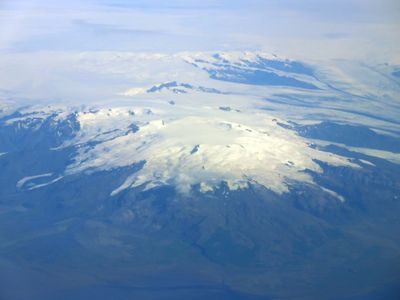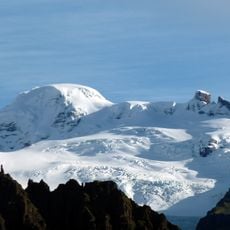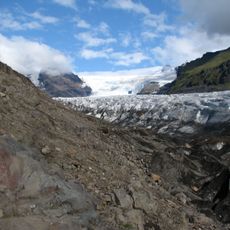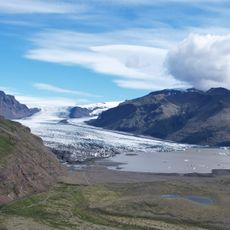
Öræfajökull, Glacier volcano mountain in southeastern Iceland
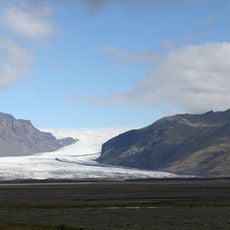
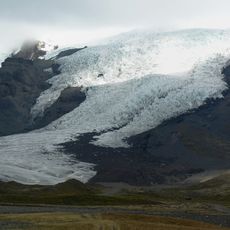
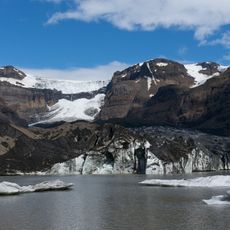
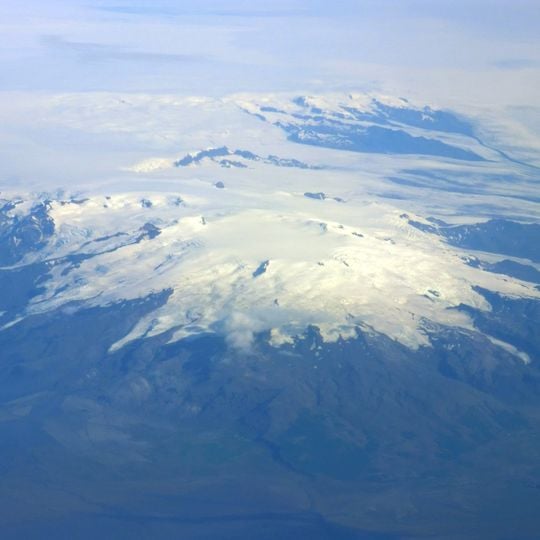
Öræfajökull is an ice-covered volcano in southeastern Iceland that rises to 2110 meters and features a large glacier system at its summit. The mountain contains both basalt and rhyolite rock types and sits atop one of Iceland's largest active volcanic structures.
The mountain experienced a massive eruption in 1362 that spread ash and rock across western Europe and made the surrounding settlement impossible for decades. This event became a turning point in regional history and permanently shaped the landscape.
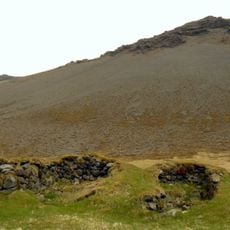
The name Öræfajökull comes from words meaning "devastation" and "glacier," reflecting the destruction left behind after the 1362 eruption. The landscape still tells this story, showing how nature and human memory are connected in the local identity.
The best way to visit the mountain is through guided glacier hikes that depart from the Ring Road between Höfn and Vík and require special equipment. Weather changes quickly in this region, so it is important to bring warm and waterproof clothing.
Beneath the ice lies an active volcanic chamber that during eruptions creates steam and lava beneath the glacier, triggering sudden floods of meltwater. These underground volcanic processes are invisible to visitors but shape how the mountain behaves.
The community of curious travelers
AroundUs brings together thousands of curated places, local tips, and hidden gems, enriched daily by 92,672 contributors worldwide.