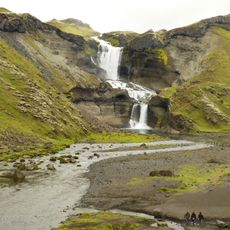
Vatnajökull National Park, National park and UNESCO World Heritage site in Eastern, Northeastern, and Southern Iceland.
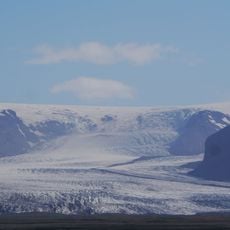
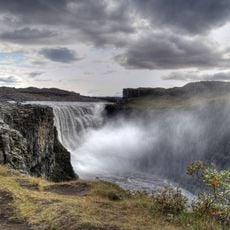
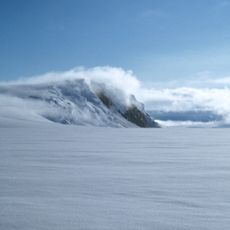
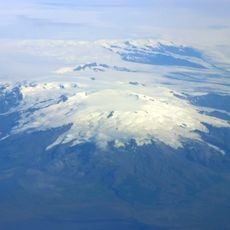
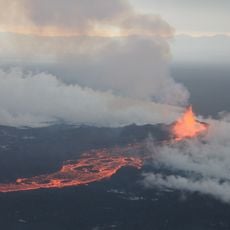
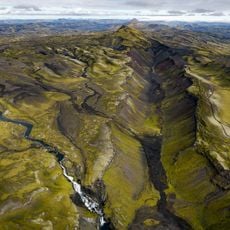
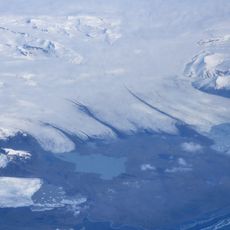
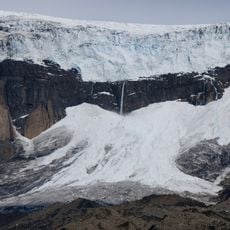
Vatnajökull National Park covers all of the Vatnajökull ice cap, Europe's largest glacier outside the Arctic at 8,100 km², together with the former Skaftafell and Jökulsárgljúfur parks. The ice, 400–600 m thick and up to 950 m, buries mountains, valleys and active central volcanoes such as Bárðarbunga and Grímsvötn. Outlet glaciers descend between mountain ridges onto grey outwash plains of ash and braided meltwater channels.
Vatnajökull National Park was established on 7 June 2008, uniting the former Skaftafell and Jökulsárgljúfur national parks with the glacier and its surroundings, covering 12,000 km². Additions including Lakagígar, Langisjór, Krepputunga and Jökulsárlón brought it to 14,967 km², about 14% of Iceland. On 5 July 2019 it was inscribed as a World Heritage Site.
The park's name comes from Vatnajökull, "water glacier", and its protected areas include Skaftafell and Jökulsárgljúfur, both former national parks. The glacier hides active central volcanoes, among them Bárðarbunga, the largest, and Grímsvötn, the most active, whose eruptions send ash onto the sands near Skaftafell.
Visitors can access the park from multiple points along the Ring Road to hike, take glacier tours, or try ice climbing. Most activities are available year-round but require different equipment and preparation depending on the season.
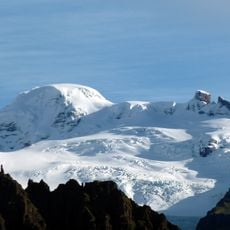
Hvannadalshnjúkur, Iceland's highest summit at 2,110 m, rises from Öræfajökull, the central volcano partly covered by the southern edge of the ice cap. The peak is not buried under the ice but stands above it, and the standard ascent starts from Sandfell and crosses the glacier.
The community of curious travelers
AroundUs brings together thousands of curated places, local tips, and hidden gems, enriched daily by 94,669 contributors worldwide.