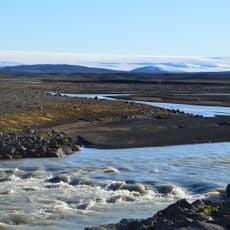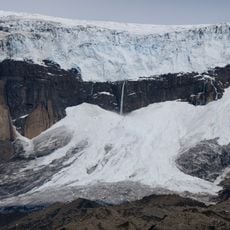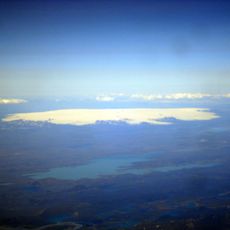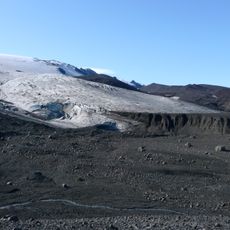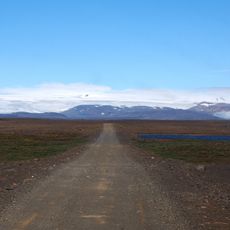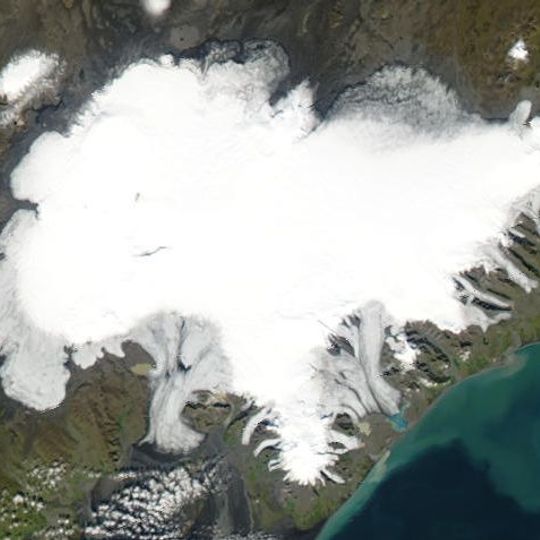
Bárðarbunga, Active stratovolcano in Þingeyjarsveit, Iceland
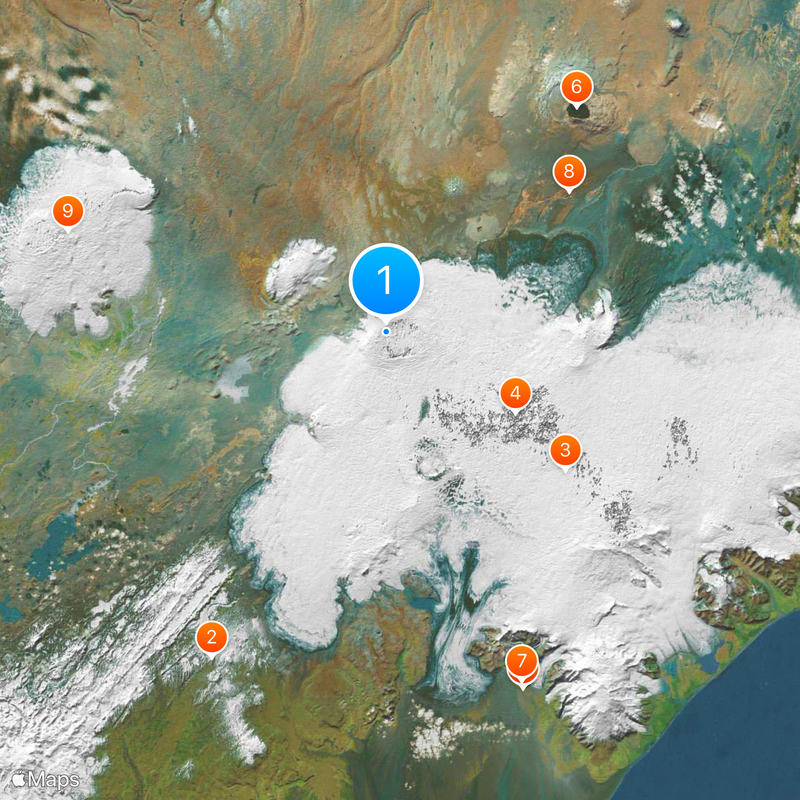
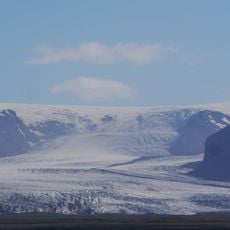
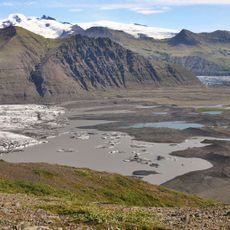
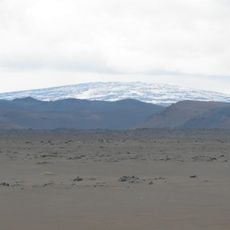
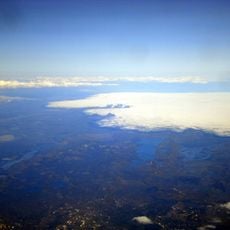
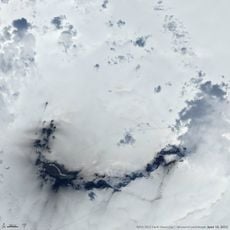
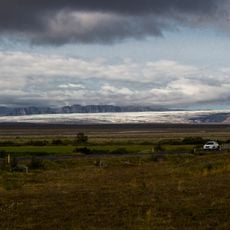
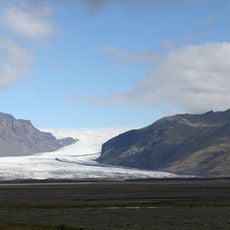
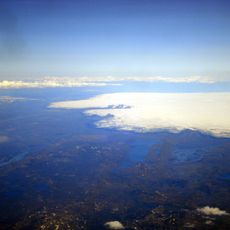
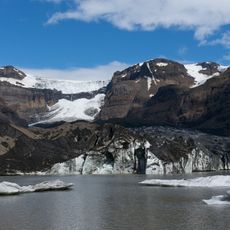
Bárðarbunga is a stratovolcano beneath the Vatnajökull glacier in Þingeyjarsveit, composed of basalt, picrobasalt, and rhyolite, with its summit reaching 2010 meters above sea level. The volcanic complex stretches over a length of roughly 200 kilometers and forms one of the largest magma chambers below Iceland.
In 1477, an eruption occurred that represents the largest explosive volcanic activity in Iceland's recorded history. The event reached a value of 6 on the Volcanic Explosivity Index and distributed ash across wide parts of the island.
The mountain carries the name of Gnúpa-Bárður, an early settler in Iceland, and translates directly as Bárður's bulge. Hikers and scientists pronounce it with a soft stress on the first syllable, the rolling R marking its Icelandic roots.
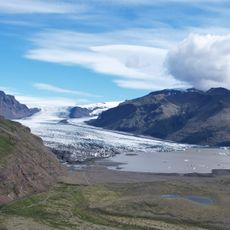
Visits require specialized glacier equipment and experienced mountain guides, as access leads over thick layers of ice. Weather changes can occur within minutes, and only experienced expeditions should approach the region.
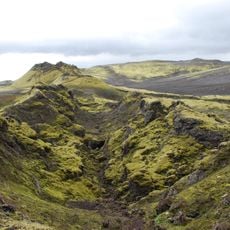
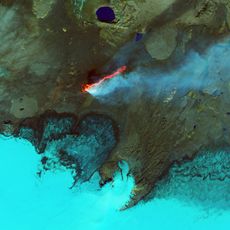
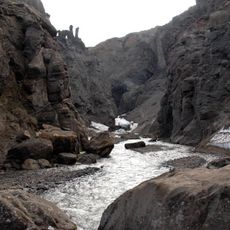
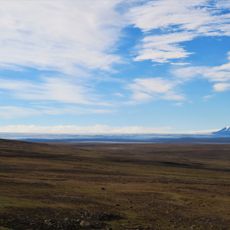
Around the year 6600 before our era, the Þjórsá lava flow emerged from this volcanic system, the largest lava flood of the Holocene epoch on Earth. This rock covers an area of 950 square kilometers (367 square miles) and forms wide lava fields in the Icelandic highlands today.
The community of curious travelers
AroundUs brings together thousands of curated places, local tips, and hidden gems, enriched daily by 92,889 contributors worldwide.