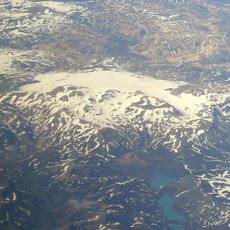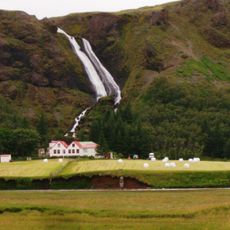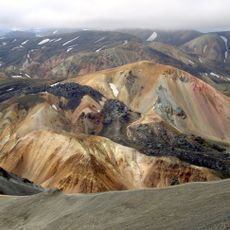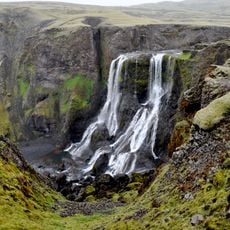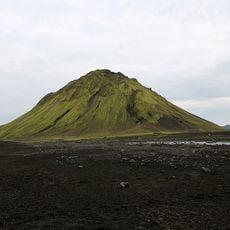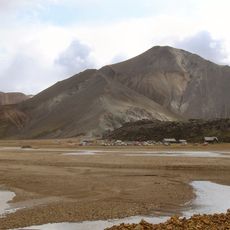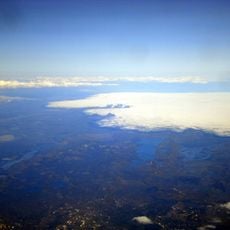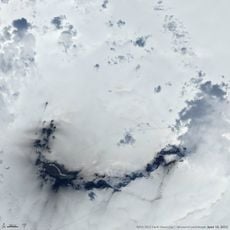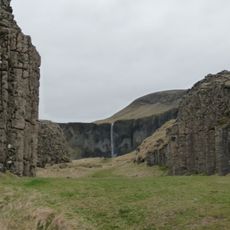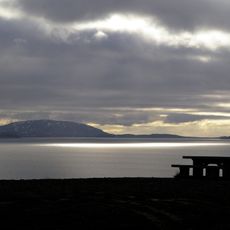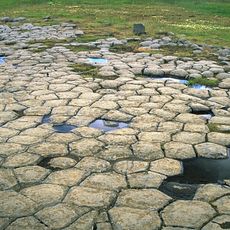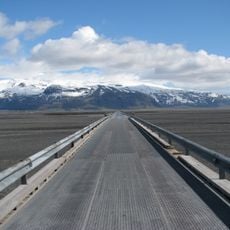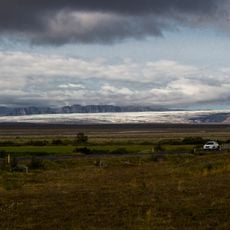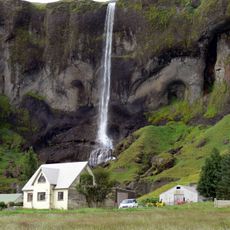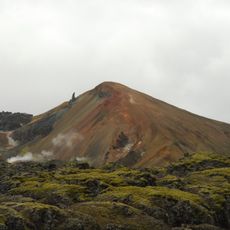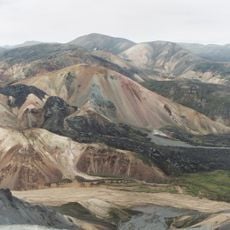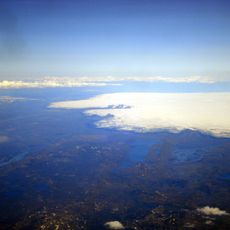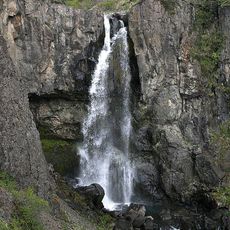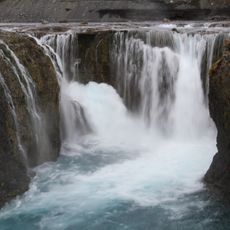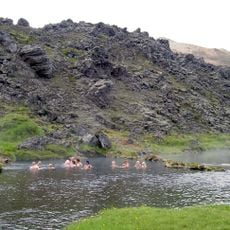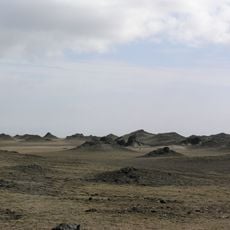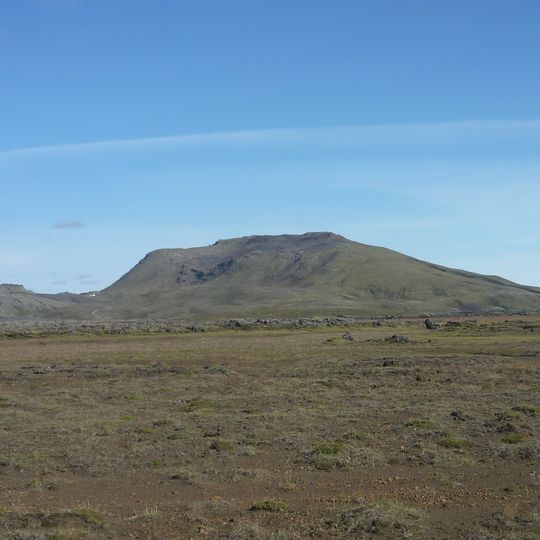
Laki, Volcanic fissure in Skaftárhreppur, Iceland.
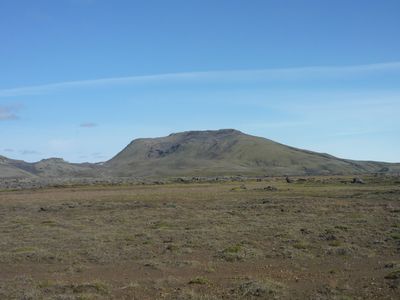
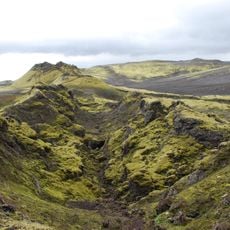
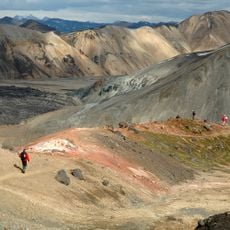
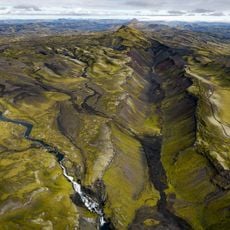
Laki is a volcanic fissure system in Iceland consisting of a line of craters extending roughly 25 kilometers across the landscape, with the highest point reaching above 800 meters. The terrain shows dark solidified lava, numerous vents, and scattered peaks that trace the path of the eruption.
This site witnessed one of the largest volcanic eruptions of the last thousand years, beginning in 1783 and expelling millions of tons of lava and ash. The impacts were felt globally, causing crop failures and climate disruptions for years afterward.
The name Laki comes from an Icelandic word meaning "flame," reflecting its violent past. Today visitors walk across the still-barren lava fields and see the numerous craters that demonstrate the scale of what happened here centuries ago.
The location sits within Vatnajökull National Park and is accessible on organized tours or with considerable hiking experience, though walking on the lava field requires caution. The terrain is rough and exposed, making good equipment and weather preparation essential.
The eruption was so powerful that it created a phenomenon called "Laki haze," a dry, sweet-smelling fog that spread across continents and was perceived as supernatural in Europe at the time. Scientists of that era tracked its effects across distant regions, documenting one of the first global environmental disasters of modern times.
The community of curious travelers
AroundUs brings together thousands of curated places, local tips, and hidden gems, enriched daily by 92,028 contributors worldwide.