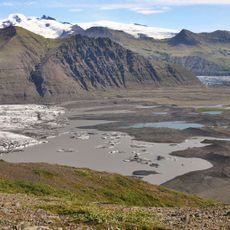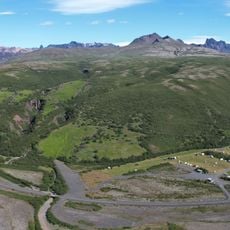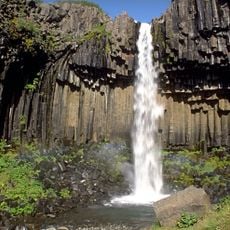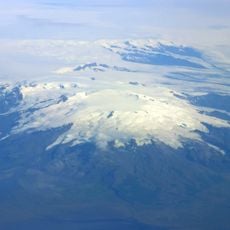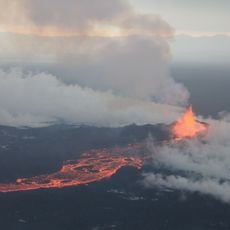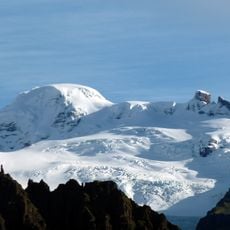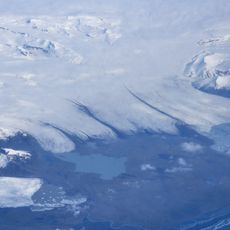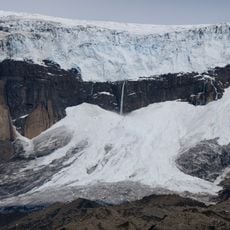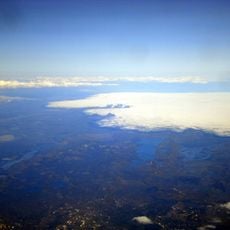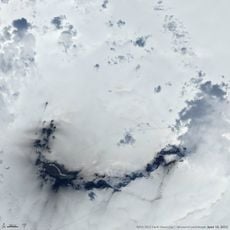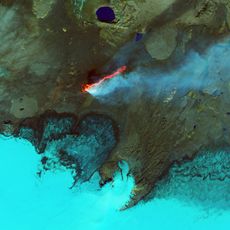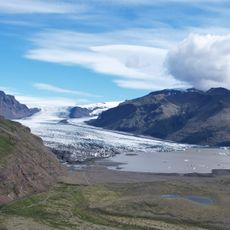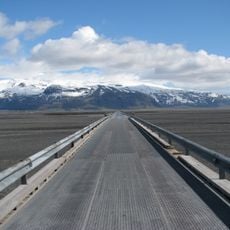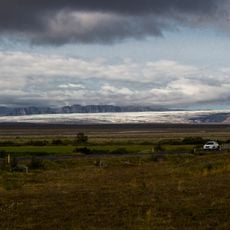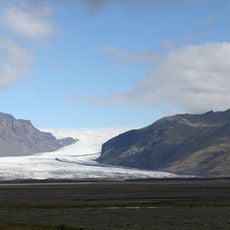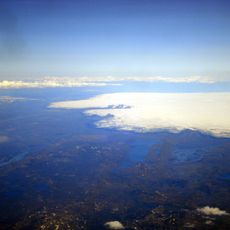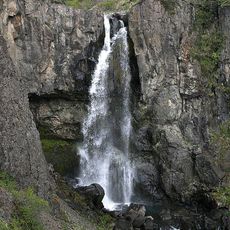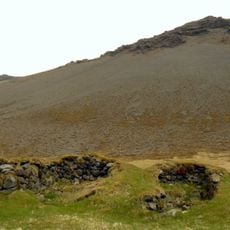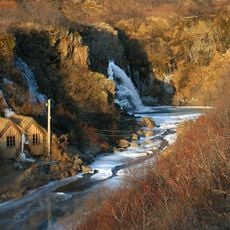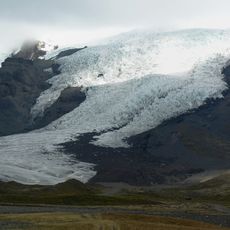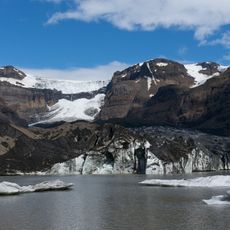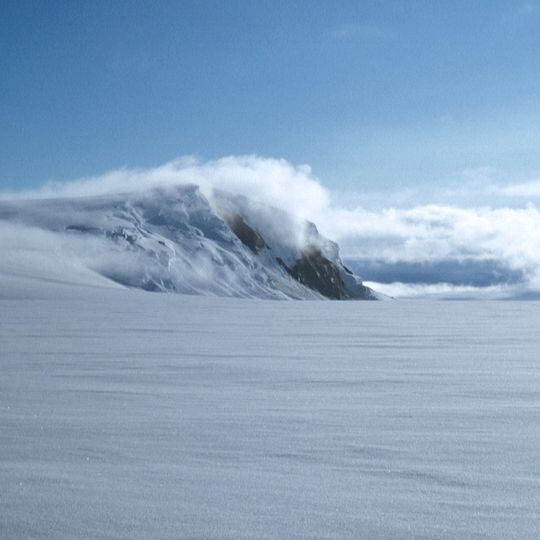
Grímsvötn, Active volcano in Vatnajökull National Park, Iceland.
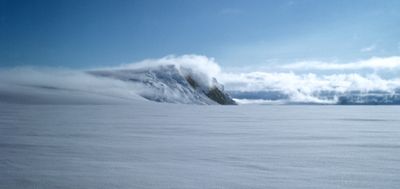
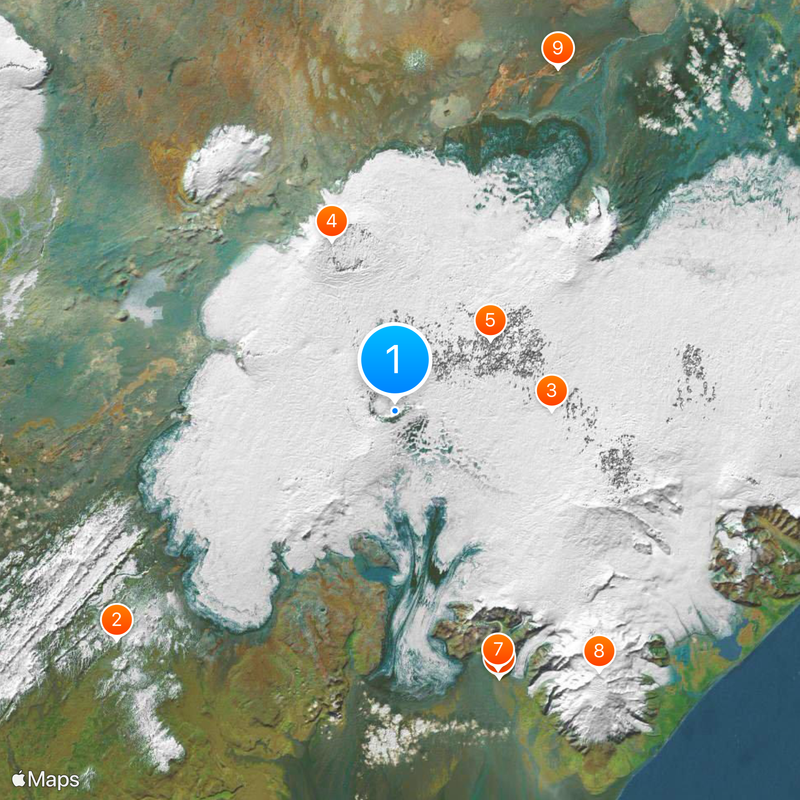
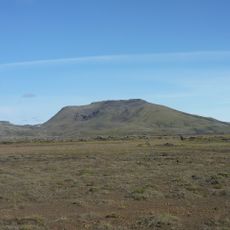
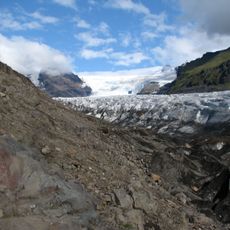
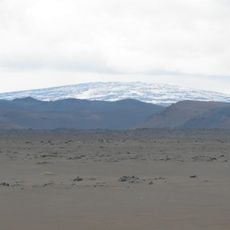
Grímsvötn is a volcano beneath the Vatnajökull ice cap in highland Iceland, sitting inside a caldera filled with glacial ice. The summit reaches around 1700 meters (5600 feet) in elevation and remains hidden under a thick ice layer that melts only during eruptions.
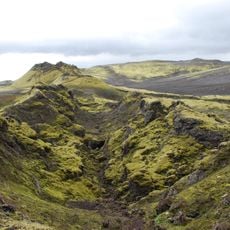
The eruptions from 1783 to 1784 opened a fissure known as Laki and rank among Iceland's largest volcanic events. These outbreaks altered European climate and caused famines through ash and gas emissions.
The caverns beneath the ice form lakes where microorganisms thrive, adapting to heat and darkness. These life forms show how organisms can survive without sunlight and serve as models for studying extraterrestrial environments.
Seismic equipment monitors activity continuously and alerts authorities to new outbreaks, since access to the volcano is hazardous due to ice cover. Visitors should check official warnings and stay away from closed zones to remain safe.
Contact between magma and ice produces explosive steam blasts that trigger sudden meltwater floods. These floods, known as glacier bursts, carry large volumes of ice and rock across long distances and reshape the landscape within hours.
The community of curious travelers
AroundUs brings together thousands of curated places, local tips, and hidden gems, enriched daily by 91,255 contributors worldwide.