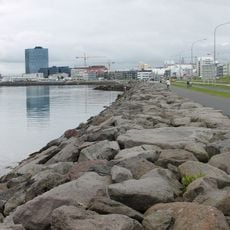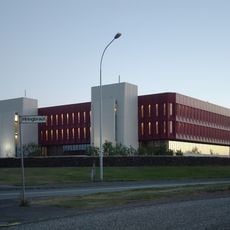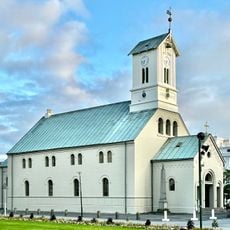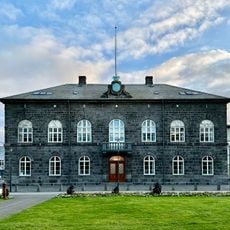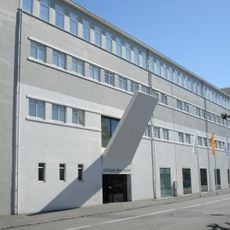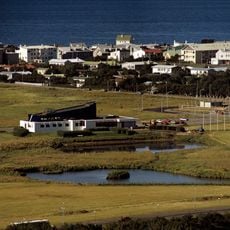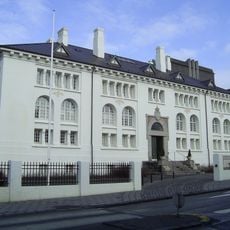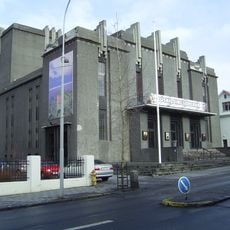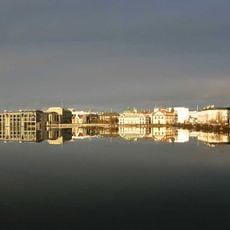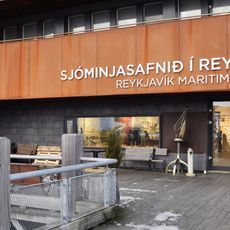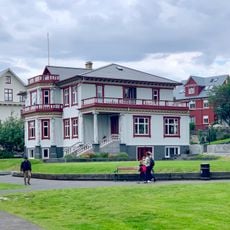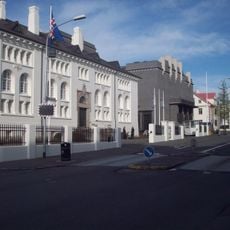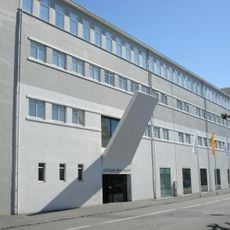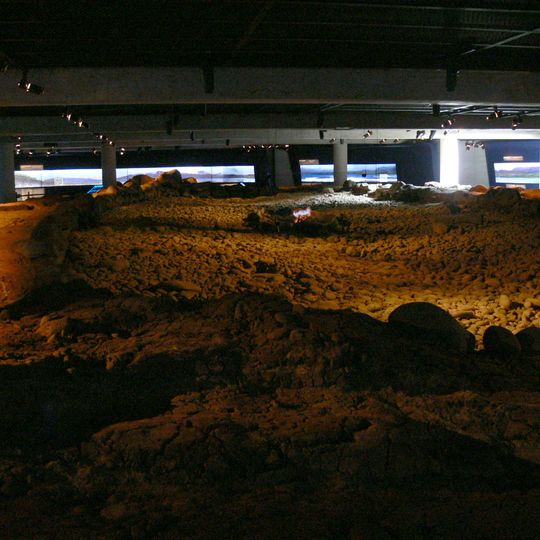
Reykjavík 871±2, Archaeological museum in Reykjavik, Iceland.
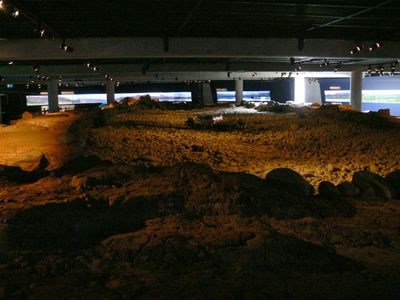
Reykjavik 871±2 is an archaeological museum featuring an excavated Viking Age longhouse with preserved walls and a central hearth, discovered beneath the city streets in 2001. The remaining structure stays in its original location, allowing visitors to walk around the actual foundation walls of this Norse dwelling.
The name refers to tephra layers from a volcanic eruption in 871, with a margin of error of two years, marking Iceland's settlement period. This dating anchor allows archaeologists to precisely place the remains found beneath modern Reykjavik in the early Viking Age.
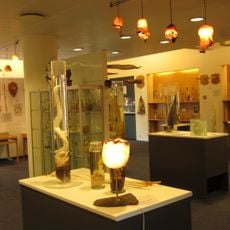
The displays show everyday items like tools and household goods that reveal how the early settlers lived and what mattered to them. Visitors see the traces of a community that existed centuries before the modern city grew around this spot.
The museum is open daily and located in the city center, easily accessible with clear views of the archaeological remains. Multimedia presentations in several languages help explain the context and significance of what is displayed.
The excavated walls likely belonged to a house occupied for only a few decades before being abandoned. This brief period of habitation makes the discovery scientifically valuable for understanding how early Iceland was settled.
The community of curious travelers
AroundUs brings together thousands of curated places, local tips, and hidden gems, enriched daily by 92,338 contributors worldwide.