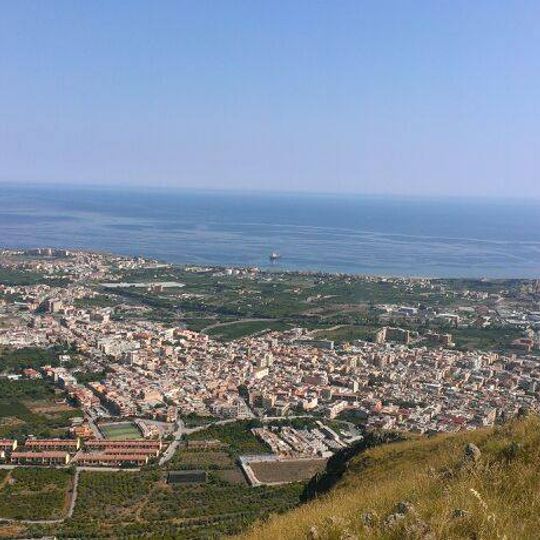
Villabate, Italian comune
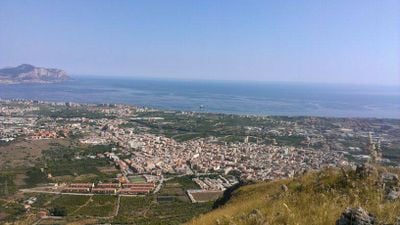
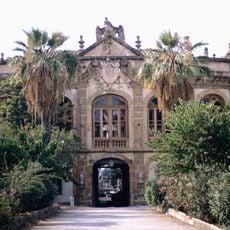
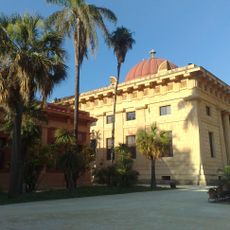
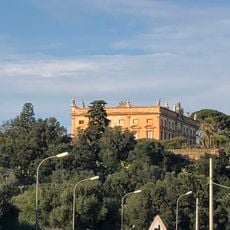
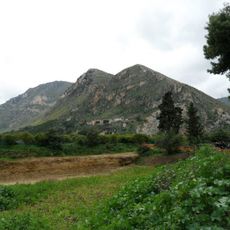
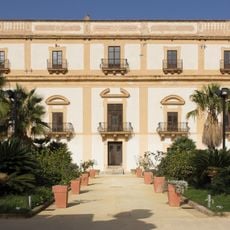
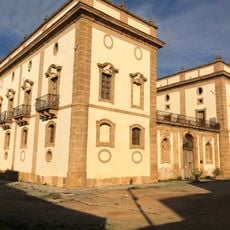
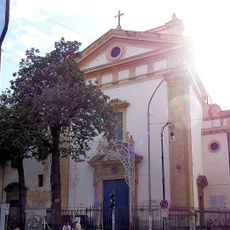
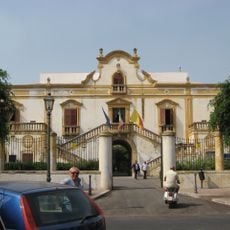
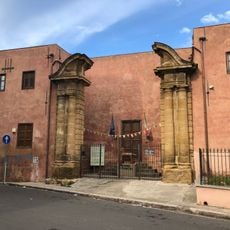
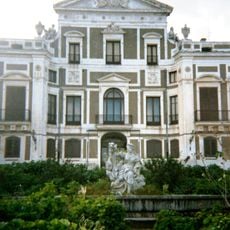
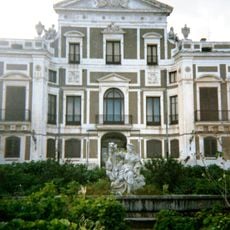
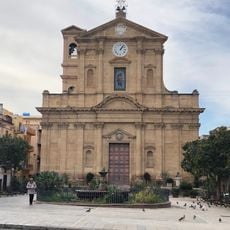
Villabate is a small town in the Metropolitan City of Palermo, Sicily, with around 18,000 residents located in flat valley terrain. The town features narrow streets lined with modest houses and cafes, centered around a main square where the Church of Saint Agatha, built in the 1800s, stands as the focal point alongside historic palaces like Palazzo Auria and Palazzo Termine.
Archaeological finds in the nearby Cave of Cannita show the area was settled since prehistoric times, possibly by Phoenician traders who navigated the Eleuterio river. Villabate itself was founded in 1700 by landowner Antonino Agnello, gained independence from Palermo in 1816 under its first mayor Ignazio Pitarresi, and later participated in Italy's unification efforts.
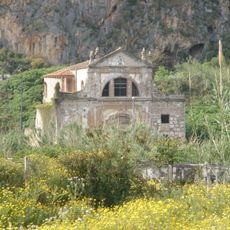
The name Villabate comes from landowner Antonino Agnello, who built a small chapel and houses for workers in the 1700s. Today the streets are marked by community life and traditions, especially during the March celebration of Saint Joseph, when families gather to share local food and participate in processions through town.
The flat terrain makes the town easy to walk around, especially in the central square and shopping areas where locals gather. Local bus lines connect different parts of town, though a car is helpful for visiting nearby sites like the Cannita Cave or exploring surrounding villages such as Ficarazzi and Misilmeri.
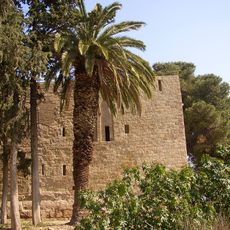
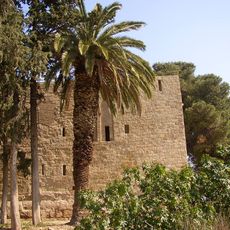
The nearby Cave of Cannita holds prehistoric remains and artifacts showing people lived here thousands of years before Rome was built, a detail many visitors miss when passing through. Nearby stand remains of a Spanish-era tower built to defend the coast against Turkish pirates, adding another layer of hidden history to the landscape.
The community of curious travelers
AroundUs brings together thousands of curated places, local tips, and hidden gems, enriched daily by 91,378 contributors worldwide.