Lodi, Medieval commune in Lombardy, Italy
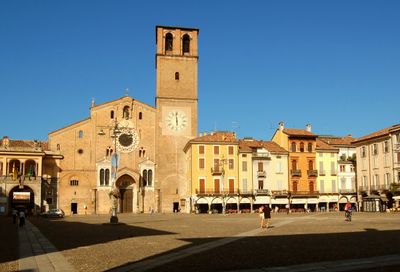
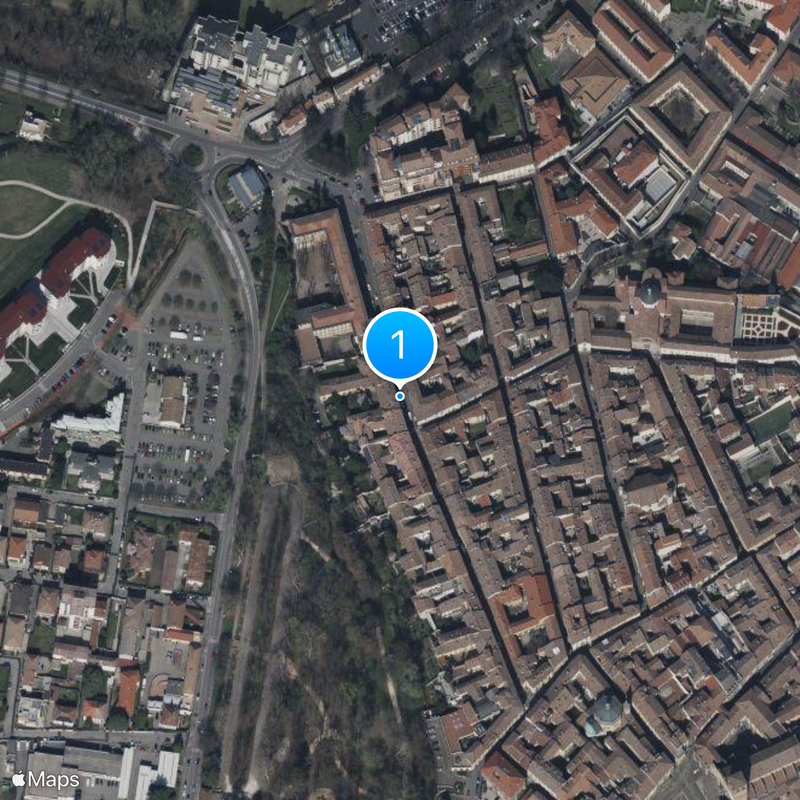
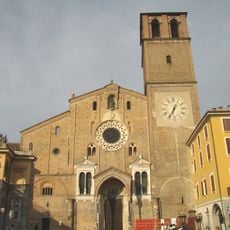
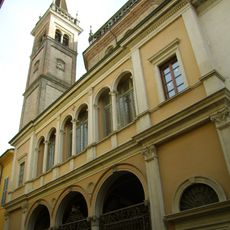
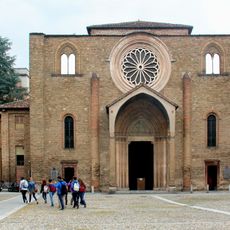
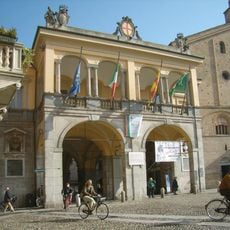
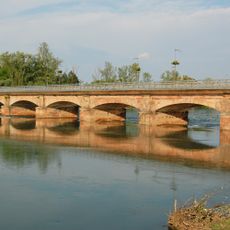
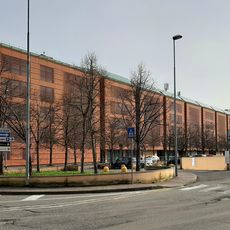
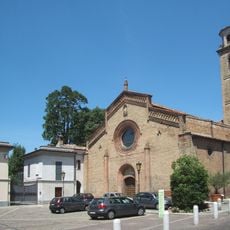
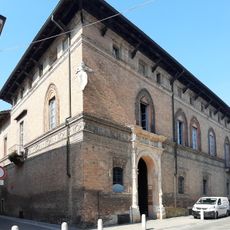
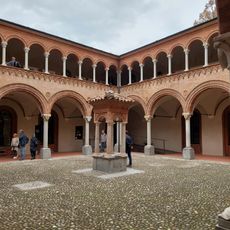
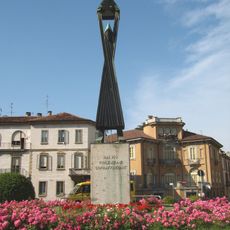
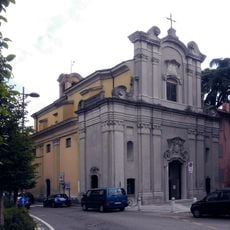
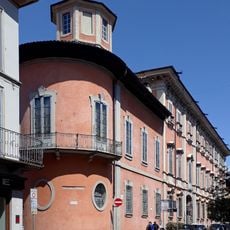
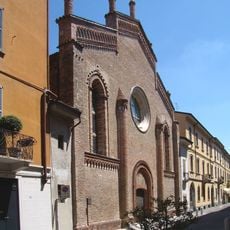
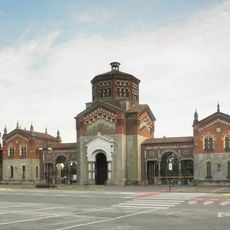
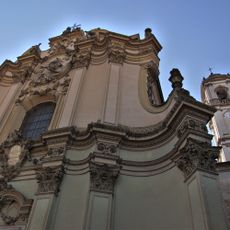
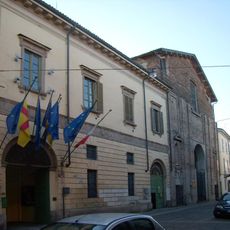
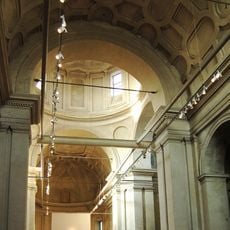
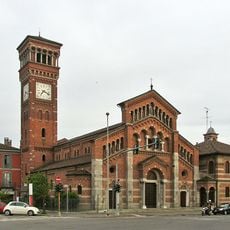
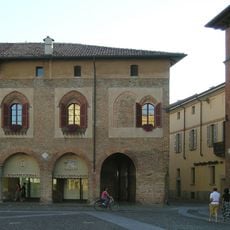
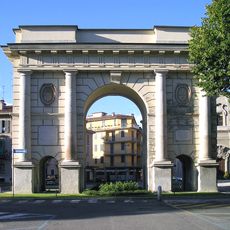
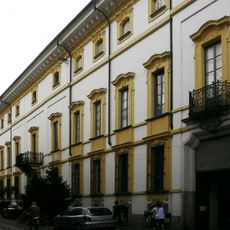
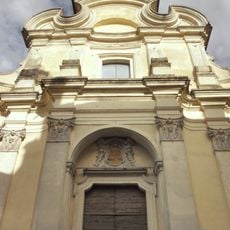
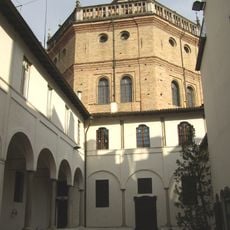
Lodi is a town in the Province of Lodi in Lombardy, Italy, stretching along the western bank of the Adda River. Streets run in a grid around a central piazza, where churches and palaces stand with Gothic arches and Baroque facades.
The settlement was founded in 89 BC under the name Laus Pompeia and destroyed in 1111 after an attack by Milan. Frederick Barbarossa had the town rebuilt in 1158 at its present site and granted it imperial privileges.
The name comes from the Latin Laus Pompeia and recalls Roman origins, though the current layout reflects its medieval rebirth. Residents shop for cheese and cured meats at the weekly market, which fills the squares with local produce from the surrounding farmland.
The train station lies south of the center and offers connections to Milan and Piacenza with regular trains during the day. Visitors can explore the old town on foot, as the main sights sit close together and are easy to reach.
In 1220 the inhabitants created an artificial network of rivers and channels that turned dry soil into fertile fields. This system still supplies the farmland around the town today and shapes the landscape of the entire surrounding area.
The community of curious travelers
AroundUs brings together thousands of curated places, local tips, and hidden gems, enriched daily by 60,000 contributors worldwide.