Greci, Italian comune
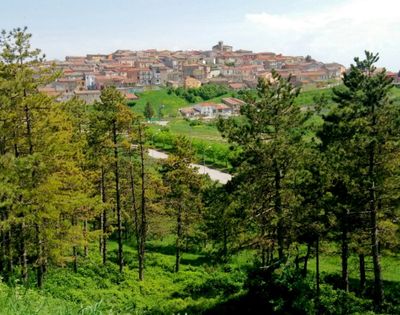
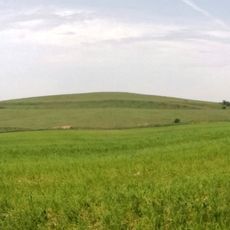
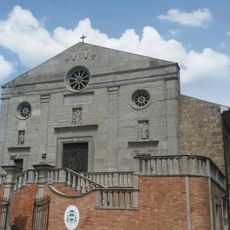
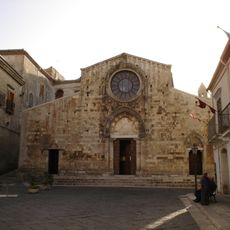
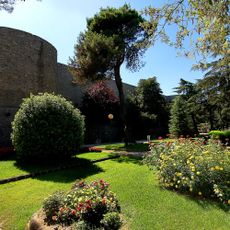
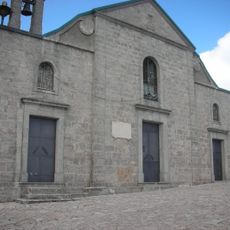
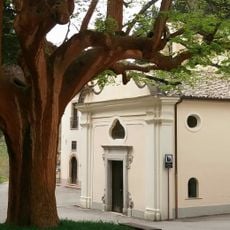
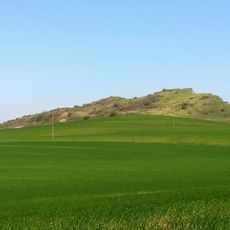
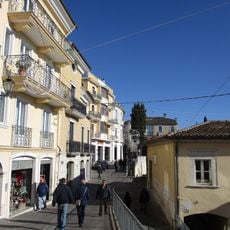
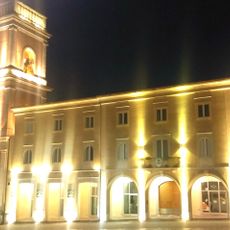
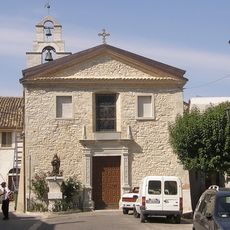
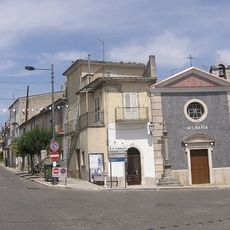
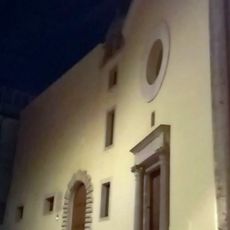
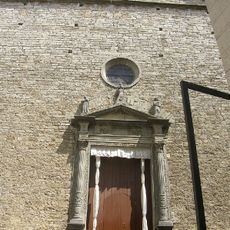
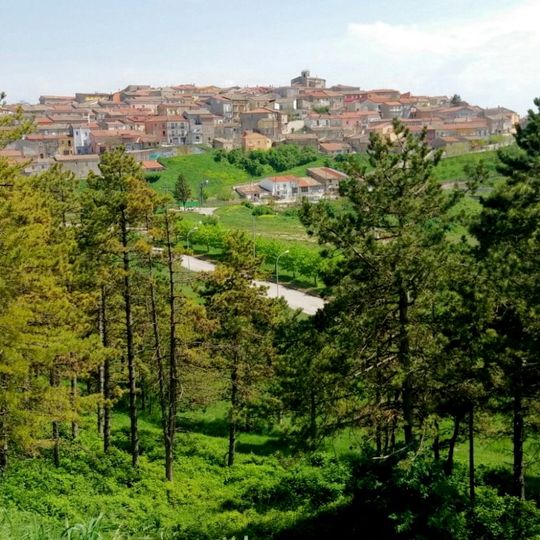
Greci is a small commune in the province of Avellino in Campania, situated on a hill in the Cervaro Valley and surrounded by fields, pastures, and woods. The village has a mix of older and newer buildings, with the Church of San Bartolomeo from the 17th century and Palazzo Lusi from the 18th century standing as prominent structures at the heart of the settlement.
Greci was originally founded under Justinian in 535 and served as a Byzantine center before being destroyed by Saracens in 908 and rebuilt about 80 years later. In the 15th century, Albanian communities settled here and brought their language and culture, transforming the village into a unique blend of Italian and Albanian influences.
Greci is home to a community with Albanian roots whose ancestors settled here in the 15th century and have preserved their language, customs, and traditions to this day. The Arbëreshë culture shows itself in the white houses with flat roofs, local festivals like the celebration of Saint Bartholomew on August 25th, and in traditional foods such as muxhela and cheese that are passed down from generation to generation.
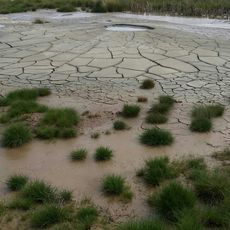
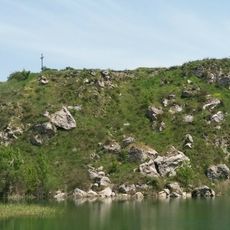
The village is about an hour's drive from Avellino and offers simple lodging options such as small hotels and bed and breakfasts for visitors. The surroundings with the nearby lake Luzza Acqua Fets are well suited for quiet walks, nature outings, and picnics, with the milder seasons being the best time to visit.
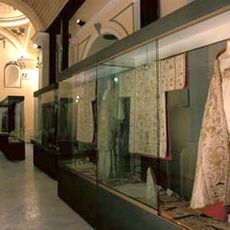
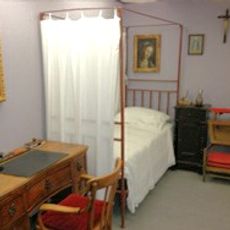
Giuseppe Vedovato, a former president of the Council of Europe, was born in this small mountain village, and his life and career are documented in a museum dedicated to local history. This connection to an international figure makes Greci a often-overlooked place with a remarkable global link.
The community of curious travelers
AroundUs brings together thousands of curated places, local tips, and hidden gems, enriched daily by 90,986 contributors worldwide.