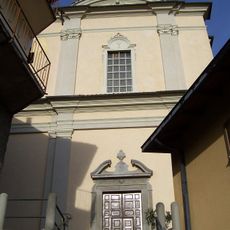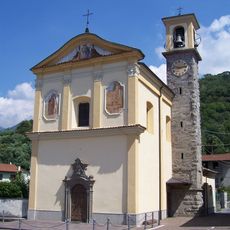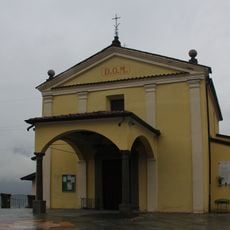
Pisogne, Italian comune
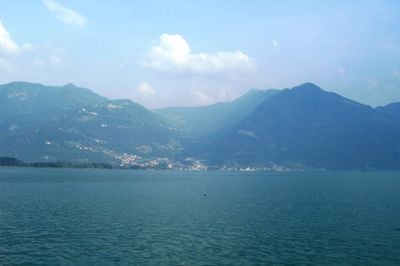
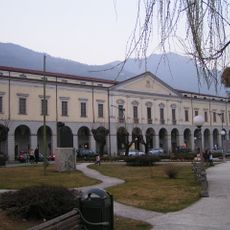
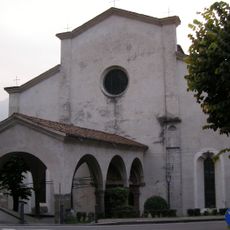
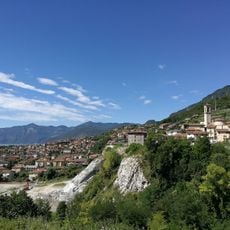
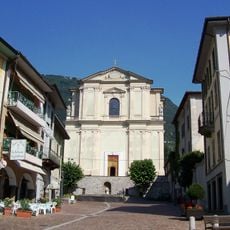
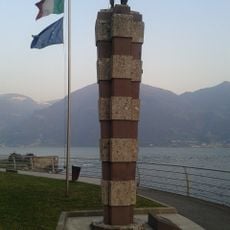
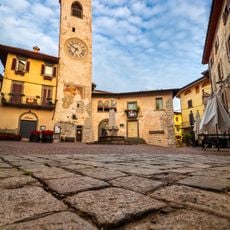
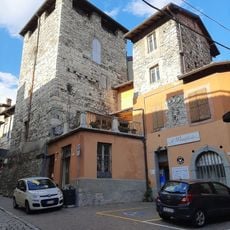
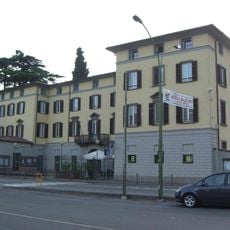
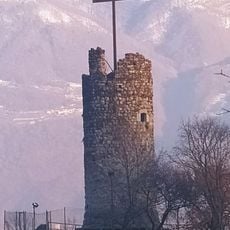
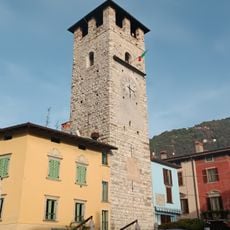
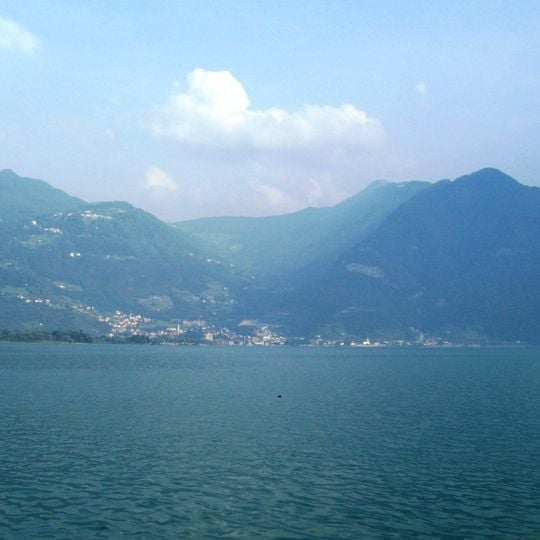
Pisogne is a commune in the Province of Brescia on the northern shore of Lake Iseo, where mountains meet water. The town spreads across narrow alleys and colorful buildings, with a lively main square and a lakeside path that invites peaceful walks.
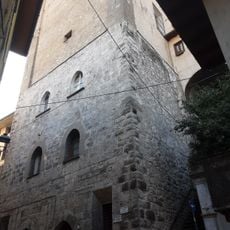
Settlement in Pisogne dates back to the Bronze Age and later became a trade hub between mountains and valleys along the Roman Via Valeriana. During the Middle Ages and Renaissance, the town developed as an important art center, particularly known for Romanino's fresco cycles in local churches.
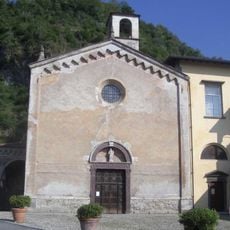
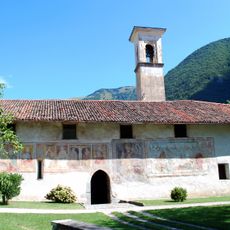
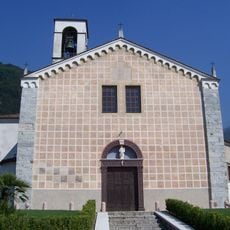
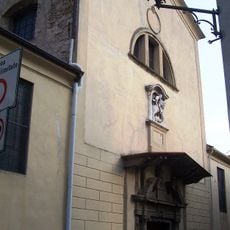
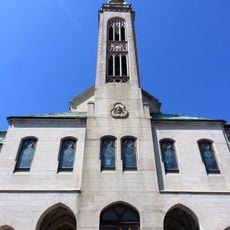
Pisogne became known during the Renaissance for its painters, especially Girolamo Romanino, whose frescoes in the church of Santa Maria della Neve depict the Passion of Christ. Today this artistic tradition continues through the Mirad'Or, a modern pavilion on the waterfront that hosts contemporary art exhibitions and blends historic heritage with new cultural expression.
Regular train service from Brescia to Iseo and Edolo stops at Pisogne station, making travel easy without a car. The town offers many lodging options from campsites to lakeside hotels, and well-marked walking and cycling paths crisscross the entire area.
The frescoes in the church of Santa Maria della Neve were painted by Romanino specifically for people who could not read, to convey religious stories through images. This art form made complex themes like faith and history accessible to all and created a visual narrative of remarkable power.
The community of curious travelers
AroundUs brings together thousands of curated places, local tips, and hidden gems, enriched daily by 92,151 contributors worldwide.