Soča, Alpine river between Julian Alps and Adriatic Sea in Slovenia and Italy
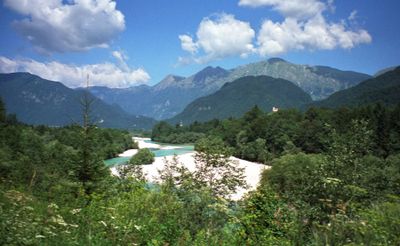
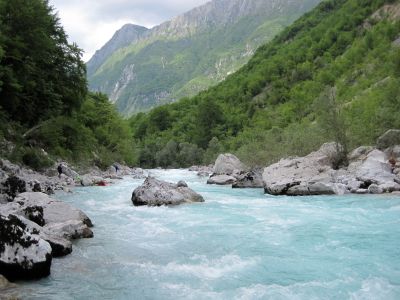
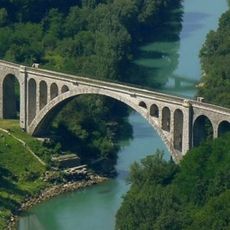
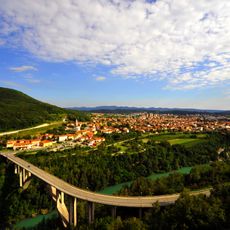
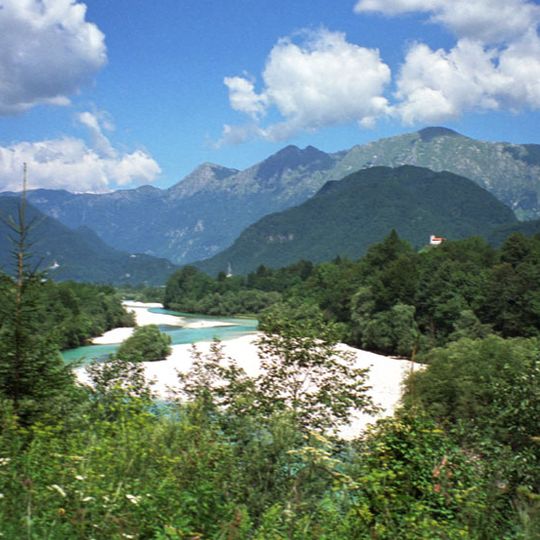
The Soča is a river known for its distinctive turquoise waters created by limestone minerals, flowing roughly 137 kilometers through mountainous terrain between Slovenia and Italy. The waters wind through dramatic valleys and narrow canyons, creating a landscape where alpine peaks rise sharply on both sides.
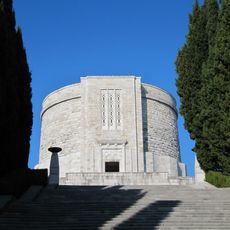
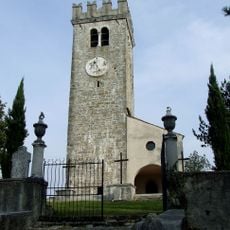
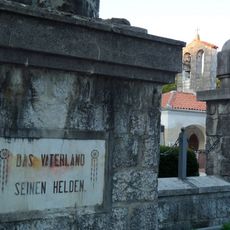
The river became a major battlefront during World War I between Italian and Austro-Hungarian forces from 1915 to 1917, when fighting reshaped the valley. After the war, the border between the two nations was redrawn along parts of the river.
The river shapes how local communities in the region live and work, with fishing and outdoor activities deeply rooted in daily life along its banks.
The upper reaches provide good conditions for water sports with established entry points near Bovec and Kobarid, making these towns convenient starting points for visitors. Plan visits during warmer months when water levels are manageable for recreational activities.
The water stays around 12°C year-round because it emerges from underground springs high in the mountains rather than melting glaciers. This steady cold temperature supports specialized plant and animal life that visitors can observe along the banks.
The community of curious travelers
AroundUs brings together thousands of curated places, local tips, and hidden gems, enriched daily by 92,861 contributors worldwide.