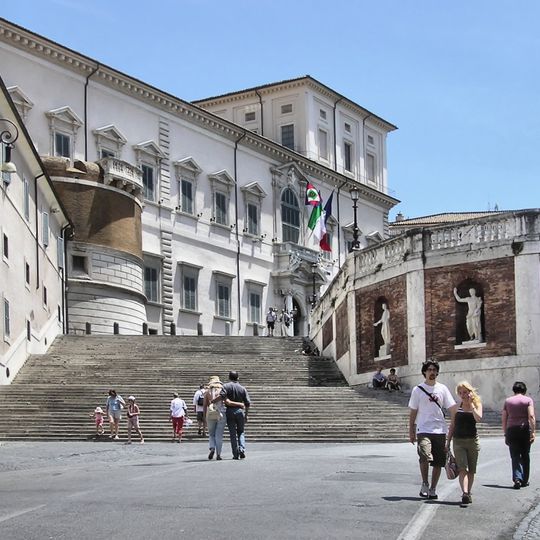
Quirinal Hill, Ancient hill in central Rome, Italy.
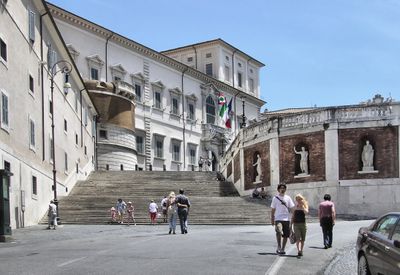
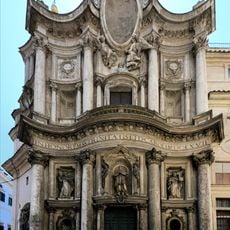
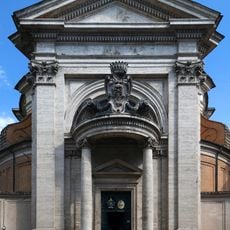
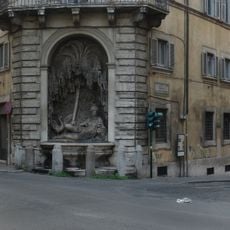
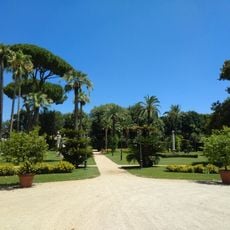
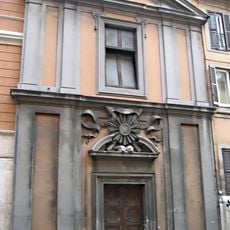
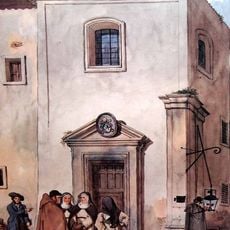
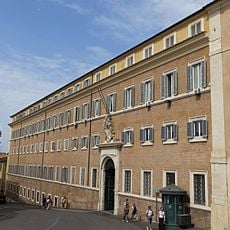
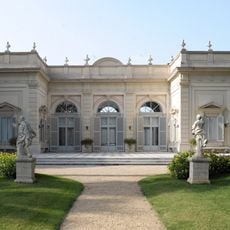
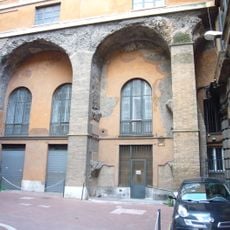
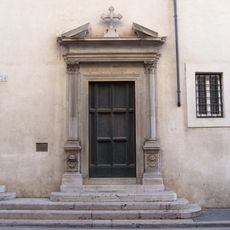
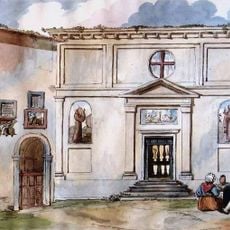
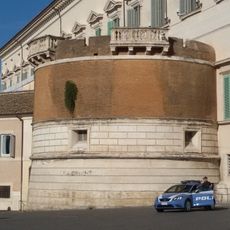
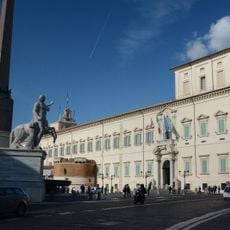
The Quirinal Hill is one of the seven original elevations of Rome and shapes the cityscape with its historic buildings and gardens. The hilltop hosts the Presidential Palace alongside smaller churches and public spaces that visitors can walk through and around the slopes.
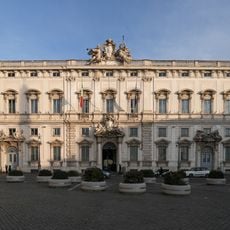
Tombs from the 8th–7th century BC confirm a Sabine settlement, and Livy dates the hill's entry into Rome to the reign of Servius Tullius in the 6th century BC. A temple to Sancus was dedicated in 446 BC, and Augustus later ordered one to Mars. Pope Gregory XIII began the Quirinal Palace in 1574 on the advice of a visit to Cardinal Luigi d'Este's villa; it served the popes until 1870, then Italy's kings until 1946.
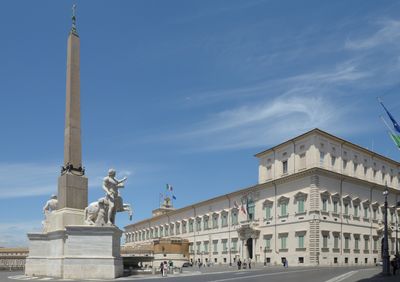
The hill's name comes from Quirinus, the Sabine god worshipped here; Romans called themselves Quirites. The palace, begun in 1574 under Gregory XIII as a summer residence, holds tapestries, paintings, carriages, clocks and porcelain. Since 1946 it has housed the President, and "the Quirinal" stands for the presidency itself.
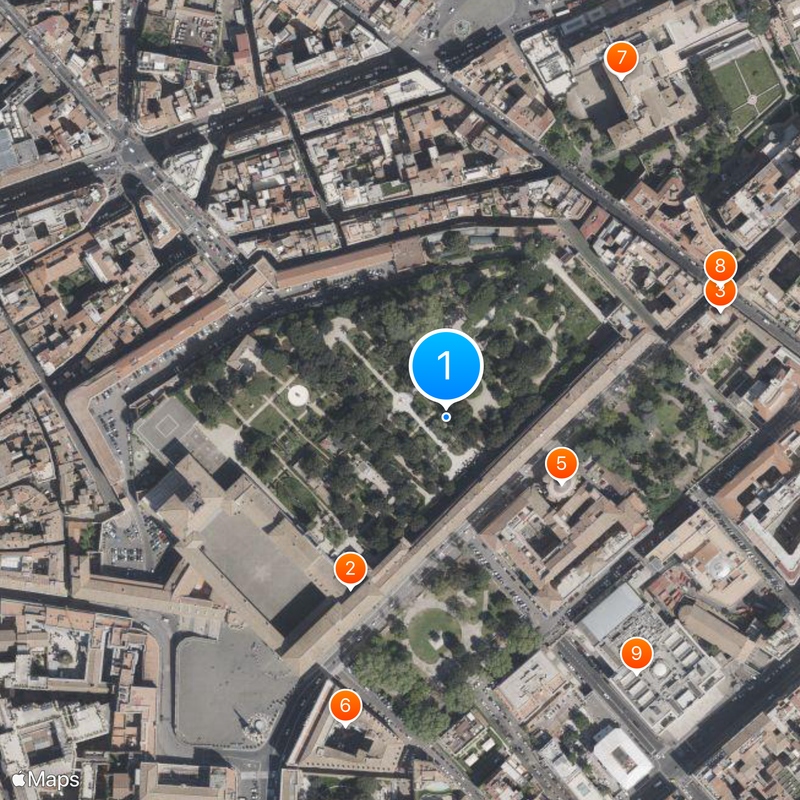
The hill is easy to reach on foot; from the Trevi Fountain or Via Nazionale the walk is short and straightforward. Barberini metro station sits nearby and works well as a starting point for exploring the wider area.
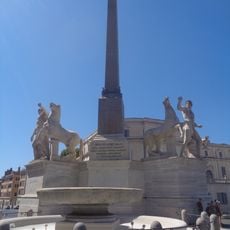
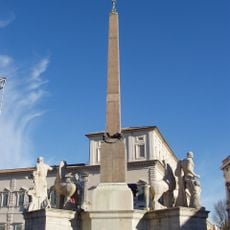
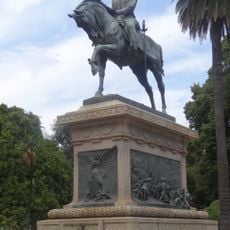
The hill's medieval name, Monte Cavallo, came from the two colossal marble Horse Tamers, statues of Castor and Pollux with their horses. They stood in the Palazzo Pallavicini-Rospigliosi before being re-erected in 1588 on the sloping Piazza del Quirinale, where they still face the palace.
The community of curious travelers
AroundUs brings together thousands of curated places, local tips, and hidden gems, enriched daily by 95,356 contributors worldwide.