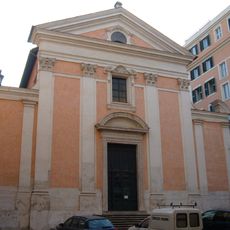
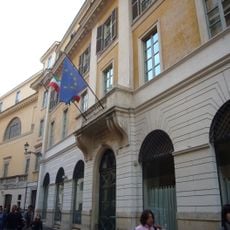
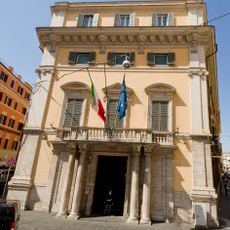
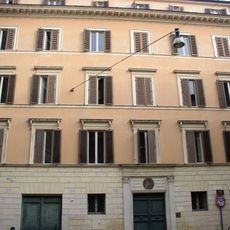
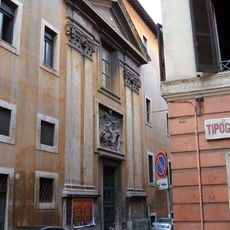
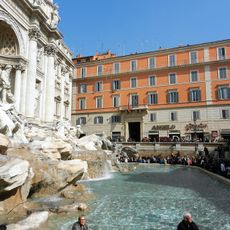
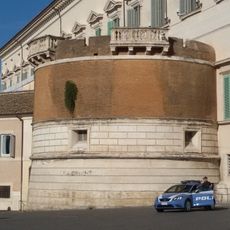
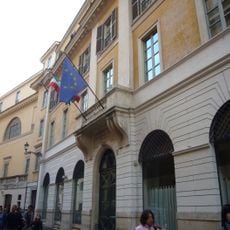
Museum of pasta food, Food museum in Palazzo Skanderbeg, Rome, Italy.
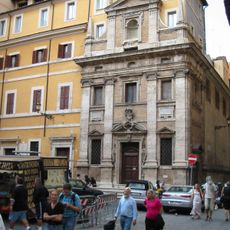
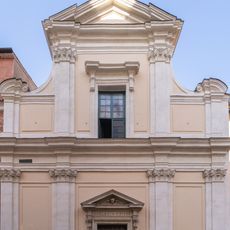
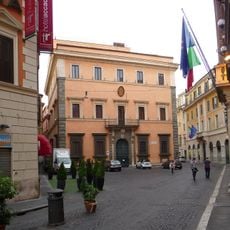
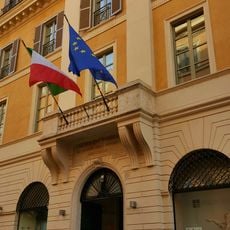
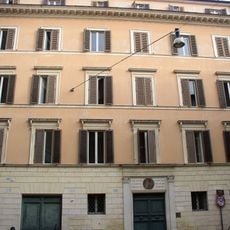
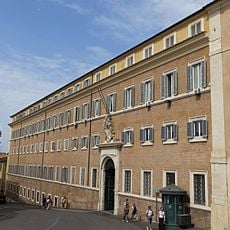
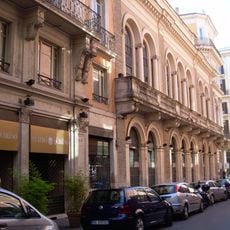
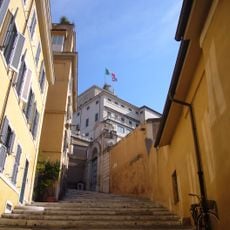
The Museo nazionale delle paste alimentari occupies Palazzo Scanderbeg at Piazza Scanderbeg 117, in the Trevi district of Rome. Its eleven rooms on two levels, one of them semi-underground, cover wheat pasta, its origins, manufacture and conservation methods. Exhibits include a millstone, models of production machines, artisan presses with dies, and a working paleo-industrial pasta plant. The museum has been closed to the public since 2007.
The museum opened in 1993, built around a collection assembled by the Agnesi family, who operated one of the oldest pasta factories in Italy. Their archive helped show that pasta production in the Mediterranean region predates the trade routes often credited with introducing it.
The museum's cultural activity centres on the Premio del Museo, a competition set up by the Fondazione Vincenzo Agnesi in 1992 to promote pasta culture through different artistic and cultural forms; by 2022 it had reached its 23rd edition. The foundation also ran a specialised public library of over 1,000 volumes on the history, culture and production of pasta, and kept a collection of edicts and pasta-factory catalogues.
The museum occupies Palazzo Scanderbeg at Piazza Scanderbeg 117, in the Trevi district, and has been closed to the public since 2007, so visits are not currently possible. The exhibition was arranged over eleven rooms on two floors, one of them semi-underground. The foundation that ran it has since pursued new museum projects, including an agreement with the municipality of Pontedassio in 2021.
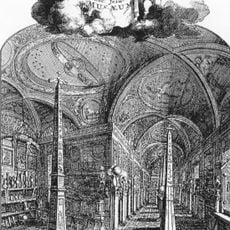
The museum holds a library focused entirely on pasta making, with historical photographs that document techniques and tools from different eras. Many of the methods shown in these images are no longer practiced and exist today only in this kind of archive.
The community of curious travelers
AroundUs brings together thousands of curated places, local tips, and hidden gems, enriched daily by 94,049 contributors worldwide.