Aquae Cutiliae, Archaeological site at Cittaducale, Italy
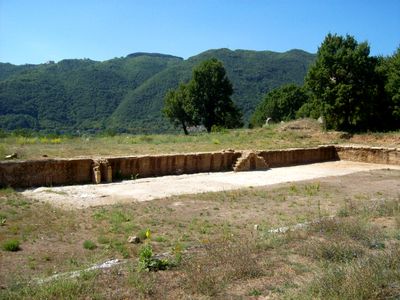
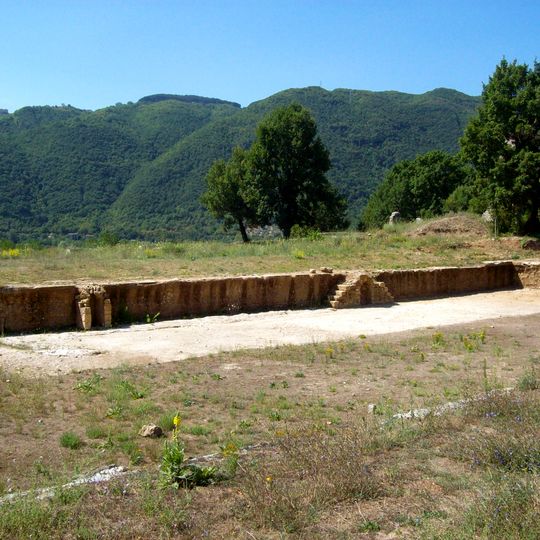
Aquae Cutiliae is a Roman archaeological site near Cittaducale featuring remains of thermal baths spread across four terraces. The complex includes a central swimming pool measuring 60 by 24 meters carved into solid rock and preserved heating systems from the Flavian period.
Emperor Vespasian died at these thermal springs in 79 AD, and his son Titus followed him, making this location significant in Roman imperial history. The site demonstrates the importance these waters held for the ruling class.
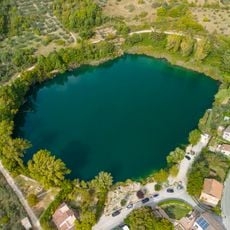
The springs near Lake Cutilia held religious meaning for the Sabine people, who dedicated the waters to their goddess Vacuna and controlled access to the site. This sacred use reveals how communities connected natural mineral sources to their spiritual beliefs and practices.
The site is straightforward to explore since the four terraces make the ancient complex easy to understand and navigate. Visitors should wear sturdy shoes as the stone surfaces can be uneven and conditions vary depending on the season.
The mineral waters created floating islands through plant petrification, leading ancient writers to consider this spot the center of Italy. This natural phenomenon made the location remarkable to Roman observers as a geological wonder.
The community of curious travelers
AroundUs brings together thousands of curated places, local tips, and hidden gems, enriched daily by 92,646 contributors worldwide.