Alba Longa, Ancient city-state near Lake Albano, Italy
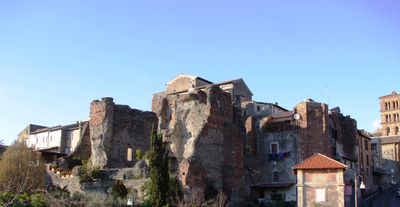
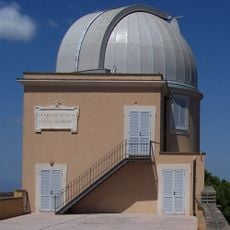
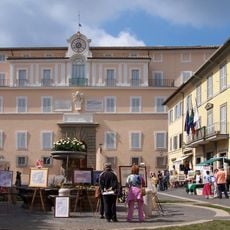
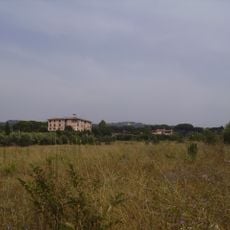
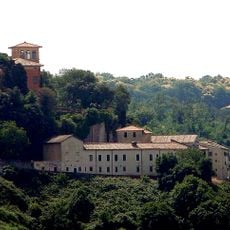
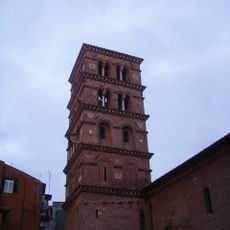
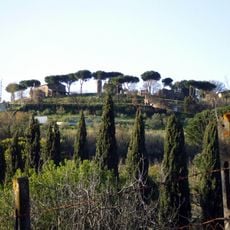
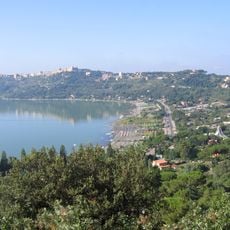
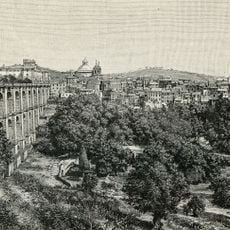
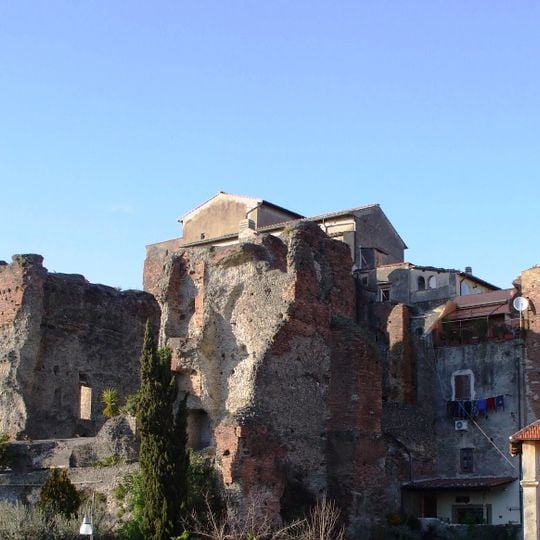
Alba Longa was a Latin settlement spread across a ridge in the Alban Hills roughly 19 kilometers southeast of Rome. The remains lie near present-day Castel Gandolfo and consist of scattered villages rather than a single large urban center.
The settlement arose around 1200 BC as a Latin community and prospered for centuries. In the 7th century BC, Rome under King Tullus Hostilius conquered and destroyed it.
The Temple of Vesta served as a pilgrimage site for surrounding Latin communities in the region. Religious ceremonies took place there before Rome adopted and spread similar practices to other settlements.
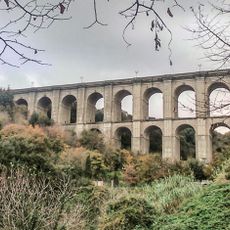
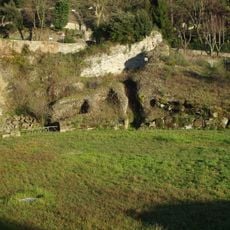
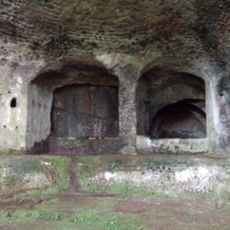
The location sits on hilly terrain shaped by the Alban Mount with uneven topography throughout. Visitors should expect hiking paths and fragmented remains since archaeological evidence is scattered across the hillside.
A legendary duel between the Horatii and Curiatii brothers determined the city's fate through ritual combat between three fighters on each side. Later Roman historians recorded this story, though scholars debate whether the account reflects actual events.
The community of curious travelers
AroundUs brings together thousands of curated places, local tips, and hidden gems, enriched daily by 92,244 contributors worldwide.