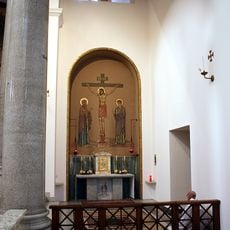
Aventine Hill, Hill in Rome, Italy
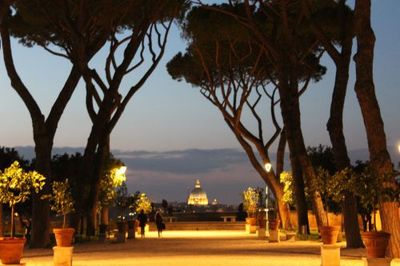
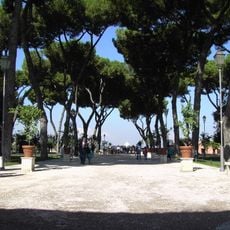
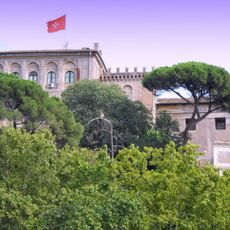
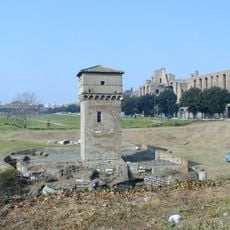
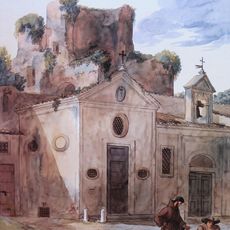
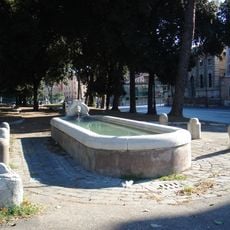
Aventine Hill is one of the seven classical hills of the city, located south of the ancient center on the left bank of the Tiber. Its two summits are separated by a narrow ravine that now serves as a roadway through the area.
The Aventine lay outside Rome's sacred boundary (pomerium) and was settled by Ancus Marcius with Latins from Politorium; a wall was later credited to Servius Tullius. Around 493 BC the Senate provided a temple for the plebeian triad of Ceres, Liber and Libera, and the Lex Icilia of 456 BC gave the plebs property rights there. In imperial times it became an aristocratic quarter, with private houses of Trajan and Hadrian.
The area transformed from a staging post for foreign influences into an aristocratic district, attracting emperors Trajan and Hadrian as residents.
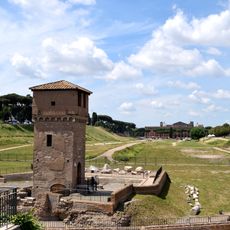
Visitors reach the site on foot from Marmorata street or Circus Maximus, as no public transport runs directly onto the hill. The ascent follows various roads and paths that suit a quiet walk through the neighborhood.
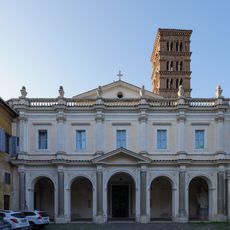
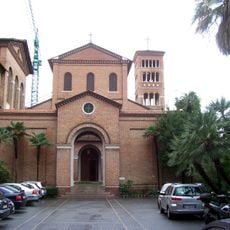
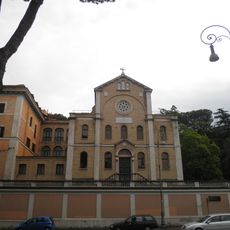
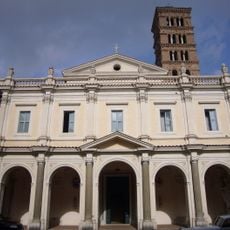
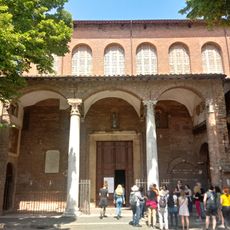
The Aventine's two heights are split by a steep cleft that carries the modern Viale Aventino; under Augustus this road became the boundary between Regio XIII, which took in the greater height, and Regio XII, which held the lesser one. The hill's top reaches 46.6 m above sea level, in front of the church of Santi Bonifacio e Alessio.
The community of curious travelers
AroundUs brings together thousands of curated places, local tips, and hidden gems, enriched daily by 92,710 contributors worldwide.