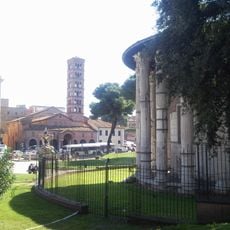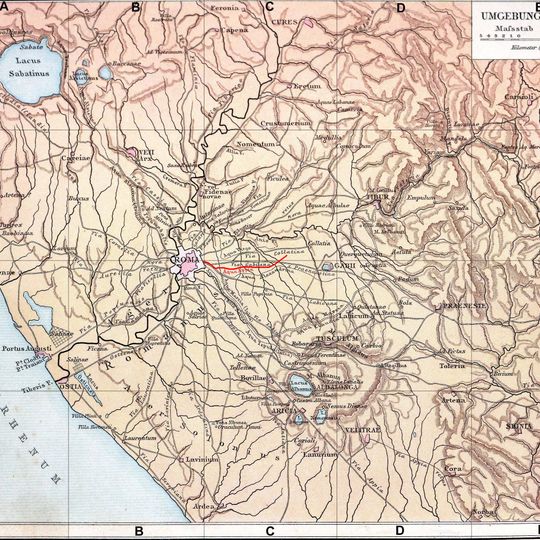
Aqua Appia, Roman aqueduct in Rome, Italy.
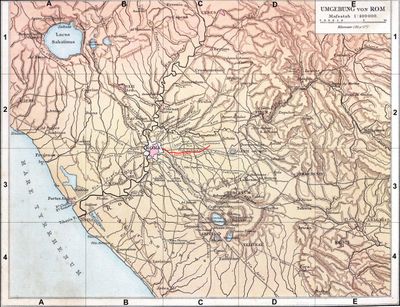
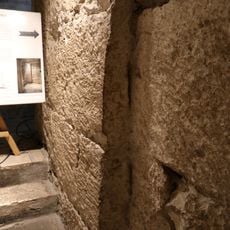
Aqua Appia is a Roman aqueduct in Rome that transported water from a spring through an underground channel system into the city. The construction employed a sophisticated network of passages that spanned around 16 kilometers and delivered water to the city center.
The structure was built in 312 BCE under Appius Claudius Caecus and was the first aqueduct to bring drinking water to Rome. Centuries later, Emperor Augustus expanded it by adding new water lines from additional springs.
The aqueduct takes its name from Appius Claudius Caecus, one of the censors who commissioned its construction. Visitors can still see remnants of the underground channel today, revealing how Romans engineered water delivery directly into the city.
The underground channel lies at considerable depth in many areas and access can be limited along much of the route. Visitors should allow adequate time and consider guided tours to properly explore the visible sections and archaeological remains.
Sections of the aqueduct remain hidden beneath the city today and can be glimpsed during archaeological excavations in Rome. These underground portions reveal Roman construction techniques and demonstrate how the system functioned across many centuries.
The community of curious travelers
AroundUs brings together thousands of curated places, local tips, and hidden gems, enriched daily by 60,000 contributors worldwide.