Aqua Augusta, Roman aqueduct in Campania, Italy
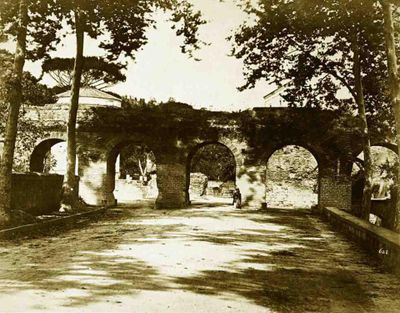
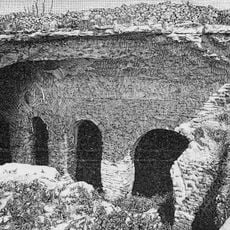
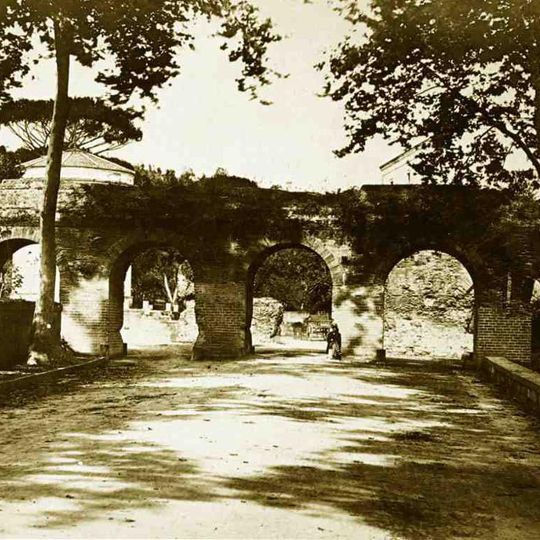
Aqua Augusta is a Roman aqueduct running roughly 140 kilometers across Campania to supply water to eight cities. The structure used both underground tunnels and raised stone arches, adapting its design to fit the region's varying topography.
Aqua Augusta was built between 30 and 20 BCE under Emperor Augustus to meet the water needs of rapidly growing Roman cities. The system transformed water supply in the region and allowed larger populations to flourish.
The aqueduct was vital to Roman daily life, bringing water to public fountains, bathhouses, and homes in multiple cities at once. The system shows how Romans organized their communities around reliable water access.
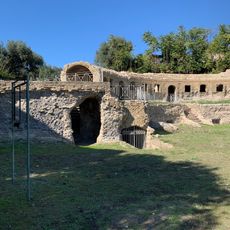
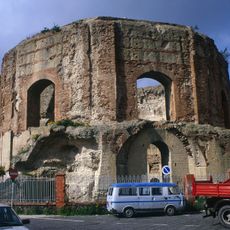
Visitors can see surviving sections of the aqueduct at several locations in the region, particularly at Ponti Rossi in Naples. It makes sense to explore different parts across multiple visits since they spread across a large area.
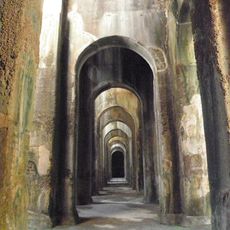
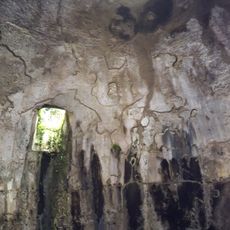
At the aqueduct's endpoint stands the Piscina Mirabilis, a massive underground reservoir carved directly into rock. This hidden chamber could hold about 12,600 cubic meters of water and ranked among the largest of its kind in the Roman world.
The community of curious travelers
AroundUs brings together thousands of curated places, local tips, and hidden gems, enriched daily by 92,612 contributors worldwide.