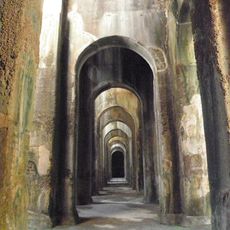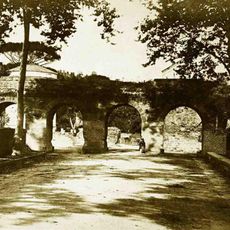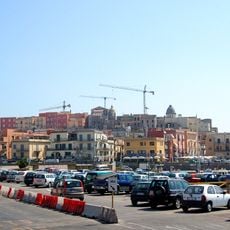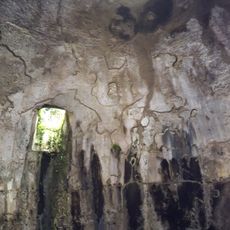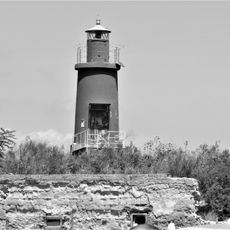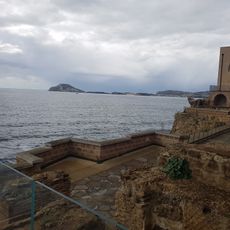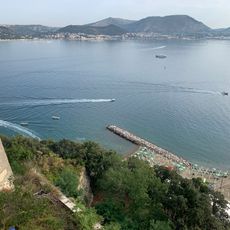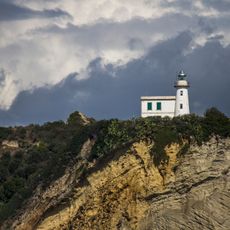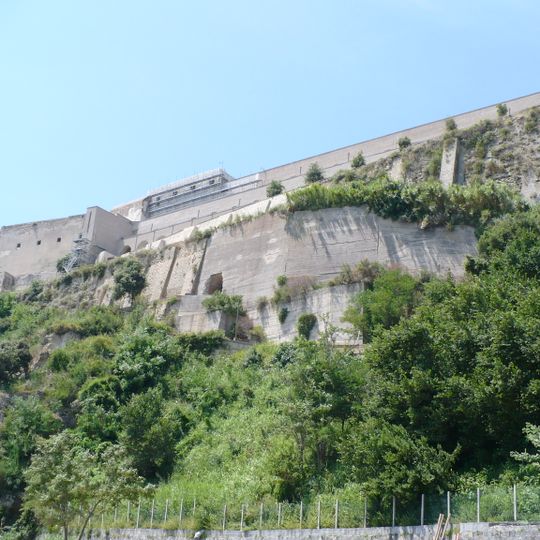
Castello Aragonese, Renaissance castle in Bacoli, Italy
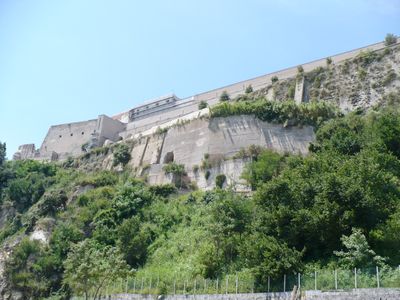
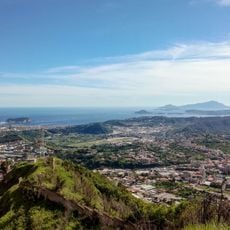
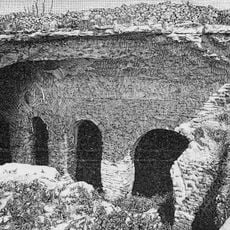
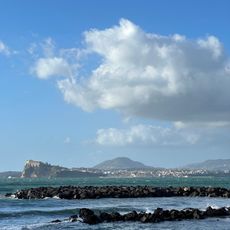
Castello Aragonese is a fortress built on a volcanic tuff promontory that rises above the Gulf of Pozzuoli, featuring defensive walls and military architecture from 1495. The structure was expanded and modified after volcanic activity disrupted the region in 1538.
Aragonese rulers built this fortress before the French invasion by King Charles VIII, then rebuilt and reinforced it following volcanic eruptions in the Phlegraean region.
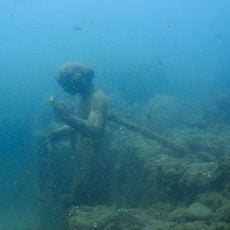
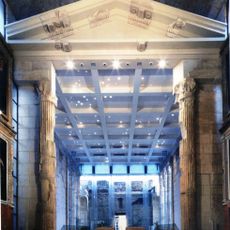
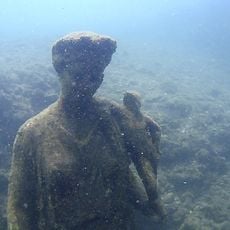
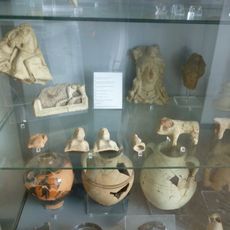
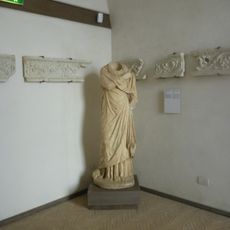
The Archaeological Museum of the Phlegraean Fields is housed inside the fortress and displays objects from Cumae, the submerged ruins at Baia, and Pozzuoli. Visitors can explore how these ancient places shaped the region's past.
The fortress sits on a hill with a straightforward walk to the entrance from the main area below. Most interior areas are accessible on flat ground, though some stairs and pathways can be uneven underfoot.
During World War II the fortress served different purposes over time, first as a military orphanage and then as a prisoner camp. After the war it provided shelter for residents displaced by an earthquake.
The community of curious travelers
AroundUs brings together thousands of curated places, local tips, and hidden gems, enriched daily by 91,721 contributors worldwide.