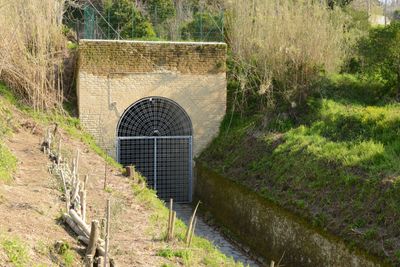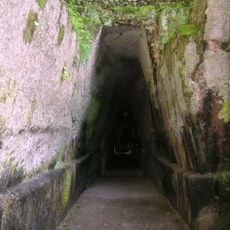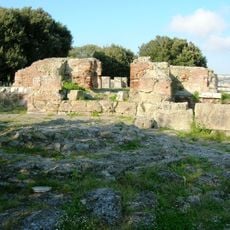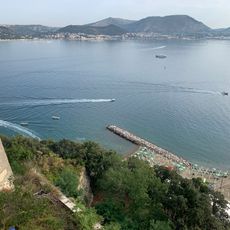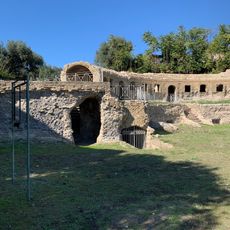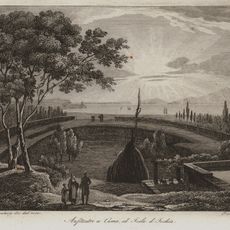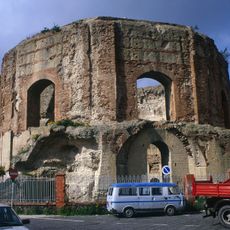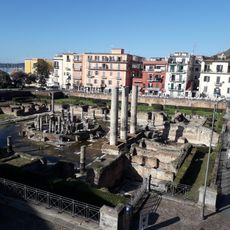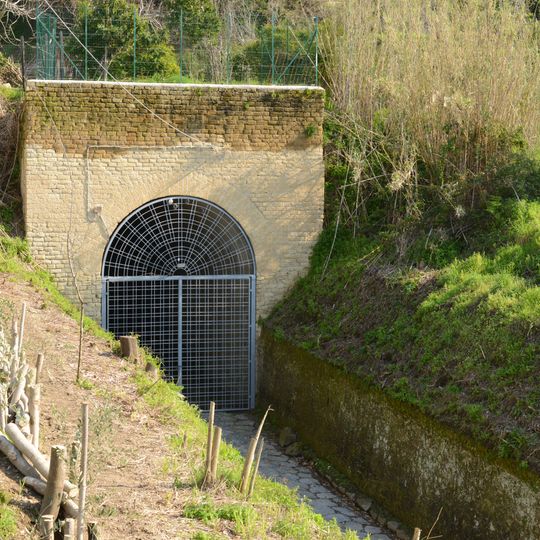
Grotta di Cocceio, Roman tunnel in Pozzuoli, Italy.
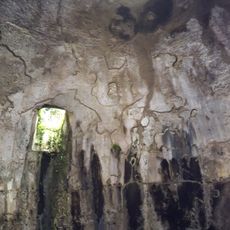
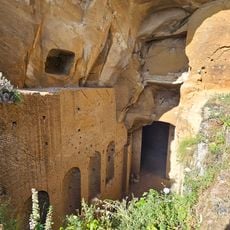
Grotta di Cocceio is an underground passage carved through volcanic rock near Pozzuoli, with a trapezoidal cross-section and width that allowed two carts to pass side by side. The roughly 1 kilometer long tunnel featured multiple ventilation shafts and an integrated water channel that supplied the nearby port.
The tunnel was built around 37 BC under the direction of Marcus Vipsanius Agrippa and connected the city of Cumae with Lake Avernus for military purposes. This project represented one of the first major engineering breakthroughs that showed how Romans could overcome difficult natural obstacles.
The tunnel bears the name of its builder Lucius Cocceius Auctus and still displays the craftsmanship of ancient workers carved into its walls. Visitors can see the carefully shaped surfaces and understand how important this passage was for Roman control of the region.
The entrance is nearby and accessible, but the interior is dark and can be damp, so bring a flashlight and wear non-slip shoes. The path is straight and level, but watch for uneven spots in the ancient floor surface.
The tunnel was one of the first major road tunnels in the world and demonstrates early solutions for conducting water underground. These Roman techniques for subsurface water systems were later copied in many other projects.
The community of curious travelers
AroundUs brings together thousands of curated places, local tips, and hidden gems, enriched daily by 90,893 contributors worldwide.