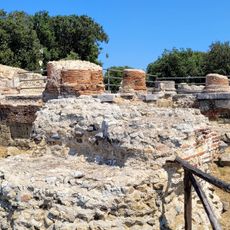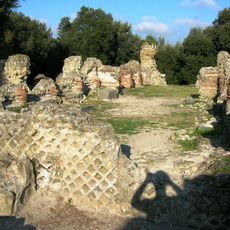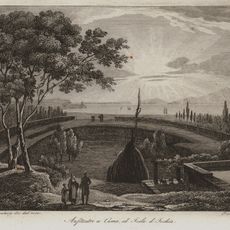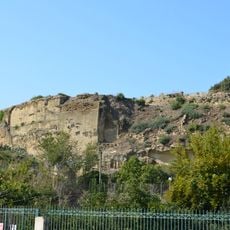
Cave of the Sibyl, Archaeological gallery in Pozzuoli, Italy
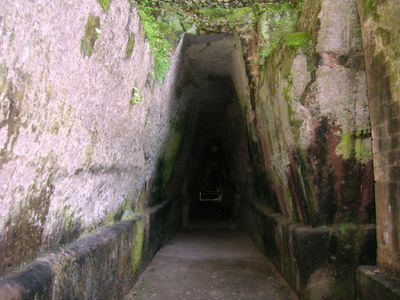
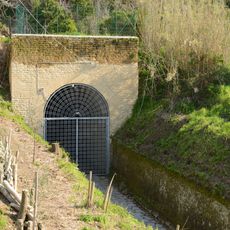
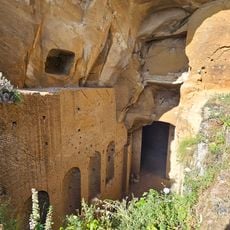
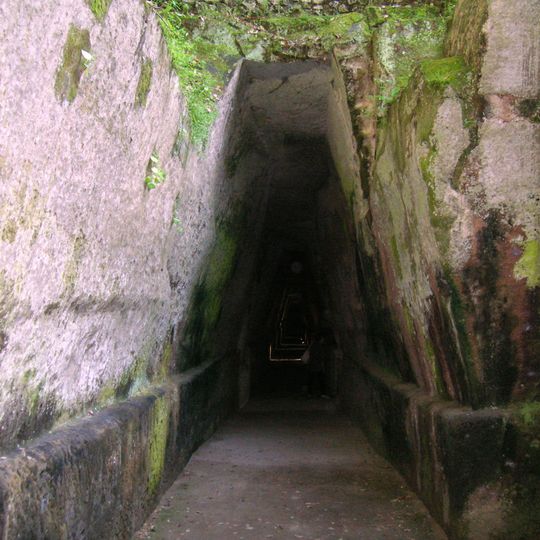
The cave of the Sibyl is an artificial gallery stretching 131 meters with a trapezoidal upper portion and a rectangular lower section. Nine openings pierce the western wall, allowing natural light to enter at intervals.
The gallery was excavated between the 7th and 6th century BC, possibly serving military purposes initially. Later modifications occurred under Augustus and during Byzantine times, adapting the space for different uses.
Ancient texts mention this cave as the dwelling of the Cumaean Sibyl, a prophetic priestess who delivered oracles to visitors seeking divine guidance.
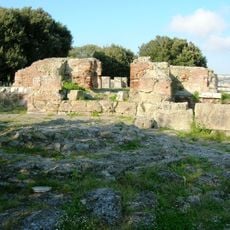
The entrance leads to a network of three chambers, originally functioning as water cisterns. These rooms were later repurposed for burials, as archaeological evidence shows.
The tunnel ends in a room with a flat vault and three niches, where the eastern niche channels light into the interior. Ancient tradition links this spot to the chamber of the prophetess, though scholars continue to debate this interpretation.
The community of curious travelers
AroundUs brings together thousands of curated places, local tips, and hidden gems, enriched daily by 91,825 contributors worldwide.