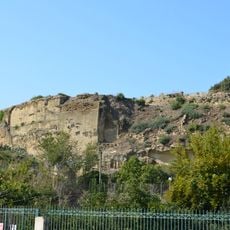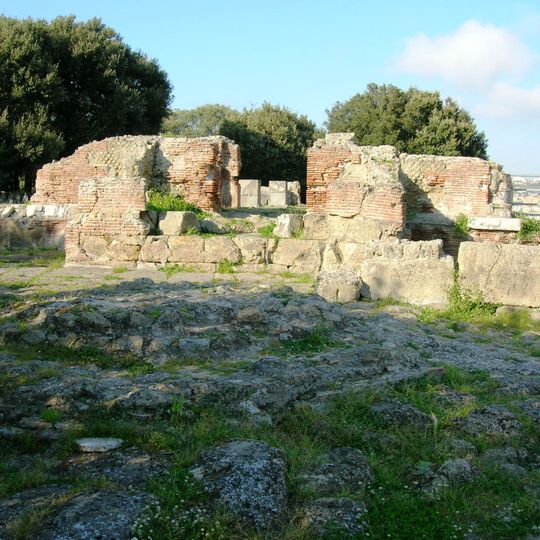
Scavi archeologici di Cuma, Archaeological site in Pozzuoli, Italy.
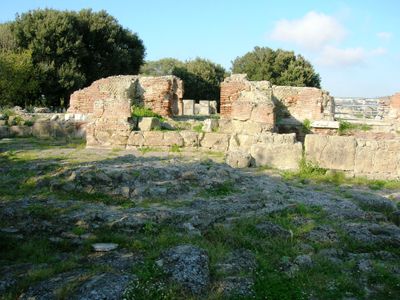
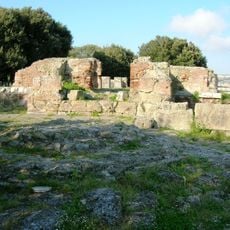
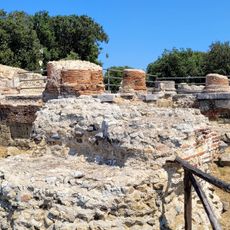
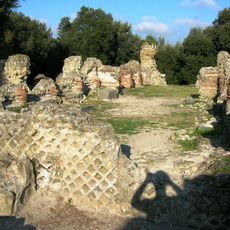
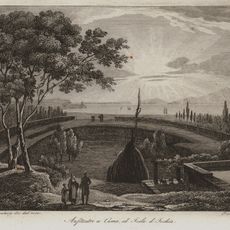
The Cuma excavations reveal layers of settlement from two major periods spanning both Greek and Roman times. Structures including temples, an amphitheater, and houses are scattered across multiple terraces on the slopes of Mount Cuma, showing how the community was organized and how people lived.
Greek colonists from Chalcis founded Cuma around 730 BCE as the earliest Greek settlement on Italian soil. After some 400 years, Roman control transformed the site with new construction and a shift in how the community developed.
The Temple of Apollo was later transformed into a Christian basilica, showing how spiritual life shifted over centuries at this location. At the highest point of the acropolis stands the Temple of Jupiter, and both buildings continue to define the character of the site today.
The site is reached by marked pathways connecting the different levels of the excavations, with consideration for visitors with mobility concerns. Wear sturdy shoes and bring water, as the terrain slopes steeply and the sun exposure can be strong throughout the day.
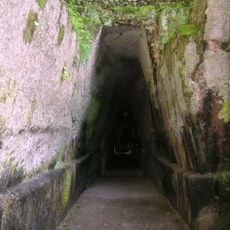
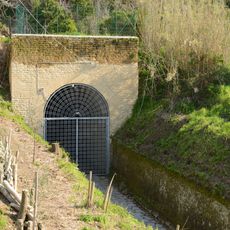
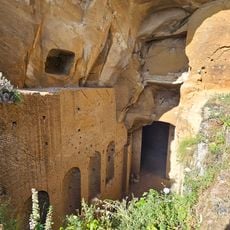
A tunnel called the Sibyl's Cave stretches about 130 meters through volcanic rock and served as sanctuary for the famous Oracle of Cumae. This remarkable passage with its trapezoidal shape reveals the engineering skill of ancient builders and remains accessible to visitors.
The community of curious travelers
AroundUs brings together thousands of curated places, local tips, and hidden gems, enriched daily by 91,328 contributors worldwide.