Tempio di Apollo, Roman temple in Pozzuoli, Italy
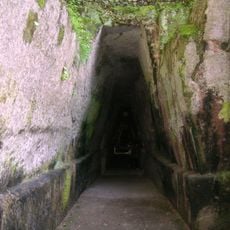
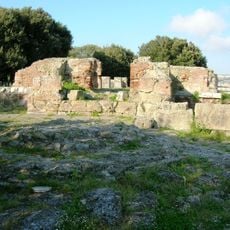
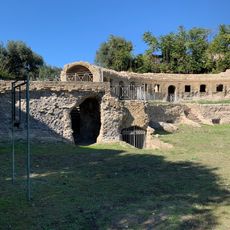
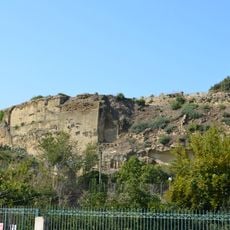
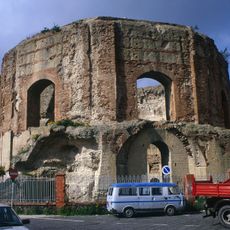
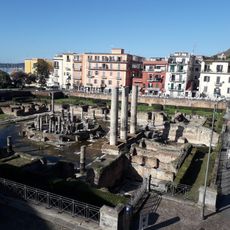
The Tempio di Apollo is an ancient sanctuary in Cumae, an archaeological site near Pozzuoli in Campania. It stands on a tufa stone base, with a columned front porch and an interior divided into three sections by stone pillars.
The sanctuary was first built by Greek settlers in the 6th century BC. During the reign of Augustus, it was rebuilt and given the Roman form that is visible today.
Virgil's Aeneid tells that Daedalus, after escaping the labyrinth, landed at Cumae and consecrated his wings to Apollo in this temple. The marble inscription naming the "Apollo Cumano" allowed excavators to identify the building in 1912. Inside, the octagonal baptismal font on the south side of the cella marks the Christian phase.
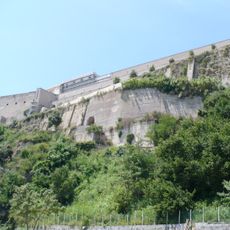
The site sits on a hill, so sturdy footwear is a good idea for walking around the structure and the surrounding terrain. Visiting in the morning allows for a more relaxed look at the columns, the interior, and the views from the hilltop.
The temple was rediscovered in 1912 and identified by a marble inscription referring to the Apollo Cumano. The site had been abandoned after Cumae was depopulated in the 13th century, so the building lay forgotten for roughly six hundred years.
The community of curious travelers
AroundUs brings together thousands of curated places, local tips, and hidden gems, enriched daily by 93,669 contributors worldwide.