Palazzo Adriano, Italian comune
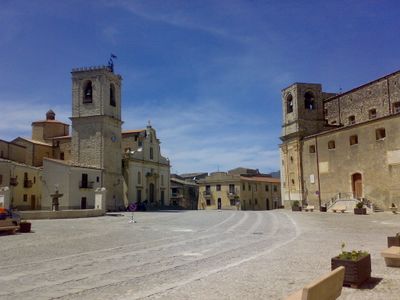
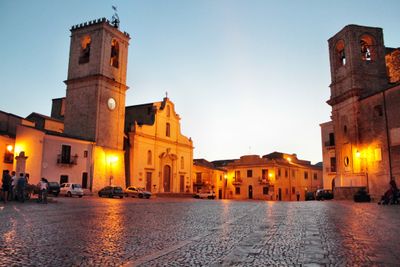
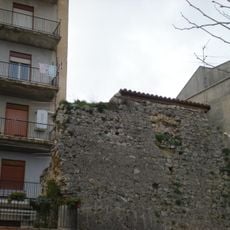
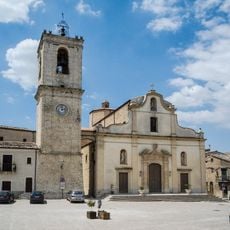
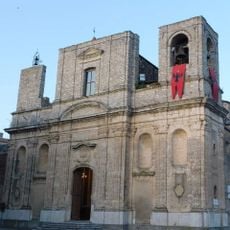
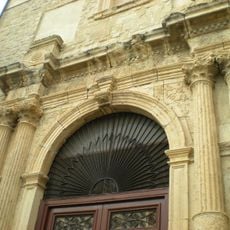
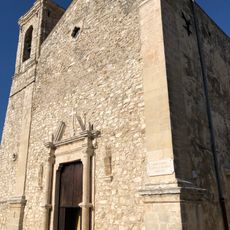
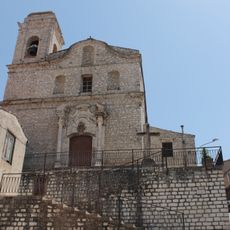
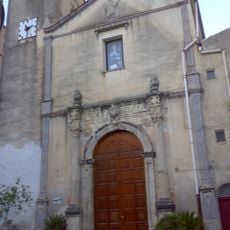
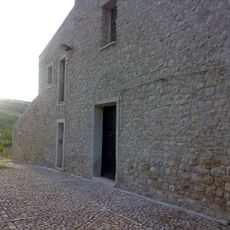
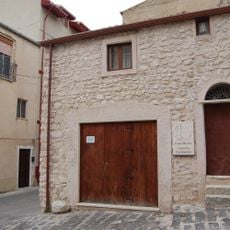
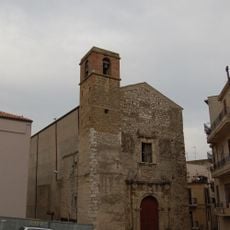
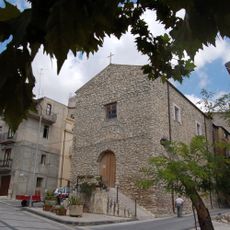
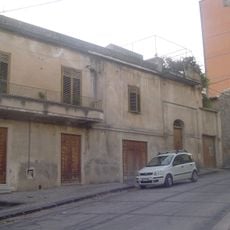
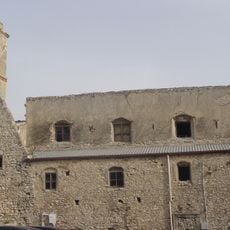
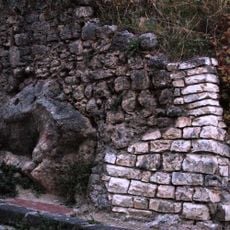
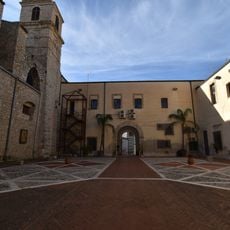
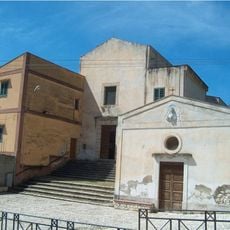
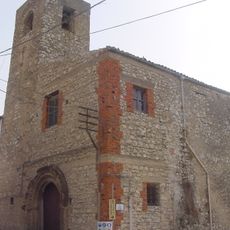
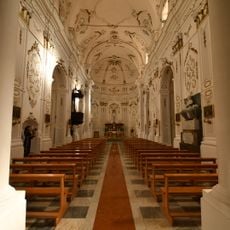
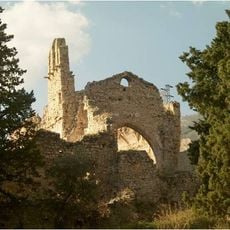
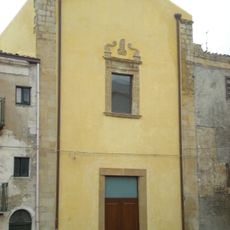
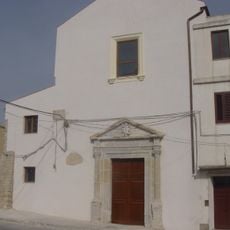
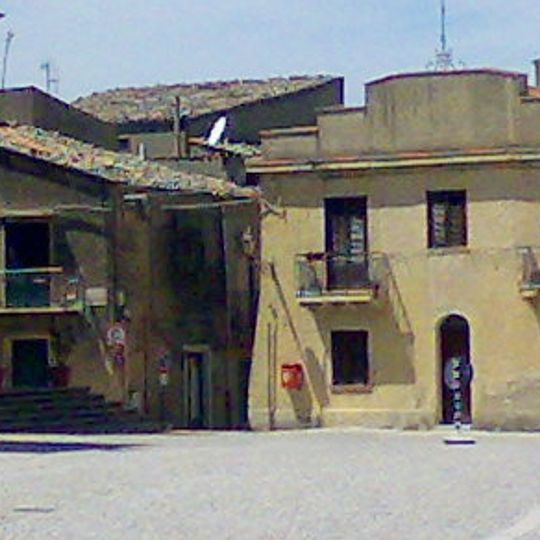
Palazzo Adriano is a small commune in the Monti Sicani area with roots spanning several centuries and numerous preserved buildings. The town features narrow streets lined with stone walls, traditional houses with simple designs, more than 30 fountains built over time, and several churches from different periods including the Santuario Maria SS. delle Grazie from the mid-1500s and Santa Maria del Lume from 1740.
The commune was founded by Albanian settlers in the 16th century who brought their religious and cultural traditions, establishing several churches. Over the centuries, it developed into an important regional center with construction of fountains, public buildings like Palazzo Municipale around 1850, and a railway station in the 1920s.
The town reflects its Albanian settler heritage from the 16th century, visible in churches like Maria SS. del Carmelo built by these communities. Local festivals, traditional crafts such as pottery and weaving, and small religious shrines along the streets show how residents maintain connection to their past through daily customs and celebrations.
The town is easily accessible by car or regional buses and sits close to main roads in the region. Visitors should plan time for leisurely walks through narrow streets and visit the information center in Palazzo Municipale at Piazza Umberto I, where friendly locals are willing to give directions and share details about local events and the town's history.
The town served as a filming location for the Oscar-winning film 'Nuovo Cinema Paradiso', a detail documented in its Museum of Cinema with original items from the production. This unexpected connection to film history makes it a place where visitors can discover both local traditions and a hidden link to international cinema.
The community of curious travelers
AroundUs brings together thousands of curated places, local tips, and hidden gems, enriched daily by 91,882 contributors worldwide.