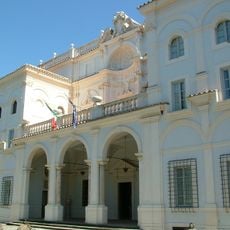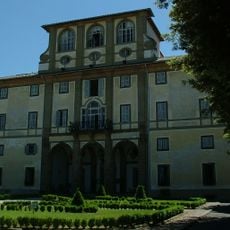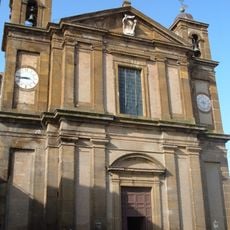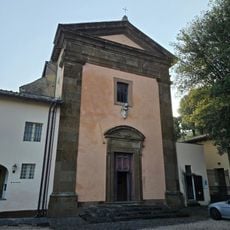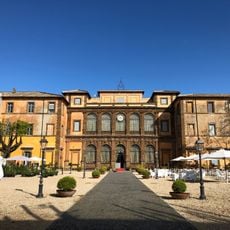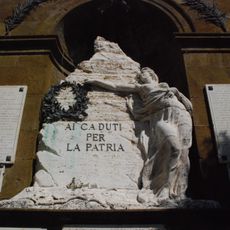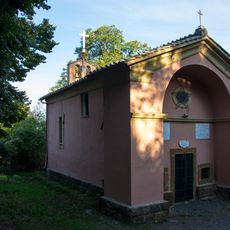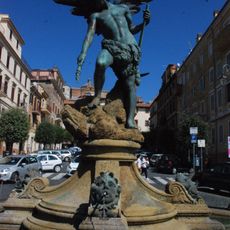
Tusculum, Ancient archaeological site in Frascati, Italy.
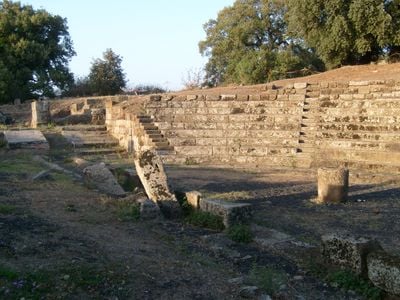
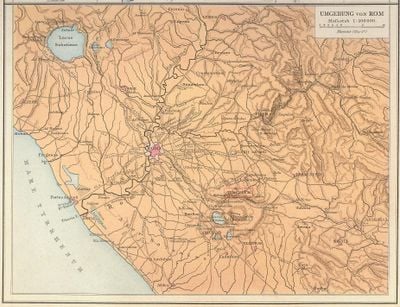
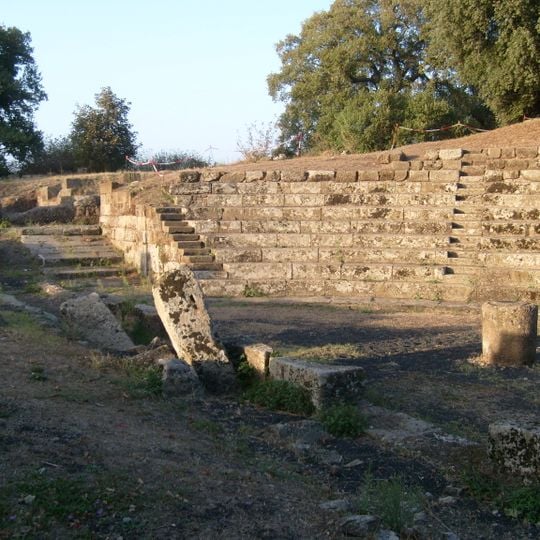
Tusculum is an ancient city ruin on a hilltop near Frascati, with remains including forum, theater and multilayered wall circuits. The site extends across four municipal boundaries and shows residential quarters beside public buildings along terraced slopes.
Tusculum began as a Latin settlement with occupation dating to the 10th century BC and funerary urns from the 8th–7th centuries BC. In 381 BC it became Rome's first municipium cum suffragio. After five centuries of abandonment it revived in the 10th century under the Counts of Tusculum, and in 1191 the Commune of Rome destroyed it, after which the site was definitively abandoned.
The name comes from early Latin times and marks a settlement on a commanding hill above the plain. Visitors today can trace the layout of public spaces showing how Roman citizens moved between theater, marketplace and temples.
Guided visits take place between June and September, with marked paths leading through the grounds. Sturdy footwear is advisable because of uneven terrain and inclines across the sprawling area.
Most of the ancient city, including the acropolis and amphitheatre, has never been excavated, so the visible remains are only part of the site. Excavation has identified the first stable settlement on the acropolis, dated to the 10th century BC, while the city walls visible on the north slope were built between the 5th and 4th centuries BC.
The community of curious travelers
AroundUs brings together thousands of curated places, local tips, and hidden gems, enriched daily by 94,669 contributors worldwide.