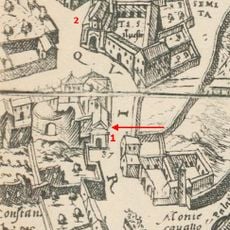
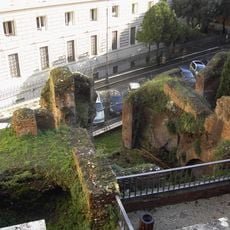
Baths of Constantine, Ancient Roman thermal complex on Quirinal Hill, Rome, Italy
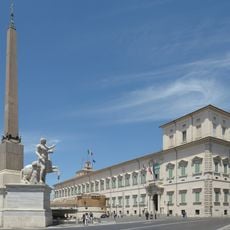
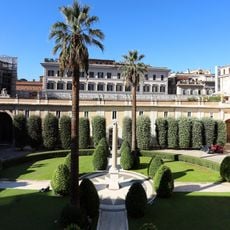
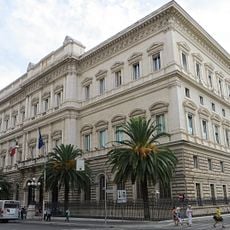
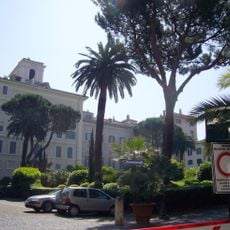
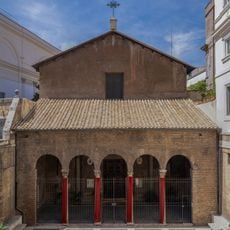
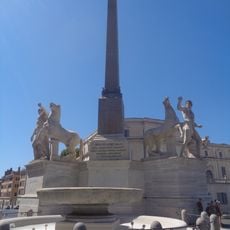
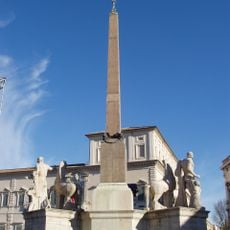
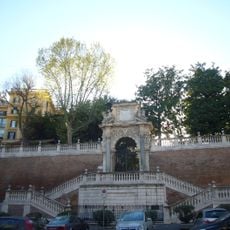
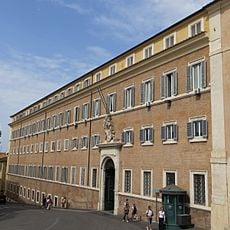
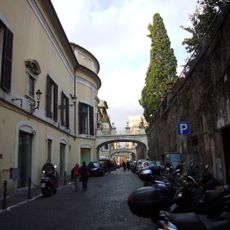
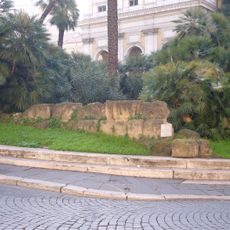
The Baths of Constantine are an ancient Roman bathing complex on the Quirinal Hill, between Via Nazionale, Largo Magnanapoli, and Piazza del Quirinale. The layout included circular tepidarium and caldarium sections, parts of which survive beneath the Casino dell'Aurora.
Emperor Constantine I had the complex built around 315 AD, demolishing existing buildings to create an artificial platform over earlier structures. It remained in use until the Gothic War in the 6th century, when the destruction of the aqueducts cut off the water supply to Rome.
Two bronze statues, a boxer and a Hellenistic prince, were found here and are now on display at the National Roman Museum. Their presence shows how Roman public baths served as places where people could encounter fine art as part of everyday life.
Most of the remains lie beneath modern buildings and the Casino dell'Aurora, so direct access to the site is limited. A visit to the National Roman Museum allows you to see the objects found here up close, which helps give a fuller picture of the original complex.
The complex was not built on natural ground but on an artificial fill that buried earlier buildings. This means that anyone standing near the Quirinal Hill today is literally several meters above the original ground level of that part of the city.
The community of curious travelers
AroundUs brings together thousands of curated places, local tips, and hidden gems, enriched daily by 91,221 contributors worldwide.