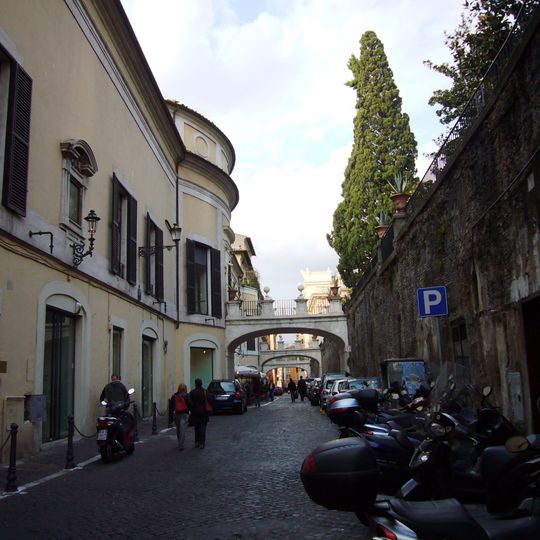
Sant'Andrea de Biberatica, Former church and Benedictine nunnery site in Trevi, Rome, Italy
Sant'Andrea de Biberatica was a church that stood at the base of Quirinal Hill in the Trevi district and functioned as a female monastery. The structure occupied a significant position in the medieval urban landscape before it was later demolished.
First documented in the Liber Pontificalis under Pope Leo III (795–816) as a church with a Benedictine nunnery. The nuns left in 1417, and the church was absent from 15th-century catalogues. In 1446 Eugene IV granted its remains to Cardinal Bessarion to enlarge his residence, later part of Palazzo Colonna; the last traces were demolished in the 16th century.
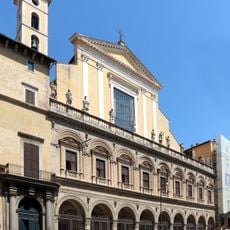
According to a tradition recorded by Mariano Armellini, the Benedictine nuns of Sant'Andrea de Biberatica cared for the lambs whose wool was woven into the pallia that popes imposed on patriarchs and archbishops. The name Biberatica itself was used in the Middle Ages for the Quirinal area around the Basilica of the Twelve Holy Apostles, and at least two other churches there, San Lorenzo de Biberatica and San Silvestro in Biberatica, shared it.
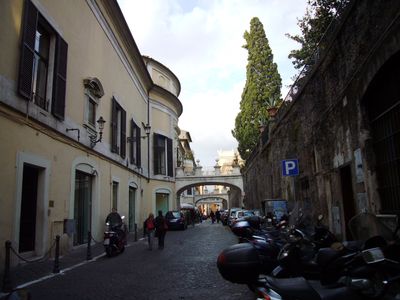
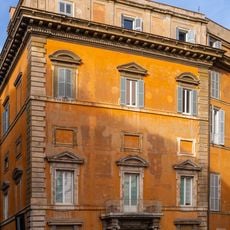
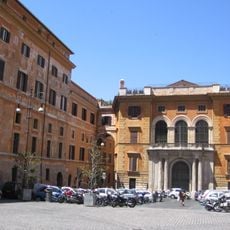
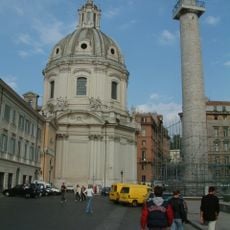
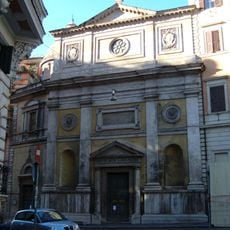
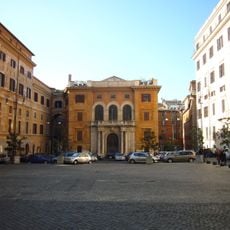
Nothing of the building remains today as it was completely demolished and the site was overlaid by later structures. Visitors interested in medieval Rome can explore the former location in the Trevi district to understand the historical geography of the city.
Gregorovius linked the name to vipers, reading it as de viperatica and imagining snakes infesting the area or an ancient carving of a serpent. Armellini and Hülsen rejected this: medieval Biberatica, from bibere, "to drink", marked the Quirinal zone around the Basilica of the Twelve Apostles because of its springs. Two other churches there shared the name: San Lorenzo de Biberatica and San Silvestro in Biberatica.
The community of curious travelers
AroundUs brings together thousands of curated places, local tips, and hidden gems, enriched daily by 92,872 contributors worldwide.