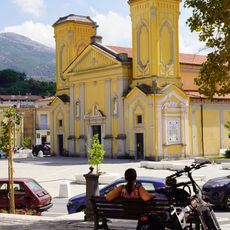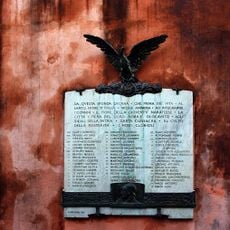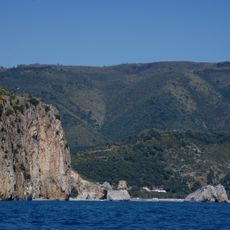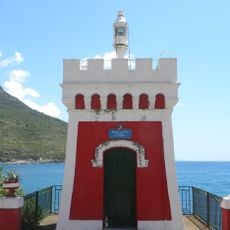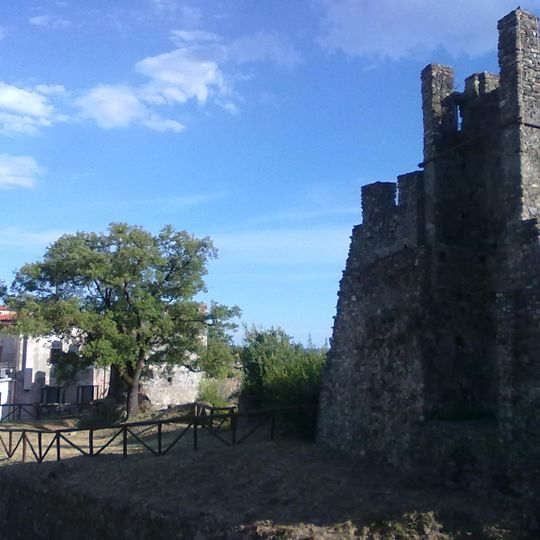
Buxentum, Archaeological site in Policastro Bussentino, Italy
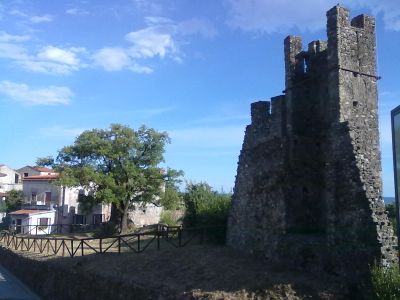
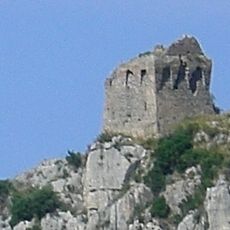
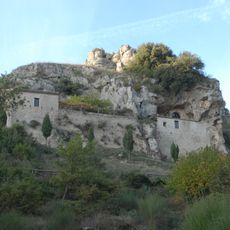
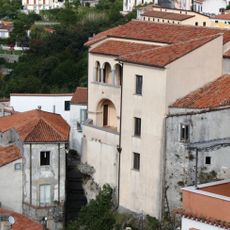
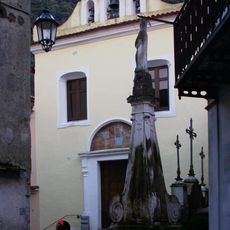
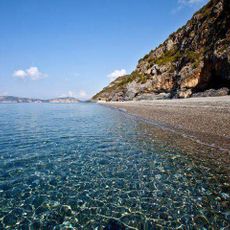
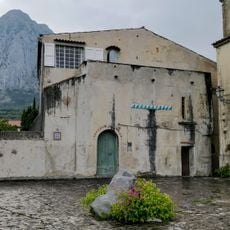
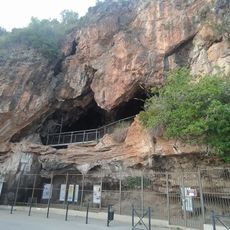
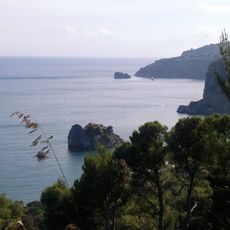
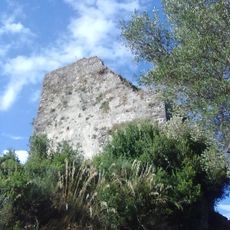
Buxentum is an ancient settlement on the Tyrrhenian coast with defensive walls and building remains near the Bussento river estuary. The visible structures show how Greek and Roman inhabitants fortified and developed this coastal location.
The settlement was founded in 471 BC by Mikythos of Rhegion as a Greek colony. It later became part of the Roman world, transforming into a Roman settlement around 194 BC.
The name comes from the Greek word 'pixous', referring to boxwood trees that grew abundantly in the area. These plants shaped how locals understood their surroundings and remain part of the region's identity.
The site is accessible via Policastro railway station, which connects to major cities like Rome and Reggio Calabria. Wear sturdy shoes as the ground is uneven and partly overgrown with local vegetation.
A Norman castle from the 11th century sits on the site, built on top of earlier fortifications. The Arab geographer Al Idrisi documented these older structures in his writings before the castle was constructed.
The community of curious travelers
AroundUs brings together thousands of curated places, local tips, and hidden gems, enriched daily by 92,751 contributors worldwide.